


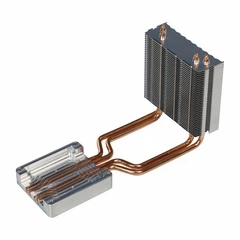
Hey there! As a supplier of water - cooled plate assemblies, I often get asked about the weight of these components. It's a pretty important question, especially when you're looking at applications where weight matters, like in automotive or aerospace industries.
First off, let's talk about what water - cooled plate assemblies are. They're basically heat exchangers that use water to transfer heat away from a source, like an electronic component or a battery. The water circulates through channels in the plate, absorbing the heat and carrying it to a cooler area where it can be dissipated.
The weight of water - cooled plate assemblies can vary quite a bit. There are several factors that influence this weight, and understanding them can help you choose the right assembly for your needs.
Material
One of the biggest factors affecting the weight is the material used to make the plate. Common materials include aluminum, copper, and stainless steel.


Aluminum is a popular choice because it's lightweight and has good thermal conductivity. It's about one - third the density of copper. For example, if you have a small water - cooled plate made of aluminum, it might weigh only a few hundred grams. On the other hand, copper is a great conductor of heat, but it's much heavier. A copper plate of the same size as an aluminum one could be two or three times heavier. Stainless steel is also used sometimes, especially when corrosion resistance is a priority. However, it's denser than aluminum, so stainless - steel water - cooled plates tend to be heavier too.
Size and Design
The size of the water - cooled plate assembly plays a huge role in its weight. Obviously, a larger plate will weigh more than a smaller one. But it's not just about the overall dimensions. The design of the channels inside the plate also matters. Plates with more complex channel designs might require more material to manufacture, which can increase the weight.
For instance, some water - cooled plates have a simple straight - channel design, while others have a serpentine or honeycomb pattern. The more intricate the pattern, the more material is needed to form the channels, and thus the heavier the plate.
Application - Specific Requirements
The application for which the water - cooled plate is intended also affects its weight. In the automotive industry, every gram counts, especially in electric vehicles (EVs). Manufacturers are constantly looking for ways to reduce the weight of components to improve the vehicle's range and performance. So, automotive water - cooled plates are often designed to be as lightweight as possible without sacrificing too much in terms of heat - transfer efficiency.
On the other hand, in industrial applications where weight is less of a concern, water - cooled plates can be more robust and heavier. They might be designed to handle higher heat loads, so they can be made with thicker materials and more complex designs.
Weight in Different Applications
Automotive
In the automotive world, water - cooled plates are used in various parts of the vehicle. One important application is in the Automotive Controller Water Cooling Plate. These plates help keep the electronic controllers cool, ensuring their proper functioning. Since weight is a critical factor in cars, especially in EVs, automotive manufacturers are always looking for lightweight solutions. Aluminum is the go - to material for most automotive water - cooled plates. The weight of an automotive controller water - cooling plate can range from a few hundred grams to a couple of kilograms, depending on the size and complexity of the design.
Another application in the automotive industry is the Automobile Car Drainage Raditor. Radiators are essential for keeping the engine cool. They are typically made of aluminum or copper. Aluminum radiators are lighter and are becoming more common in modern cars. A typical car radiator might weigh anywhere from 5 to 15 kilograms, depending on the make and model of the vehicle.
Energy Storage
In the energy storage sector, water - cooled plates are used to cool batteries. The Cavity - type Energy Storage Battery Water Cooling Plate is designed to maintain the optimal temperature of the batteries, which is crucial for their performance and lifespan. The weight of these plates can vary depending on the size of the battery pack they are designed to cool. Smaller battery packs might have water - cooled plates that weigh a few kilograms, while larger industrial - scale battery systems could have plates that weigh tens of kilograms.
Why Weight Matters
The weight of water - cooled plate assemblies isn't just a random number. It has real - world implications for the performance and efficiency of the systems they are used in.
In automotive applications, a lighter water - cooled plate means less overall vehicle weight. This can lead to better fuel efficiency (in traditional cars) or longer range (in EVs). It also reduces the load on the suspension and braking systems, which can improve the vehicle's handling and safety.
In energy storage systems, lighter water - cooled plates can make the battery packs more portable and easier to install. They also reduce the energy required to move or support the battery system, which can improve the overall efficiency of the energy storage setup.
Conclusion
So, as you can see, the weight of water - cooled plate assemblies can vary widely depending on factors like material, size, design, and application. Whether you're in the automotive, energy storage, or any other industry that uses these components, it's important to consider the weight when making your selection.
If you're in the market for high - quality water - cooled plate assemblies and want to discuss the weight and other specifications that are right for your application, I'd love to have a chat. Feel free to reach out to start a procurement discussion. We can work together to find the perfect solution for your needs.
References
- "Thermal Management in Electronic Systems" by some engineering expert
- "Automotive Cooling Systems: Design and Performance" by an automotive engineer
- "Energy Storage Technologies and Applications" by an energy researcher