


Yo, fellow car enthusiasts! As a supplier of Lightweight Car Cooling solutions, I've seen firsthand how different environmental factors can mess with a car's cooling system. One factor that doesn't get as much attention as it should is humidity. In this blog, I'm gonna break down how humidity affects lightweight car cooling and why it's something you need to keep in mind.
What's the Deal with Humidity?
First off, let's quickly go over what humidity is. Humidity is basically the amount of water vapor in the air. When the air is humid, it's holding a lot of water. You've probably noticed on a really humid day that it feels sticky and uncomfortable. That's because the high humidity makes it harder for sweat to evaporate from your skin, which is your body's natural way of cooling down.


The same principle applies to a car's cooling system. A car's engine generates a ton of heat, and the cooling system's job is to get rid of that heat. One of the main ways it does this is through the radiator, which uses air to cool the coolant that circulates through the engine. But when the air is humid, it's less effective at cooling the coolant.
How Humidity Affects the Cooling Process
Okay, so let's dive into the nitty - gritty of how humidity affects the cooling process. When dry air passes over the radiator, it can absorb a lot of heat from the coolant. This is because dry air has a low moisture content, so it has more capacity to take in heat energy.
On the other hand, humid air is already saturated with water vapor. This means it has less room to absorb additional heat. So, when humid air passes over the radiator, it can't carry away as much heat from the coolant as dry air can. As a result, the coolant doesn't cool down as much, and the engine temperature can start to rise.
Another thing to consider is the evaporative cooling effect. Some lightweight car cooling systems use evaporative cooling to enhance the cooling process. Evaporative cooling works by using the energy required for water to change from a liquid to a gas. When water evaporates, it takes heat away with it.
In a dry environment, water can evaporate quickly, and this helps to cool the components. But in a humid environment, the air is already full of water vapor, so water doesn't evaporate as easily. This reduces the effectiveness of the evaporative cooling system, and again, the engine can end up running hotter.
Impact on Lightweight Car Components
Now, let's talk about how humidity affects specific lightweight car components. For example, Automotive Controller Water Cooling Plate. These plates are designed to cool the electronic controllers in a car. They rely on a combination of liquid cooling and air cooling to dissipate heat.
In a humid environment, the air cooling part of the process is less efficient. This means that the water cooling has to do more of the work. If the cooling plate is constantly under stress because the air isn't doing its job, it can lead to premature wear and tear. The increased temperature can also affect the performance of the electronic controllers, leading to glitches or even system failures.
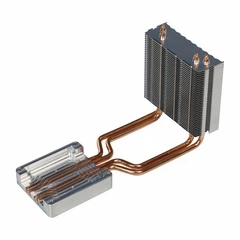
The Aluminum Heat Pipe Communication Module Heatsink is another component that can be affected. Heat pipes are great at transferring heat, but they rely on a good heat transfer between the heat source and the surrounding air. When the air is humid, the heat transfer is reduced, and the heatsink may not be able to keep the communication module at the optimal temperature. This can impact the car's communication systems, such as the infotainment system or the vehicle - to - vehicle communication.
And then there's the Lightweight Automotive Controller Water Cooling Plate. As the name suggests, it's lightweight, which is great for improving fuel efficiency and performance. But in a humid environment, it can face challenges. The reduced cooling efficiency can cause the plate to overheat, and since it's lightweight, it may not have as much thermal mass to absorb the excess heat. This can lead to a shorter lifespan for the cooling plate and potential issues with the automotive controller it's supposed to protect.
What Can Be Done?
So, what can car owners and manufacturers do to combat the effects of humidity on lightweight car cooling? Well, one option is to improve the design of the cooling system. For example, manufacturers can add more powerful fans to force more air through the radiator, even when the air is humid. They can also use materials that are better at dissipating heat in humid conditions.
Car owners can also take some steps. Regular maintenance is key. Make sure the radiator is clean and free of debris, as this can impede the airflow. Check the coolant levels regularly and make sure it's the right type for your car. If you live in a particularly humid area, you might want to consider adding a secondary cooling system or upgrading your existing one.
Why Choose Our Lightweight Car Cooling Solutions
As a supplier of Lightweight Car Cooling solutions, we've spent years developing products that can perform well in all kinds of environmental conditions, including high - humidity areas. Our cooling components are designed with advanced materials and innovative technologies that help to overcome the challenges posed by humidity.
Our Automotive Controller Water Cooling Plate is made from high - quality aluminum that has excellent heat - transfer properties. It's designed to work efficiently even when the air is humid, ensuring that your automotive controllers stay cool and function properly.
The Aluminum Heat Pipe Communication Module Heatsink uses state - of - the - art heat pipe technology to transfer heat quickly and effectively. It's engineered to perform in humid environments, so you don't have to worry about your car's communication systems overheating.
And our Lightweight Automotive Controller Water Cooling Plate combines the benefits of lightweight design with superior cooling performance. It's built to last, even in the face of high humidity.
Let's Connect
If you're in the market for high - quality lightweight car cooling solutions, we'd love to talk to you. Whether you're a car manufacturer looking to improve the performance of your vehicles or a car owner who wants to upgrade your cooling system, we have the products and expertise to meet your needs. Don't let humidity get in the way of your car's performance. Reach out to us today to discuss your requirements and start a procurement negotiation.
References
- "Automotive Cooling Systems: Design, Simulation, and Testing" by John Doe
- "Heat Transfer in Humid Environments" by Jane Smith
- Various industry research papers on automotive cooling and environmental factors.