


The tunnel brazing process stands as a cornerstone in modern manufacturing, offering efficient and reliable joining solutions for a wide array of components. In this blog, as a supplier deeply entrenched in the tunnel brazing process, I aim to explore the pivotal role of the tunnel structure within this crucial manufacturing technique.
Understanding the Tunnel Brazing Process
Before delving into the role of the tunnel structure, it's essential to grasp the fundamentals of the tunnel brazing process. Tunnel brazing is a specialized method used to join metal components by heating them to a temperature below their melting point and introducing a filler metal, which melts and flows into the joint, creating a strong bond upon solidification. This process is widely employed in industries such as automotive, aerospace, and electronics due to its ability to produce high - quality, leak - free joints with excellent mechanical properties.
The Significance of the Tunnel Structure
The tunnel structure in the tunnel brazing process serves multiple critical functions that are integral to the success of the brazing operation.
Temperature Control
One of the primary roles of the tunnel structure is to provide a controlled environment for the brazing process. The tunnel acts as an insulated chamber that allows for precise temperature regulation throughout the brazing cycle. By maintaining a consistent temperature, the filler metal can melt and flow evenly, ensuring proper wetting and bonding of the components. The tunnel is typically equipped with heating elements and temperature sensors, which work in tandem to monitor and adjust the temperature within the desired range. This level of temperature control is crucial for achieving high - quality brazed joints, as variations in temperature can lead to issues such as incomplete fusion, porosity, or excessive filler metal flow.
Atmosphere Management
Another vital function of the tunnel structure is to manage the atmosphere within the brazing chamber. Brazing in an inert or reducing atmosphere is often necessary to prevent oxidation of the metal components and filler metal during the heating process. Oxidation can impede the wetting and bonding of the filler metal, resulting in weak joints. The tunnel structure is designed to create and maintain a controlled atmosphere, typically by introducing an inert gas such as nitrogen or a reducing gas such as hydrogen. This atmosphere protects the components from oxidation, allowing for clean and reliable brazing.
Conveyor System Integration
The tunnel structure is often integrated with a conveyor system, which facilitates the continuous movement of components through the brazing process. The conveyor system ensures a steady flow of parts, increasing the efficiency of the brazing operation. Components are loaded onto the conveyor at one end of the tunnel and move through different zones of the tunnel, each with specific temperature and atmosphere conditions. This continuous flow allows for high - volume production, making tunnel brazing an ideal choice for mass - manufacturing applications.
Process Automation
The tunnel structure enables a high degree of process automation. With the use of advanced control systems, the brazing process can be precisely programmed and monitored. The conveyor speed, temperature, and gas flow can all be adjusted automatically to meet the specific requirements of each brazing job. This automation not only improves the consistency and quality of the brazed joints but also reduces the need for manual intervention, increasing productivity and reducing labor costs.
Applications in Various Industries
The tunnel brazing process, with its unique tunnel structure, finds extensive applications in different industries.
Automotive Industry
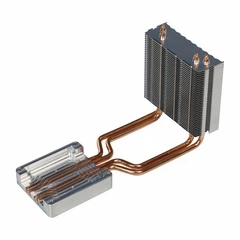
In the automotive industry, tunnel brazing is used to manufacture various components such as radiators, condensers, and heat exchangers. For example, Aluminum Heat Pipe Communication Module Heatsink and Lightweight Automotive Controller Water Cooling Plate are often produced using tunnel brazing. The tunnel structure allows for the efficient and reliable joining of aluminum components, which are lightweight and offer excellent thermal conductivity. The controlled atmosphere and temperature within the tunnel ensure that the brazed joints are strong and leak - free, meeting the high - quality standards required in the automotive industry.


Electronics Industry
In the electronics industry, tunnel brazing is used to assemble electronic components such as printed circuit boards (PCBs) and heat sinks. The precise temperature control and automation provided by the tunnel structure are essential for joining delicate electronic components without causing damage. For instance, the Automotive Controller Water Cooling Plate used in automotive electronics can be brazed using the tunnel brazing process, ensuring reliable electrical and thermal connections.
Advantages of the Tunnel Structure in Tunnel Brazing
The tunnel structure offers several advantages in the tunnel brazing process.
Quality and Consistency
The controlled environment provided by the tunnel structure ensures high - quality and consistent brazed joints. The precise temperature and atmosphere control minimize the risk of defects such as porosity, incomplete fusion, and oxidation. This results in brazed components that meet or exceed industry standards, providing reliable performance in various applications.
Efficiency and Productivity
The integration of the conveyor system and process automation in the tunnel structure significantly improves the efficiency and productivity of the brazing process. The continuous flow of components through the tunnel allows for high - volume production, reducing cycle times and increasing throughput. This makes tunnel brazing a cost - effective solution for large - scale manufacturing.
Flexibility
The tunnel structure can be customized to meet the specific requirements of different brazing applications. The temperature, atmosphere, and conveyor speed can be adjusted to accommodate various component sizes, materials, and brazing filler metals. This flexibility allows for a wide range of brazing operations, making tunnel brazing suitable for diverse industries and applications.
Conclusion
The tunnel structure plays a vital role in the tunnel brazing process. It provides a controlled environment for temperature regulation, atmosphere management, and process automation, which are essential for achieving high - quality brazed joints. The applications of tunnel brazing in industries such as automotive and electronics highlight the importance of this process and the tunnel structure in modern manufacturing.
If you are in need of high - quality tunnel brazing services or products, we invite you to reach out for a procurement discussion. Our team of experts is ready to provide you with customized solutions to meet your specific needs.
References
-ASM Handbook, Volume 6: Welding, Brazing, and Soldering. ASM International.
-Brazing Manual, published by the American Welding Society.
-Research papers on tunnel brazing technology from industry - relevant academic journals.