


As a supplier of aluminum automotive radiators, I've seen firsthand how the tube and fin design can make or break a radiator's performance. It's not just about slapping some tubes and fins together; it's a delicate dance of engineering and design that can have a huge impact on how well your engine stays cool. So, let's dive into what the tube and fin design means for an aluminum automotive radiator.
The Basics of Tube and Fin Design
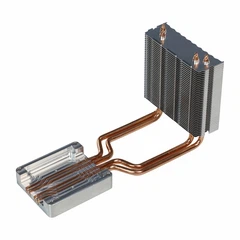
First off, let's talk about what we're dealing with here. Tubes are the pathways for the coolant to flow through the radiator. They're like the veins in your body, carrying the life - giving fluid that keeps your engine from overheating. Fins, on the other hand, are the thin, flat pieces that are attached to the tubes. Their job is to increase the surface area of the radiator, which helps in dissipating heat more effectively.
When it comes to aluminum automotive radiators, the tube and fin design is crucial. Aluminum is a great material because it's lightweight and has excellent thermal conductivity. But if the tube and fin design isn't right, all those benefits can go out the window.
Impact on Heat Transfer
One of the most significant impacts of the tube and fin design is on heat transfer. The efficiency of heat transfer is what determines how well your radiator can cool your engine. A well - designed tube and fin setup can significantly improve this efficiency.
For example, if the tubes are too small, the coolant flow might be restricted, and heat won't be carried away as effectively. On the other hand, if the tubes are too large, there might not be enough surface area for the heat to transfer from the coolant to the fins. The fins also play a big role. If they're too closely spaced, air might have a hard time flowing through, reducing the radiator's ability to dissipate heat. But if they're too far apart, there won't be enough surface area for heat transfer.
Let's say you've got an engine that's working hard, generating a lot of heat. A radiator with an optimized tube and fin design will be able to transfer that heat to the surrounding air much more quickly. This means your engine stays at a safe operating temperature, which is essential for its long - term health and performance.
Impact on Weight
Another important factor is weight. As an aluminum automotive radiator supplier, I know that weight is a big deal in the automotive industry. Lighter vehicles are more fuel - efficient and have better handling. The tube and fin design can have a significant impact on the weight of the radiator.
Aluminum is already a lightweight material, but the way the tubes and fins are designed can make it even lighter. For example, using thinner tubes and fins can reduce the overall weight of the radiator without sacrificing too much in terms of performance. Some modern designs use advanced manufacturing techniques to create tubes and fins that are both lightweight and strong.
This is where our Lightweight Automotive Controller Water Cooling Plate comes in. It's designed with a tube and fin setup that maximizes heat transfer while keeping the weight down. This is great for automotive manufacturers who are looking to improve the fuel efficiency of their vehicles.
Impact on Durability
Durability is also a key consideration. Your radiator has to withstand a lot of stress, including high temperatures, vibrations, and pressure. The tube and fin design can affect how well the radiator holds up over time.
If the tubes are made of a high - quality aluminum alloy and are properly reinforced, they're less likely to crack or leak. The fins also need to be firmly attached to the tubes to prevent them from coming loose. A well - designed tube and fin structure can help the radiator resist corrosion and other forms of damage.
Our Automotive Controller Water Cooling Plate is built with durability in mind. The tube and fin design is engineered to handle the rigors of daily use, ensuring that your radiator lasts for a long time.
Impact on Cost
Cost is always a factor in any automotive component. The tube and fin design can have a big impact on the cost of manufacturing an aluminum automotive radiator.
If the design is simple and easy to manufacture, it can reduce production costs. For example, using standard tube sizes and fin patterns can make the manufacturing process more efficient. On the other hand, a complex design with custom - made tubes and fins can be more expensive to produce.
However, it's important to balance cost with performance. A slightly more expensive radiator with a better tube and fin design might save you money in the long run by reducing maintenance costs and improving engine performance.


Impact on Airflow
Airflow is crucial for the proper functioning of a radiator. The tube and fin design can either help or hinder the flow of air through the radiator.
If the fins are designed in a way that allows air to flow smoothly through them, the radiator will be more efficient at dissipating heat. Some fin designs have special shapes or patterns that help to direct the airflow and increase the contact between the air and the fins.
For energy - storage applications, our Cavity - type Energy Storage Battery Water Cooling Plate has a tube and fin design that is optimized for airflow. This ensures that the battery stays cool, which is essential for its performance and longevity.
Conclusion
In conclusion, the tube and fin design has a profound impact on an aluminum automotive radiator. It affects heat transfer, weight, durability, cost, and airflow. As a supplier, we understand the importance of getting the tube and fin design right. We offer a range of products, like the ones mentioned above, that are designed to meet the diverse needs of the automotive industry.
If you're in the market for an aluminum automotive radiator or any of our related products, we'd love to have a chat with you. Whether you're an automotive manufacturer looking to improve the performance of your vehicles or a repair shop in need of high - quality radiators, we've got you covered. Reach out to us for a detailed discussion on how our tube and fin designs can benefit your specific application.
References
- "Automotive Cooling Systems: Design and Development" by J. A. Turner
- "Heat Transfer in Automotive Radiators" by R. K. Shah
- "Aluminum Alloys for Automotive Applications" by W. H. Boyer