


A coolant leak in a cooling system is a common but often frustrating issue for vehicle owners and operators of various machinery. As a trusted provider of Cooling System Components, I've witnessed firsthand the impact these leaks can have on performance and reliability. In this blog, I'll delve into the common causes of coolant leaks, offering insights to help you diagnose and address these problems effectively.
1. Damaged Hoses
One of the most prevalent causes of coolant leaks is damaged hoses. Over time, the rubber or silicone hoses in a cooling system can deteriorate due to exposure to high temperatures, chemicals, and vibrations. Cracks, splits, or holes can develop, allowing coolant to escape.


- Age and Wear: As hoses age, the materials break down, becoming brittle and more prone to damage. This is especially true in vehicles or equipment that are frequently used or exposed to harsh conditions. For example, a car that is driven in extreme heat or cold may experience accelerated hose degradation.
- Improper Installation: If hoses are not installed correctly, they can be subject to excessive stress, which can lead to premature wear and leaks. This includes improper routing, tight bends, or over - tightening of hose clamps.
Regular inspection of hoses is crucial. Look for signs of cracking, swelling, or softening. If you notice any damage, it's important to replace the hose promptly. At our company, we offer a wide range of high - quality hoses designed to withstand the rigors of the cooling system. You can find more information about our products on our website, including the Automotive Controller Water Cooling Plate, which is an essential part of many modern cooling systems.
2. Faulty Radiator
The radiator is a key component of the cooling system, responsible for dissipating heat from the coolant. A faulty radiator can be a major source of coolant leaks.
- Corrosion: Radiators are often made of metal, such as aluminum or copper, which can corrode over time. Corrosion can be caused by a variety of factors, including the presence of contaminants in the coolant, improper coolant mixture, or exposure to harsh environmental conditions. For instance, if the coolant is not changed regularly, it can become acidic, leading to corrosion of the radiator fins and tubes.
- Physical Damage: The radiator can also be damaged by physical impacts, such as a collision or debris hitting the front of the vehicle. This can cause dents, holes, or cracks in the radiator, allowing coolant to leak out.
If you suspect a radiator leak, you may notice coolant pooling under the vehicle or a decrease in coolant level. In some cases, you may also see steam coming from the radiator. Our company offers a reliable Automobile Car Drainage Raditor that is designed to resist corrosion and provide efficient cooling.
3. Worn Gaskets and Seals
Gaskets and seals are used to prevent coolant from leaking out of various components in the cooling system, such as the radiator, water pump, and engine block. Over time, these gaskets and seals can wear out or become damaged.
- Compression Loss: As the engine heats up and cools down, the gaskets and seals are subjected to repeated expansion and contraction. This can cause them to lose their compression, leading to leaks.
- Chemical Breakdown: Coolant contains chemicals that can break down the materials used in gaskets and seals over time. This is especially true if the coolant is not compatible with the gaskets and seals.
Inspecting gaskets and seals for signs of wear, such as leaks, cracks, or deformation, is important. If a gasket or seal is damaged, it should be replaced immediately. Our Cooling System Components include high - quality gaskets and seals that are designed to provide a reliable seal and resist chemical breakdown.
4. Defective Water Pump
The water pump is responsible for circulating the coolant through the cooling system. A defective water pump can cause coolant leaks.
- Seal Failure: The water pump has a seal that prevents coolant from leaking out of the pump housing. If this seal fails, coolant can leak out, often dripping from the bottom of the water pump.
- Bearing Wear: The bearings in the water pump can wear out over time, causing the pump to vibrate excessively. This vibration can damage the seal and other components of the water pump, leading to leaks.
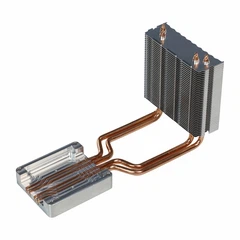
If you notice coolant leaking from the water pump or hear a whining or grinding noise coming from the pump, it may be a sign of a problem. Our company offers durable water pumps and related components to ensure proper coolant circulation in the cooling system. You can also explore our Aluminum Heat Pipe Communication Module Heatsink, which can work in conjunction with the water pump to enhance cooling efficiency.
5. Cracked Engine Block or Cylinder Head
A cracked engine block or cylinder head is a serious issue that can cause coolant leaks.
- Overheating: If the engine overheats, the extreme temperatures can cause the engine block or cylinder head to crack. This can happen due to a variety of reasons, such as a malfunctioning cooling system, low coolant level, or a faulty thermostat.
- Freezing: In cold climates, if the coolant does not have the proper antifreeze mixture, it can freeze. The expansion of the freezing coolant can cause the engine block or cylinder head to crack.
Detecting a cracked engine block or cylinder head can be difficult, as the cracks may be small or hidden. However, if you notice coolant mixing with the engine oil, white smoke coming from the exhaust, or a significant loss of coolant, it may be a sign of a crack. Repairing a cracked engine block or cylinder head can be expensive, but in some cases, it may be possible to use a sealant or perform a more extensive repair. Our company can provide guidance and high - quality components to assist in the repair process.
6. Loose or Damaged Fittings
Fittings are used to connect various components in the cooling system, such as hoses, radiators, and water pumps. Loose or damaged fittings can cause coolant leaks.
- Vibration: The constant vibration of the engine and other components can cause fittings to loosen over time. This is especially true if the fittings are not properly tightened during installation.
- Corrosion: Corrosion can also affect fittings, causing them to become brittle and break. This can lead to coolant leaks at the connection points.
Regularly checking the tightness of fittings and inspecting them for signs of corrosion or damage is important. If a fitting is loose, it should be tightened, and if it is damaged, it should be replaced.
Conclusion
Coolant leaks in a cooling system can be caused by a variety of factors, including damaged hoses, faulty radiators, worn gaskets and seals, defective water pumps, cracked engine blocks or cylinder heads, and loose or damaged fittings. By understanding these common causes, you can take proactive steps to prevent coolant leaks and ensure the proper functioning of your cooling system.
As a leading provider of Cooling System Components, we are committed to offering high - quality products that meet the needs of our customers. Whether you need hoses, radiators, gaskets, water pumps, or other components, we have the expertise and products to help you keep your cooling system in top condition.
If you are interested in learning more about our products or have any questions about coolant leaks or cooling system maintenance, please feel free to contact us. We look forward to discussing your requirements and helping you find the best solutions for your cooling system needs.
References
- Chilton's Auto Repair Manuals
- Haynes Repair Manuals
- Automotive Cooling System Design and Analysis textbooks