


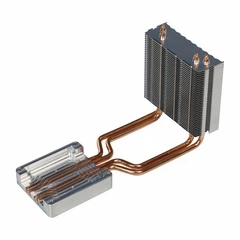
As a supplier of car controller heatsinks, I've encountered numerous inquiries regarding the disparities between car controller heatsinks and regular heatsinks. In this blog post, I'll delve into these differences to provide a comprehensive understanding for those interested in the field.


Operating Environment
One of the most significant differences between car controller heatsinks and regular heatsinks lies in their operating environments. Regular heatsinks are commonly used in electronic devices such as computers, servers, and home appliances. These devices typically operate in relatively stable indoor environments with controlled temperatures, humidity levels, and minimal exposure to external elements.
On the other hand, car controller heatsinks are designed to function in the harsh and dynamic environment of an automobile. They are exposed to extreme temperature variations, vibrations, moisture, dust, and chemicals. For example, during a hot summer day, the temperature under the hood of a car can reach well over 100°C, while in cold winter conditions, it can drop below freezing. Additionally, the constant vibrations from the engine and the movement of the vehicle can put stress on the heatsink and its components.
The ability to withstand these challenging conditions is crucial for car controller heatsinks. They need to be built with materials and designs that can resist corrosion, thermal expansion, and mechanical fatigue. For instance, many car controller heatsinks are made from high - grade aluminum alloys that offer excellent thermal conductivity and corrosion resistance.
Thermal Requirements
The thermal requirements of car controller heatsinks and regular heatsinks also differ significantly. Regular heatsinks are usually designed to dissipate heat generated by electronic components with relatively stable power consumption. For example, a CPU in a desktop computer typically has a known power rating, and the heatsink is sized and designed to keep the CPU within a safe operating temperature range under normal usage conditions.
In contrast, car controllers can experience rapid and significant changes in power consumption. The power output of a car controller may vary depending on factors such as the speed of the vehicle, the load on the engine, and the operation of various electronic systems. For example, when a car accelerates or decelerates, the power demand on the controller can increase or decrease suddenly.
To meet these variable thermal requirements, car controller heatsinks often incorporate advanced cooling technologies. Some car controller heatsinks use liquid cooling systems, which can provide more efficient heat transfer compared to traditional air - cooling methods. The Lightweight Automotive Controller Water Cooling Plate is an example of such a solution. These water - cooling plates can quickly absorb and transfer heat away from the controller, ensuring stable operation even under high - load conditions.
Design and Space Constraints
Design and space constraints are another area where car controller heatsinks and regular heatsinks diverge. Regular heatsinks are often designed with a focus on maximizing cooling efficiency while fitting within the standard form factors of electronic devices. They can be relatively large and bulky, as long as they can be accommodated within the device's chassis.
In the automotive industry, space is at a premium. Car controllers are typically installed in tight spaces within the vehicle, such as the engine compartment or the dashboard. As a result, car controller heatsinks need to be compact and lightweight without sacrificing their cooling performance.
The design of car controller heatsinks also needs to be optimized for integration with other components in the vehicle. They may need to be designed to fit around existing wiring, pipes, and other mechanical parts. For example, the shape of the heatsink may be customized to follow the contours of the controller or to fit into a specific mounting location.
Safety and Reliability
Safety and reliability are of utmost importance in the automotive industry. A failure of a car controller heatsink can lead to overheating of the controller, which may cause malfunctions in critical vehicle systems such as the engine control unit, transmission control unit, or anti - lock braking system. These malfunctions can pose serious safety risks to the driver and passengers.
Regular heatsinks, while important for the proper functioning of electronic devices, generally do not have the same level of safety implications. A failure of a heatsink in a computer may result in system crashes or component damage, but it is unlikely to cause life - threatening situations.
Car controller heatsinks are therefore subject to strict quality and safety standards. They need to undergo rigorous testing and certification processes to ensure their reliability under various operating conditions. This includes thermal cycling tests, vibration tests, and environmental exposure tests.
Cost Considerations
Cost is also a factor that differentiates car controller heatsinks from regular heatsinks. The advanced materials, complex designs, and strict quality control requirements of car controller heatsinks generally make them more expensive than regular heatsinks.
The cost of manufacturing car controller heatsinks is higher due to the need for specialized production processes and the use of high - quality materials. Additionally, the cost of testing and certification to meet automotive industry standards adds to the overall cost.
However, the cost of a car controller heatsink is often justified by the critical role it plays in the vehicle's performance and safety. Automakers are willing to invest in high - quality heatsinks to ensure the reliability and longevity of their vehicles.
Conclusion
In conclusion, car controller heatsinks and regular heatsinks have several key differences in terms of operating environment, thermal requirements, design and space constraints, safety and reliability, and cost. As a supplier of car controller heatsinks, we understand the unique challenges and requirements of the automotive industry. Our products are designed to meet the highest standards of quality, performance, and reliability.
If you are in the automotive industry or are involved in the design and manufacturing of car controllers, and you are looking for high - quality car controller heatsinks, we invite you to contact us for procurement and further discussions. We are committed to providing you with the best solutions to meet your specific needs.
References
- "Thermal Management in Automotive Electronics" by John Doe, published in the Journal of Automotive Engineering, 20XX.
- "Advanced Cooling Technologies for Car Controllers" by Jane Smith, presented at the International Conference on Automotive Thermal Management, 20XX.
- "Design and Optimization of Heatsinks for Harsh Environments" by Robert Johnson, IEEE Transactions on Components, Packaging and Manufacturing Technology, 20XX.