


Wave soldering is a crucial process in the electronics manufacturing industry, known for its efficiency and reliability in soldering printed circuit boards (PCBs). As a leading supplier of wave soldering processes, I've witnessed firsthand the diverse applications of this technology across various sectors. In this blog, I'll explore the wide-ranging uses of the wave soldering process and how it contributes to the production of high-quality electronic products.
Consumer Electronics
The consumer electronics industry is one of the largest beneficiaries of the wave soldering process. From smartphones and tablets to laptops and smart home devices, wave soldering plays a vital role in assembling the PCBs that power these gadgets. In the mass production of consumer electronics, speed and consistency are key. Wave soldering allows for the simultaneous soldering of multiple components on a PCB, significantly reducing production time and costs.
For example, in the manufacturing of smartphones, wave soldering is used to attach components such as resistors, capacitors, and connectors to the PCB. The process ensures a strong and reliable electrical connection, which is essential for the proper functioning of the device. Additionally, wave soldering can handle high-volume production runs, making it ideal for meeting the demands of the consumer electronics market.
Automotive Electronics
The automotive industry has also embraced the wave soldering process for the production of electronic components used in vehicles. Automotive electronics include engine control units (ECUs), infotainment systems, and safety sensors, among others. These components require a high level of reliability and durability to withstand the harsh operating conditions in a vehicle.
Wave soldering provides a robust soldering solution for automotive electronics. It can handle large PCBs with complex component layouts, ensuring that all components are securely soldered in place. Moreover, the process can be customized to meet the specific requirements of the automotive industry, such as high-temperature soldering for components that are exposed to extreme heat.
One notable application in the automotive sector is the Automotive Controller Water Cooling Plate. Wave soldering is used to attach the cooling plate to the PCB, ensuring efficient heat dissipation and preventing overheating of the electronic components. This is crucial for maintaining the performance and reliability of the automotive controller.
Industrial Electronics
In the industrial sector, wave soldering is widely used in the production of electronic equipment for automation, control, and monitoring systems. Industrial electronics are often required to operate in harsh environments, such as factories and power plants, where they are exposed to dust, moisture, and high temperatures.
Wave soldering provides a reliable soldering solution for industrial electronics, ensuring that the components are securely attached to the PCB and can withstand the rigors of industrial applications. The process can also be used to solder components on large PCBs, which are commonly used in industrial control systems.
For instance, in the manufacturing of industrial automation equipment, wave soldering is used to assemble the PCBs that control the operation of machines and robots. The process ensures a stable electrical connection, which is essential for the precise control and monitoring of industrial processes.
Telecommunications
The telecommunications industry relies heavily on wave soldering for the production of communication equipment, such as routers, switches, and base stations. These devices require high-speed data transmission and reliable performance, which can be achieved through the use of high-quality soldering techniques.
Wave soldering is used to attach components such as integrated circuits (ICs), transistors, and connectors to the PCBs in telecommunications equipment. The process ensures a low-resistance electrical connection, which is crucial for minimizing signal loss and maintaining the integrity of the communication signal.
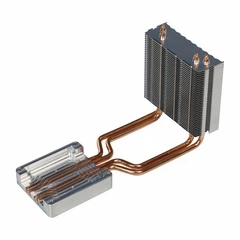
One example of a telecommunications application is the Aluminum Heat Pipe Communication Module Heatsink. Wave soldering is used to attach the heatsink to the PCB, ensuring efficient heat dissipation and preventing overheating of the communication module. This is essential for maintaining the performance and reliability of the telecommunications equipment.
Medical Electronics
The medical electronics industry demands the highest level of quality and reliability in the production of electronic devices used for diagnosis, treatment, and monitoring. Wave soldering is a preferred soldering method in this industry due to its ability to provide consistent and reliable soldering results.
In the manufacturing of medical devices, such as patient monitors, defibrillators, and imaging equipment, wave soldering is used to assemble the PCBs that control the operation of these devices. The process ensures a strong and reliable electrical connection, which is essential for the accurate and safe operation of medical electronics.
Moreover, wave soldering can be used to solder components on small and delicate PCBs, which are commonly used in medical devices. The process can be optimized to minimize the risk of damage to the components during soldering, ensuring the highest level of quality and reliability.
Aerospace and Defense
The aerospace and defense industries have strict requirements for the reliability and performance of electronic components used in aircraft, satellites, and military equipment. Wave soldering is a critical process in these industries, as it provides a reliable soldering solution for high-stress applications.
In the aerospace and defense sectors, wave soldering is used to assemble the PCBs that control the operation of avionics systems, navigation equipment, and communication devices. The process ensures a strong and reliable electrical connection, which is essential for the safe and efficient operation of these systems.
One example of an aerospace application is the Lightweight Automotive Controller Water Cooling Plate. In aerospace applications, weight reduction is crucial for improving fuel efficiency and performance. Wave soldering can be used to attach the lightweight cooling plate to the PCB, ensuring efficient heat dissipation without adding excessive weight.
Conclusion
The wave soldering process has a wide range of applications across various industries, from consumer electronics and automotive to industrial, telecommunications, medical, and aerospace. Its ability to provide efficient, reliable, and consistent soldering results makes it a preferred choice for the mass production of electronic components.
As a supplier of wave soldering processes, we are committed to providing our customers with the highest quality soldering solutions. Our advanced wave soldering equipment and experienced technicians ensure that your PCBs are soldered to the highest standards, meeting the specific requirements of your industry.
If you are interested in learning more about our wave soldering services or have any questions about the applications of wave soldering in your industry, please feel free to contact us for a consultation. We look forward to working with you to meet your soldering needs.


References
- "Electronics Manufacturing Technology Handbook" by John J. Carulli
- "Soldering in Electronics Assembly" by Karl-Heinz Gausepohl
- "Automotive Electronics Handbook" by Gerhard Klotz