


As a supplier of Circular Base LED Heat Sinks, I understand the critical role that efficient air flow plays in the performance and longevity of these heat sinks. In this blog, I will explore various ways to improve the air flow around a circular base LED heat sink, which is essential for maintaining optimal operating temperatures and ensuring the reliability of LED lighting systems.
Understanding the Importance of Air Flow in LED Heat Sinks
LEDs generate heat during operation, and if this heat is not dissipated effectively, it can lead to a decrease in luminous efficacy, color shift, and even premature failure of the LEDs. Circular base LED heat sinks are designed to absorb and transfer this heat away from the LEDs, but without proper air flow, the heat sink's efficiency can be significantly reduced.
Good air flow helps to carry away the heat absorbed by the heat sink, preventing it from building up and causing thermal stress on the LEDs. By improving the air flow around the heat sink, we can enhance its cooling performance, extend the lifespan of the LEDs, and improve the overall quality of the lighting system.
Ways to Improve Air Flow Around a Circular Base LED Heat Sink
1. Optimize the Heat Sink Design
- Fin Design: The fins on a circular base LED heat sink are crucial for increasing the surface area available for heat transfer. By designing fins with a high aspect ratio (height to width), we can maximize the contact area between the heat sink and the surrounding air. Additionally, using fins with a thin profile can reduce air resistance and improve air flow through the heat sink.
- Base Thickness: The thickness of the circular base of the heat sink can also affect air flow. A thinner base allows for better heat transfer from the LEDs to the fins, while a thicker base may impede air flow around the edges of the heat sink. It is important to find the right balance between base thickness and heat transfer efficiency.
- Spacing Between Fins: The spacing between the fins on the heat sink is another important factor to consider. If the fins are too close together, it can create a high-pressure zone that restricts air flow. On the other hand, if the fins are too far apart, the surface area available for heat transfer will be reduced. By optimizing the fin spacing, we can ensure that air can flow freely through the heat sink and carry away the heat.
2. Use a Fan or Blower
- Forced Air Cooling: One of the most effective ways to improve air flow around a circular base LED heat sink is to use a fan or blower. Forced air cooling systems can significantly increase the volume of air passing through the heat sink, enhancing its cooling performance. When selecting a fan or blower, it is important to consider factors such as air flow rate, static pressure, and noise level.
- Fan Placement: The placement of the fan or blower is also crucial for maximizing air flow. Ideally, the fan should be positioned to direct air directly onto the heat sink, ensuring that it passes through the fins and carries away the heat. Additionally, the fan should be placed in a location where it can draw in fresh, cool air from the surrounding environment.
3. Improve the Surrounding Environment
- Ventilation: Ensuring proper ventilation in the enclosure or fixture where the circular base LED heat sink is installed is essential for maintaining good air flow. By providing adequate ventilation openings, we can allow fresh air to enter the enclosure and hot air to exit, preventing the build-up of heat inside the fixture.
- Clearance: It is important to provide sufficient clearance around the heat sink to allow air to flow freely. Avoid placing the heat sink too close to other components or surfaces that may obstruct air flow. Additionally, make sure that there are no obstructions in the path of the air flow, such as cables or wiring.
4. Consider the Use of Heat Pipes
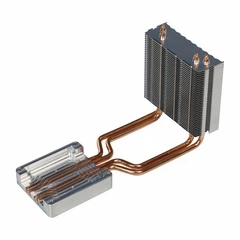
- Enhanced Heat Transfer: Heat pipes are highly efficient heat transfer devices that can significantly improve the cooling performance of a circular base LED heat sink. By using heat pipes to transfer heat from the base of the heat sink to the fins, we can increase the effective surface area available for heat transfer and improve air flow around the heat sink.
- Heat Pipe Configuration: The configuration of the heat pipes in the heat sink is also important for optimizing air flow. By using heat pipes with a parallel or perpendicular orientation to the fins, we can ensure that air can flow freely through the heat sink and carry away the heat.
Related Products
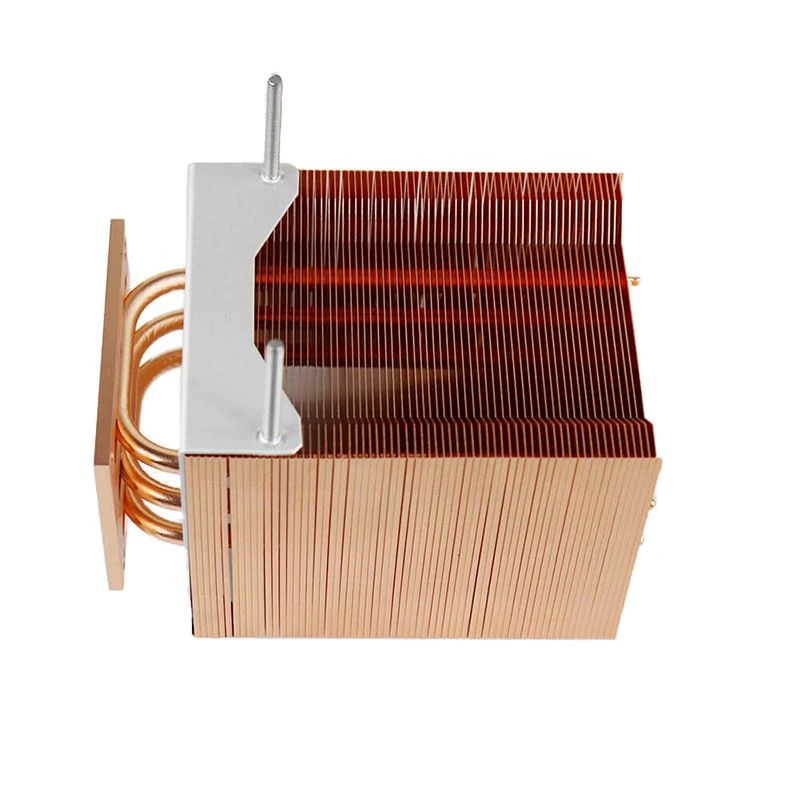
As a supplier of Circular Base LED Heat Sinks, we also offer a range of other high-quality heat sink products, including High-power Air-cooled Laser Heatsink, Semiconductor Aluminum Cooling Module Heatsink, and Pure Copper CPU/GPU Multi-Purpose Heat Sink. These products are designed to meet the diverse cooling needs of different applications and industries.

Conclusion
Improving the air flow around a circular base LED heat sink is essential for ensuring the efficient operation and longevity of LED lighting systems. By optimizing the heat sink design, using a fan or blower, improving the surrounding environment, and considering the use of heat pipes, we can enhance the cooling performance of the heat sink and provide better thermal management for the LEDs.
If you are interested in learning more about our Circular Base LED Heat Sinks or any of our other heat sink products, please feel free to contact us for a consultation. Our team of experts is dedicated to providing high-quality products and excellent customer service, and we look forward to working with you to meet your cooling needs.
References
- Incropera, F. P., & DeWitt, D. P. (2002). Fundamentals of Heat and Mass Transfer. John Wiley & Sons.
- Cengel, Y. A., & Ghajar, A. J. (2015). Heat Transfer: A Practical Approach. McGraw-Hill Education.
- ASHRAE Handbook: Fundamentals. (2017). American Society of Heating, Refrigerating and Air-Conditioning Engineers.