


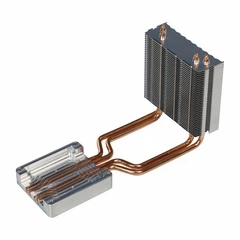
Heat pipe aluminum heat sinks are crucial components in various cooling systems, used extensively in electronics, automotive, and energy storage applications. As a heat pipe aluminum heat sink supplier, I've witnessed firsthand how the shape of these heat sinks significantly impacts their installation process. In this blog, I'll delve into the different shapes of heat pipe aluminum heat sinks and explore how they affect installation.
The Basics of Heat Pipe Aluminum Heat Sinks
Before we discuss the impact of shape on installation, let's briefly understand what heat pipe aluminum heat sinks are. Heat pipes are highly efficient heat transfer devices that use a phase - change process to move heat from a heat source to a heat sink. Aluminum is a popular material for heat sinks due to its excellent thermal conductivity, light weight, and relatively low cost.
Heat pipe aluminum heat sinks work by transferring heat from the heat source, such as a CPU or a power electronics module, to the fins of the heat sink via the heat pipes. The large surface area of the fins allows for efficient heat dissipation into the surrounding environment.
Different Shapes of Heat Pipe Aluminum Heat Sinks and Their Installation Considerations
Rectangular Heat Sinks
Rectangular heat sinks are one of the most common shapes in the industry. Their simple and regular shape makes them relatively easy to install. They are often used in applications where space is relatively straightforward, such as in standard computer cases or small - scale electronics.
When installing a rectangular heat sink, the first step is to ensure that the mounting surface on the heat source is flat and clean. This is crucial for good thermal contact between the heat source and the base of the heat sink. Most rectangular heat sinks come with pre - drilled holes or mounting tabs that align with the holes on the heat source or the mounting bracket.
The ease of alignment and the availability of standardized mounting options make rectangular heat sinks a popular choice for mass - produced electronic devices. For example, in a desktop computer, the CPU heat sink is typically rectangular, and it can be easily installed using a set of screws or clips.
However, in some cases, the size of a rectangular heat sink can be a limiting factor. If the available space is not rectangular or has irregular dimensions, a rectangular heat sink may not fit properly. This can lead to difficulties in installation and may require additional modification of the mounting area or the use of custom - made brackets.
Circular Heat Sinks
Circular heat sinks are often used in applications where a more uniform heat dissipation pattern is required, such as in some high - power LEDs or circular - shaped electronic components. The circular shape allows for a more symmetrical distribution of heat around the perimeter of the heat sink.
Installing a circular heat sink can be more challenging than a rectangular one. The circular shape means that there are no straight edges for easy alignment. Specialized mounting hardware is usually required to secure the heat sink to the heat source. This may include circular - shaped brackets or clips that can hold the heat sink firmly in place.
In addition, the circular shape may not be compatible with standard mounting holes on some circuit boards or heat sources. This can require the use of custom - drilled holes or the design of a specific mounting mechanism. For example, in a circular LED lighting fixture, the heat sink needs to be precisely centered and secured to the LED module to ensure efficient heat transfer.
Fin - Type Heat Sinks with Unique Geometries
Some heat pipe aluminum heat sinks have fin - type structures with unique geometries, such as angled fins or stepped fins. These designs are often used to enhance the heat dissipation efficiency by increasing the surface area and improving the airflow around the fins.
The installation of fin - type heat sinks with unique geometries can be quite complex. The irregular shape of the fins can make it difficult to handle the heat sink during installation. Care must be taken not to damage the delicate fins, as any deformation can reduce the heat dissipation performance.
Moreover, the unique geometries may require specific airflow patterns to work effectively. This means that the installation must be carefully planned to ensure that the heat sink is positioned in a way that allows for proper airflow. For example, in a server rack, a heat sink with angled fins needs to be installed in such a way that the airflow direction is aligned with the angle of the fins to maximize heat transfer.


Impact of Shape on Installation in Different Industries
Electronics Industry
In the electronics industry, where space is often at a premium, the shape of the heat sink can have a significant impact on the overall design and installation of electronic devices. For example, in a laptop computer, the heat sink needs to be designed to fit within the limited space available inside the chassis. A rectangular or custom - shaped heat sink may be used to optimize the use of space and ensure proper cooling of the CPU and GPU.
The installation process in the electronics industry also requires high precision. The heat sink needs to be installed in a way that minimizes the thermal resistance between the heat source and the heat sink. This often involves the use of thermal interface materials, such as thermal paste or pads, which need to be applied evenly during installation.
Automotive Industry
In the automotive industry, heat pipe aluminum heat sinks are used in various applications, including Automotive Controller Water Cooling Plate, Lightweight Automotive Controller Water Cooling Plate, and Cavity - type Energy Storage Battery Water Cooling Plate. The shape of the heat sink in automotive applications is often determined by the shape and layout of the automotive components.
Automotive heat sinks need to be designed to withstand the harsh operating conditions, including high vibrations, temperature variations, and exposure to dust and moisture. The installation process must be robust and reliable to ensure long - term performance. For example, a heat sink for an automotive controller may need to be installed using vibration - resistant mounting hardware to prevent loosening over time.
Energy Storage Industry
In the energy storage industry, such as in battery packs for electric vehicles or stationary energy storage systems, heat management is crucial to ensure the safety and performance of the batteries. Heat pipe aluminum heat sinks are used to dissipate the heat generated during the charging and discharging processes.
The shape of the heat sink in the energy storage industry is often designed to fit around the battery cells or modules. A custom - shaped heat sink may be required to ensure efficient heat transfer from the batteries to the heat sink. The installation process needs to be carefully planned to ensure that the heat sink is in close contact with the batteries and that the cooling system is properly integrated with the battery management system.
Conclusion and Call to Action
In conclusion, the shape of a heat pipe aluminum heat sink has a profound impact on its installation process. Different shapes offer different advantages in terms of heat dissipation and application suitability, but they also present various challenges during installation.
As a heat pipe aluminum heat sink supplier, we understand the importance of providing heat sinks that not only meet the thermal requirements but also are easy to install. We offer a wide range of heat sink shapes and designs to cater to the diverse needs of our customers in different industries.
If you are looking for high - quality heat pipe aluminum heat sinks for your specific application, we are here to help. Our team of experts can work with you to select the right shape and design of the heat sink and provide guidance on the installation process. Contact us today to start a procurement discussion and find the best heat sink solution for your needs.
References
- Incropera, F. P., & DeWitt, D. P. (2002). Fundamentals of Heat and Mass Transfer. Wiley.
- Kakaç, S., & Pramuanjaroenkij, A. (2005). Heat Pipes: Theory, Design, and Applications. Butterworth - Heinemann.