


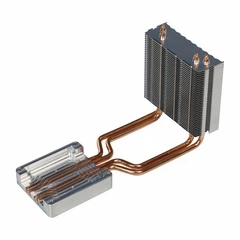
Hey there! I'm a supplier of Versatile Water Cooling Plate. Today, I wanna talk about the treatment requirements for recycled water used in these cooling plates.
First off, let's understand why recycled water is used in the first place. Using recycled water in a Versatile Water Cooling Plate is a great way to save resources and cut down on costs. But we gotta make sure the water is treated properly to keep the cooling plate working well and lasting a long time.
One of the most important treatment requirements is removing impurities. The water can have all sorts of stuff in it, like dirt, sand, and other particles. These impurities can clog up the channels in the cooling plate, reducing its efficiency. So, we need to use filtration systems to get rid of them. A simple mechanical filter can catch the larger particles, while a more advanced filter like a membrane filter can remove the really tiny ones.
Another key aspect is controlling the pH level of the water. The pH level affects the corrosion rate of the materials in the cooling plate. If the water is too acidic or too alkaline, it can cause the metal parts to corrode. We usually aim for a slightly neutral pH, around 6.5 to 7.5. To achieve this, we can add chemicals like acids or bases to adjust the pH as needed.
Microorganisms are also a big concern. Bacteria, algae, and fungi can grow in the water, forming biofilms on the surfaces of the cooling plate. These biofilms not only reduce heat transfer efficiency but can also cause blockages. To prevent this, we use biocides. There are different types of biocides available, such as chlorine - based and non - chlorine - based ones. We need to choose the right biocide depending on the specific conditions of the cooling system.
Scaling is yet another issue. Minerals like calcium and magnesium can precipitate out of the water and form scale on the cooling plate. This scale acts as an insulator, reducing heat transfer. To control scaling, we can use scale inhibitors. These chemicals prevent the minerals from forming solid deposits by keeping them in solution.
Now, let's talk about the impact of water quality on the performance of the Versatile Water Cooling Plate. If the water treatment is not up to par, the cooling plate may not be able to cool as effectively. This can lead to overheating of the equipment it's attached to, which can cause damage and reduce its lifespan. For example, in a high - tech semiconductor setup using a Semiconductor Aluminum Cooling Module Heatsink, poor water quality in the cooling plate can lead to semiconductor overheating, resulting in malfunctions.
In addition to the technical requirements, we also need to consider the environmental impact of the water treatment. We should try to use environmentally friendly chemicals and treatment methods. For instance, instead of using harsh chemicals that can be harmful to the environment, we can explore more natural alternatives or advanced treatment technologies that produce less waste.
When it comes to monitoring the water quality, we need to do it regularly. We can install sensors in the cooling system to measure parameters like pH, conductivity, and temperature. These sensors can provide real - time data, allowing us to make adjustments to the water treatment process quickly.
Moreover, proper maintenance of the water treatment equipment is essential. The filters need to be replaced regularly, and the dosing systems for chemicals need to be calibrated correctly. If the equipment is not maintained well, it won't work effectively, and the water quality will suffer.
Let's take a look at some real - world examples. In a large - scale industrial cooling system using a Versatile Water Cooling Plate, improper water treatment led to a significant decrease in cooling efficiency. The company had to shut down the system for maintenance, which cost them a lot of money in lost production. After implementing a proper water treatment plan, including better filtration, pH control, and biocide use, the cooling system's performance improved greatly.
In a lighting application with a High - Power Combined LED Heat Sink, the Versatile Water Cooling Plate was used to keep the LEDs cool. Without proper water treatment, the LEDs started to dim due to overheating. Once the water treatment was optimized, the LEDs maintained their brightness and had a longer lifespan.
To sum it up, treating recycled water for use in a Versatile Water Cooling Plate is crucial. It involves removing impurities, controlling pH, preventing microbial growth, and avoiding scaling. By following these treatment requirements, we can ensure the efficient and long - lasting performance of the cooling plate.
If you're in the market for a Versatile Water Cooling Plate or have any questions about water treatment for these plates, I'd love to talk to you. Whether you're in the semiconductor industry, the lighting industry, or any other field that needs efficient cooling solutions, we can work together to find the best fit for your needs. Reach out to me, and let's start a conversation about how we can make your cooling system work at its best.

References
- "Handbook of Industrial Water Conditioning"
- "Water Treatment for Cooling Systems"