


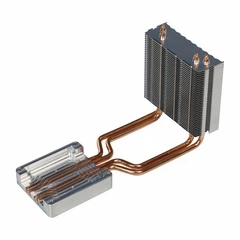
Hey there! I'm a supplier of water - cooled plate assemblies, and today I wanna chat about the environmental impacts of these things. Water - cooled plate assemblies are pretty popular in various industries, like automotive, communication, and energy storage. They're used to cool down different components and keep things running smoothly. But like everything else, they've got an impact on the environment, and it's important to understand what that is.
1. Manufacturing Phase
Let's start with the manufacturing process. Making water - cooled plate assemblies involves a bunch of steps, and each one has its own environmental footprint.
Material Extraction
Most of the time, we use metals like aluminum for these plates. Aluminum is lightweight, has good thermal conductivity, and is relatively easy to work with. But extracting aluminum from bauxite ore is a pretty energy - intensive process. It requires a ton of electricity to smelt the ore and turn it into usable aluminum. According to some studies, aluminum production accounts for a significant portion of global energy consumption in the metal industry.
Also, the mining of bauxite can have some serious environmental impacts. It can lead to deforestation, soil erosion, and water pollution. The large - scale removal of topsoil and vegetation during mining operations can disrupt local ecosystems and cause habitat loss for many plant and animal species.


Manufacturing Processes
Once we've got the raw materials, we need to shape them into water - cooled plates. This often involves processes like machining, welding, and surface treatment. Machining operations, such as milling and drilling, generate a lot of waste in the form of metal chips. These chips need to be properly disposed of or recycled, but recycling them also requires energy.
Welding can release harmful fumes and gases into the atmosphere. For example, if we're using certain types of welding fluxes, they can produce toxic substances like lead and cadmium. And surface treatment processes, like anodizing or electroplating, can use chemicals that are harmful to the environment if not managed correctly. These chemicals can contaminate water sources and soil if they're not properly treated before being discharged.
2. Use Phase
Now, let's talk about what happens when these water - cooled plate assemblies are actually in use.
Water Consumption
As the name suggests, water - cooled plate assemblies use water to transfer heat away from the components they're cooling. This means they require a continuous supply of water. In some industrial applications, the water consumption can be quite high. If the water isn't recycled or reused efficiently, it can put a strain on local water resources.
For instance, in a large - scale data center that uses water - cooled plate assemblies to cool its servers, the daily water consumption can be in the thousands of gallons. If this water is taken from a local river or groundwater source, it can lead to water shortages in the area, especially in regions where water is already scarce.
Energy Consumption
In addition to water, these assemblies also consume energy. The pumps that circulate the water through the plates need electricity to run. And in some cases, we may need to use additional equipment, like chillers, to cool the water before it goes back into the system. All of this energy consumption contributes to greenhouse gas emissions, especially if the electricity is generated from fossil fuels.
However, it's important to note that water - cooled systems are generally more energy - efficient than air - cooled systems in high - heat applications. They can transfer heat more effectively, which means they can keep the components at a lower temperature with less energy. For example, in an Automotive Controller Water Cooling Plate, the water - cooled design can help improve the overall efficiency of the vehicle's electrical system by reducing the energy wasted as heat.
3. End - of - Life Phase
When the water - cooled plate assemblies reach the end of their useful life, we need to figure out what to do with them.
Recycling Challenges
One option is to recycle the materials. As I mentioned earlier, aluminum is a commonly used material in these assemblies, and it's highly recyclable. Recycling aluminum uses much less energy than producing it from raw ore. However, the recycling process isn't always straightforward. The plates may have other components attached to them, like plastic parts or electronic components, which need to be separated before the aluminum can be recycled.
Also, the surface treatments on the plates can make the recycling process more complicated. For example, if the plates have been anodized, the anodized layer needs to be removed before the aluminum can be melted down. This requires additional energy and chemicals, which can have their own environmental impacts.
Landfill Disposal
If the plates can't be recycled, they may end up in landfills. This is a problem because the metals and chemicals in the plates can leach into the soil and groundwater over time. For example, if the plates contain heavy metals like lead or mercury, these substances can contaminate the environment and pose a risk to human health.
4. Mitigation Strategies
So, what can we do to reduce the environmental impacts of water - cooled plate assemblies?
Sustainable Material Sourcing
We can start by sourcing our materials more sustainably. For example, we can look for aluminum suppliers that use renewable energy sources in their production processes. This can significantly reduce the carbon footprint associated with the raw materials.
We can also explore the use of alternative materials that have a lower environmental impact. For instance, some researchers are looking into using composite materials that are lighter and require less energy to produce than traditional metals.
Water and Energy Efficiency
During the use phase, we can focus on improving water and energy efficiency. This can include implementing water recycling systems to reduce water consumption. For example, we can use the water that has been heated by the plates to heat other parts of the facility, or we can treat the water and reuse it in the cooling system.
To improve energy efficiency, we can use more efficient pumps and chillers. We can also optimize the design of the water - cooled plate assemblies to reduce the amount of energy needed to circulate the water and transfer heat.
End - of - Life Management
At the end of the life cycle, we can work on improving the recycling process. This can involve developing better separation techniques to remove non - metallic components from the plates more easily. We can also collaborate with recycling facilities to ensure that the plates are recycled in an environmentally friendly way.
Conclusion
In conclusion, water - cooled plate assemblies have both positive and negative environmental impacts. While they're effective at cooling high - heat components, their manufacturing, use, and end - of - life phases all have environmental consequences. As a supplier, it's our responsibility to minimize these impacts as much as possible.
If you're interested in learning more about our Aluminum Heat Pipe Communication Module Heatsink, Automotive Controller Water Cooling Plate, or Cavity - type Energy Storage Battery Water Cooling Plate, or if you're looking to purchase water - cooled plate assemblies for your business, feel free to reach out for a procurement discussion. We're always happy to talk about how our products can meet your needs while also being more environmentally friendly.
References
- International Aluminium Institute. (2023). Aluminium production and environmental impact.
- EPA. (2022). Water conservation in industrial processes.
- Journal of Sustainable Manufacturing. (2021). Recycling challenges in the electronics industry.