


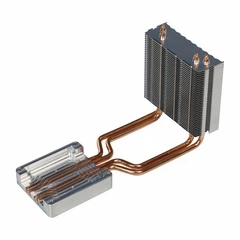
Hey there, fellow car enthusiasts and industry peeps! As a supplier of car brand radiators, I've seen it all when it comes to the problems these crucial components can face. In this blog, I'm gonna break down some of the most common issues with car brand radiators, so you know what to look out for and how to keep your engine cool.
1. Leaks
Leaks are probably the most well - known problem with car radiators. They can happen for a bunch of reasons. First off, corrosion is a major culprit. Over time, the metal parts of the radiator can start to rust, especially if the coolant isn't changed regularly. Coolant has anti - corrosion additives, but as it ages, these additives lose their effectiveness. So, if you don't flush and refill your coolant every few years, the radiator can start to corrode from the inside out.


Another cause of leaks is physical damage. Maybe you hit a rock on the road, or there was some debris that got kicked up and punctured the radiator. Even small holes can lead to big problems, because once coolant starts leaking, your engine isn't getting the proper cooling it needs. You might notice a puddle of coolant under your car, or the temperature gauge on your dashboard might start creeping up.
If you suspect a leak, it's important to get it fixed right away. A small leak can turn into a major headache if it's left untreated. And hey, if you're looking for a high - quality replacement radiator, we've got you covered. Check out our Automobile Car Drainage Raditor that's built to last.
2. Clogging
Clogging is another common problem. Sediments and debris can build up inside the radiator over time. This can come from the coolant itself, which can break down and form sludge. Also, if there are any contaminants in the water you use to mix with the coolant, they can cause blockages.
When the radiator gets clogged, coolant can't flow through it properly. This means that heat isn't being transferred away from the engine as efficiently as it should be. Your engine might start to overheat, and you may notice a decrease in performance. You could also experience reduced acceleration and lower fuel efficiency.
To prevent clogging, regular maintenance is key. Flushing the radiator every couple of years can help get rid of any built - up debris. And make sure you're using the right coolant for your car. Using a high - quality coolant that's specifically designed for your vehicle can help minimize the formation of sludge. We also offer some top - notch radiator solutions, like our Cavity - type Energy Storage Battery Water Cooling Plate which is engineered to resist clogging and ensure smooth coolant flow.
3. Fan Malfunctions
The radiator fan plays a crucial role in keeping your engine cool, especially when you're sitting in traffic or driving at low speeds. If the fan isn't working properly, the radiator can't dissipate heat as effectively.
There are a few reasons why the fan might malfunction. One common issue is a blown fuse. The fuse for the fan can blow if there's an electrical short in the system. You can usually check and replace the fuse yourself if you know where to look in your car's fuse box.
Another problem could be with the fan motor itself. Over time, the motor can wear out, especially if it's been working hard in hot conditions. You might notice that the engine is overheating when you're idling, but it cools down when you start moving. This is a sign that the fan might not be working as it should.
If you're having fan problems, don't ignore them. A faulty fan can lead to serious engine damage if the engine overheats for too long. We understand the importance of a reliable cooling system, and our radiators are often sold with high - quality fans to ensure optimal performance.
4. Pressure Issues
The radiator operates under a certain amount of pressure to keep the coolant in a liquid state at higher temperatures. If there's a problem with the pressure cap or the radiator itself, the pressure can be affected.
A faulty pressure cap is a common cause of pressure issues. The pressure cap is designed to release excess pressure when it gets too high, but if it's not sealing properly or if the valve is stuck, it can cause problems. If the pressure is too low, the coolant might boil at a lower temperature, leading to overheating. On the other hand, if the pressure is too high, it can cause leaks in the radiator or other parts of the cooling system.
Checking the pressure cap regularly and replacing it if it shows signs of wear or damage is a good preventive measure. And if you're looking for a radiator that can handle the right pressure, our products are engineered to meet the highest standards.
5. Material Degradation
The materials used in the radiator can also degrade over time. For example, if you have a radiator with plastic tanks, the plastic can become brittle in extreme temperatures. Cold weather can cause the plastic to crack, while hot weather can make it warp.
Aluminum radiators, which are very common these days, can also face issues. Although aluminum is a great material for heat transfer, it can still corrode if the coolant isn't compatible or if there's a lot of moisture in the system.
We use high - quality materials in our radiators to minimize material degradation. Our Aluminum Heat Pipe Communication Module Heatsink is made from top - grade aluminum that's treated to resist corrosion and wear, ensuring long - term performance.
Wrapping Up and Invitation to Purchase
Alright, so there you have it, the most common problems with car brand radiators. As you can see, taking care of your radiator is super important for the overall health of your car. If you're dealing with any of these issues or just want to upgrade your current radiator, we're here to help.
We're a trusted supplier of car brand radiators, and we pride ourselves on offering high - quality products at competitive prices. Whether you need a radiator for a new car or a replacement part for an older model, we've got the right solution for you.
If you're interested in our products and want to discuss a purchase, feel free to reach out. We're always happy to have a chat about your specific needs and how we can help keep your engine running cool.
References
- "Automotive Cooling System Handbook" by John H. Kershaw
- "The Complete Car Care Manual" by Ron Volper