


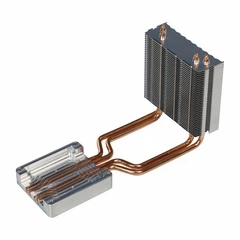
Maintaining water-cooled plate assemblies is crucial for ensuring their long - term performance and reliability. As a supplier of water - cooled plate assemblies, I understand the significance of proper maintenance and am here to share some essential tips and best practices.
Understanding Water - Cooled Plate Assemblies
Water - cooled plate assemblies are widely used in various industries, including automotive, energy storage, and electronics. They work by transferring heat from a heat source to a cooling medium (usually water) flowing through the internal channels of the plate. This efficient heat transfer mechanism helps in maintaining optimal operating temperatures for sensitive components.
For instance, in the automotive industry, Lightweight Automotive Controller Water Cooling Plate and Automotive Controller Water Cooling Plate play a vital role in cooling electronic control units, ensuring their stable operation. In the energy storage sector, Cavity - type Energy Storage Battery Water Cooling Plate helps in regulating the temperature of batteries, which is essential for their performance and lifespan.
Regular Inspection
One of the first steps in maintaining water - cooled plate assemblies is regular inspection. This should be done at scheduled intervals, depending on the operating conditions and usage of the equipment.
Visual Inspection
Start with a visual inspection of the entire assembly. Look for any signs of physical damage, such as cracks, dents, or scratches on the surface of the water - cooled plate. These damages can lead to coolant leakage, which not only reduces the cooling efficiency but can also cause damage to the surrounding components.
Check the connections between the water - cooled plate and the coolant supply lines. Ensure that the fittings are tight and there are no signs of leakage at the joints. Loose connections can result in coolant loss and may also introduce air into the system, which can disrupt the flow of coolant and reduce the heat transfer efficiency.
Internal Inspection
Periodically, it may be necessary to perform an internal inspection of the water - cooled plate. This can be done by flushing the system and examining the coolant for any signs of contamination. Contaminants such as dirt, debris, or corrosion products can accumulate inside the channels of the water - cooled plate over time, blocking the flow of coolant and reducing the heat transfer rate.
If possible, use a borescope to visually inspect the internal channels of the water - cooled plate. This can help in detecting any blockages or deposits that may not be visible from the outside.
Coolant Management
The coolant used in water - cooled plate assemblies plays a critical role in the heat transfer process. Proper coolant management is essential for maintaining the performance and longevity of the system.
Coolant Selection
Choose the right coolant for your water - cooled plate assembly. The coolant should have good heat transfer properties, low freezing point, and high boiling point. It should also be compatible with the materials used in the water - cooled plate and the other components of the cooling system.
Commonly used coolants include water - glycol mixtures, which offer a good balance of heat transfer performance and corrosion protection. The ratio of water to glycol should be carefully selected based on the operating temperature range of the system.
Coolant Level Monitoring
Regularly monitor the coolant level in the system. A low coolant level can indicate a leak in the system or excessive evaporation. If the coolant level is low, add the appropriate coolant to bring it back to the recommended level.
Coolant Replacement
Over time, the coolant can degrade due to factors such as heat, oxidation, and contamination. It is important to replace the coolant at regular intervals as recommended by the manufacturer. This helps in maintaining the coolant's performance and preventing corrosion and scaling inside the water - cooled plate.
Cleaning and Flushing
Cleaning and flushing the water - cooled plate assembly is an important maintenance task that helps in removing contaminants and deposits from the system.
Flushing the System
Periodically flush the water - cooled plate assembly with clean water or a suitable cleaning solution. This helps in removing dirt, debris, and corrosion products from the internal channels of the plate.
To flush the system, first, drain the existing coolant from the system. Then, connect a flushing unit to the coolant supply lines and circulate the flushing solution through the water - cooled plate for a specified period of time. After flushing, drain the flushing solution and rinse the system with clean water to remove any remaining traces of the cleaning solution.


Chemical Cleaning
In some cases, chemical cleaning may be required to remove stubborn deposits or scale from the water - cooled plate. Use a chemical cleaner that is specifically designed for use in water - cooled systems and follow the manufacturer's instructions carefully.
Chemical cleaning should be done with caution, as some chemicals can be corrosive to certain materials. After chemical cleaning, thoroughly rinse the system with clean water to remove any residual chemicals.
Sealing and Gasket Maintenance
The seals and gaskets used in water - cooled plate assemblies are important for preventing coolant leakage. Regular maintenance of these components is essential for ensuring the integrity of the system.
Seal Inspection
Inspect the seals and gaskets for any signs of wear, damage, or deterioration. Over time, seals can become brittle or lose their elasticity, which can lead to leakage. If any damage is detected, replace the seals and gaskets immediately.
Gasket Replacement
When replacing the seals and gaskets, use high - quality replacement parts that are compatible with the water - cooled plate assembly. Ensure that the gaskets are properly installed and tightened to the recommended torque specifications to prevent leakage.
System Performance Monitoring
Monitoring the performance of the water - cooled plate assembly is an important part of maintenance. This helps in detecting any potential problems early and taking corrective actions before they cause significant damage to the system.
Temperature Monitoring
Install temperature sensors at key points in the system, such as the inlet and outlet of the water - cooled plate and the heat source. Monitor the temperature readings regularly to ensure that the system is operating within the recommended temperature range.
A sudden increase in temperature may indicate a problem with the cooling system, such as a blockage in the water - cooled plate or a malfunctioning pump. If the temperature exceeds the recommended limit, shut down the system immediately and investigate the cause.
Flow Rate Monitoring
Monitor the flow rate of the coolant through the water - cooled plate assembly. A decrease in the flow rate can indicate a blockage in the system or a problem with the pump. Use a flow meter to measure the flow rate and compare it with the recommended values.
Training and Documentation
Proper training of the personnel responsible for maintaining the water - cooled plate assemblies is essential. They should be familiar with the operating principles of the system, the maintenance procedures, and the safety precautions.
Keep detailed documentation of all maintenance activities, including inspection reports, coolant replacement records, and cleaning and flushing schedules. This documentation can help in tracking the maintenance history of the system and can be useful for troubleshooting and warranty claims.
Conclusion
Maintaining water - cooled plate assemblies is a complex but essential task that requires a combination of regular inspection, proper coolant management, cleaning and flushing, sealing and gasket maintenance, and system performance monitoring. By following these maintenance tips and best practices, you can ensure the long - term performance and reliability of your water - cooled plate assemblies.
If you are interested in purchasing high - quality water - cooled plate assemblies or have any questions about their maintenance, please feel free to contact us for further discussion and procurement negotiations.
References
- ASHRAE Handbook - HVAC Systems and Equipment. American Society of Heating, Refrigerating and Air - Conditioning Engineers.
- Cooling Systems for Electronic Equipment. Prentice Hall.
- Automotive Cooling System Design and Analysis. SAE International.