


Ensuring the stability of the tunnel brazing process is crucial for any supplier in this field. As a tunnel brazing process supplier, I understand the significance of maintaining a stable brazing process to meet the high - quality requirements of our customers. In this blog, I will share some key aspects that contribute to the stability of the tunnel brazing process.
1. Material Selection and Preparation
The quality of materials used in the tunnel brazing process is the foundation for a stable operation. First, the base metals and filler metals need to be carefully selected. The compatibility between the base metal and the filler metal is of utmost importance. For example, when brazing aluminum components, the filler metal should have a suitable melting point and chemical composition that can form a strong and reliable joint with the aluminum base metal.
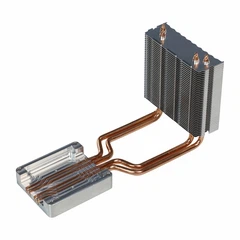
Before brazing, the materials must be properly prepared. This includes cleaning the surfaces of the base metals to remove any contaminants such as oil, grease, and oxides. A clean surface ensures good wetting of the filler metal and promotes the formation of a sound brazed joint. We often use chemical cleaning methods or mechanical cleaning techniques such as sandblasting to achieve a clean surface. For instance, in the production of Aluminum Heat Pipe Communication Module Heatsink, the aluminum parts need to be thoroughly cleaned to ensure the quality of the brazed joints.
2. Furnace Design and Control
The design of the tunnel brazing furnace plays a vital role in the stability of the brazing process. The furnace should be able to provide a uniform temperature distribution throughout the brazing zone. This requires a well - designed heating system and proper insulation. A temperature gradient within the furnace can lead to inconsistent brazing results, such as incomplete melting of the filler metal or over - heating of some parts.
We use advanced temperature control systems to monitor and adjust the temperature inside the furnace. These systems can maintain the temperature within a narrow range, ensuring that the brazing process occurs at the optimal temperature. For example, in the brazing of Automobile Car Drainage Raditor, precise temperature control is essential to ensure the integrity of the brazed joints and the performance of the radiator.
In addition to temperature control, the atmosphere inside the furnace also needs to be carefully regulated. In most cases, a protective gas atmosphere is used to prevent oxidation of the metals during brazing. The type and flow rate of the protective gas should be adjusted according to the specific requirements of the brazing process. For example, in the brazing of aluminum, a nitrogen - based atmosphere is often used to protect the aluminum from oxidation.
3. Fixture Design
The design of fixtures is another important factor in ensuring the stability of the tunnel brazing process. Fixtures are used to hold the components in place during brazing, ensuring proper alignment and contact between the parts. A well - designed fixture can prevent movement and misalignment of the components, which can lead to poor brazing quality.
The fixture should be made of materials that can withstand the high temperatures in the brazing furnace. It should also be designed to allow for easy loading and unloading of the components. For example, in the production of Automotive Controller Water Cooling Plate, a custom - designed fixture is used to hold the cooling plate and the related components in the correct position during brazing.
4. Process Monitoring and Quality Control
Continuous monitoring of the brazing process is essential to ensure its stability. We use various sensors and monitoring devices to collect data on parameters such as temperature, gas flow rate, and pressure. This data is then analyzed to detect any potential issues or deviations from the normal process conditions.


Quality control measures are also implemented at every stage of the brazing process. This includes visual inspection, non - destructive testing, and mechanical testing of the brazed joints. For example, X - ray inspection can be used to detect internal defects in the brazed joints, while tensile testing can be used to evaluate the strength of the joints.
5. Operator Training and Experience
The skills and experience of the operators are crucial for the stability of the tunnel brazing process. Operators need to be well - trained in the operation of the brazing equipment, the handling of materials, and the implementation of quality control measures.
Regular training programs are provided to our operators to keep them updated with the latest technologies and best practices in the tunnel brazing process. Experienced operators can quickly identify and solve problems that may arise during the brazing process, ensuring the smooth operation of the production line.
6. Maintenance and Upgrades
Regular maintenance of the brazing equipment is necessary to ensure its long - term stability. This includes cleaning the furnace, replacing worn - out parts, and calibrating the control systems. A well - maintained brazing system can operate more efficiently and produce high - quality brazed products.
In addition, we also invest in the continuous upgrade of our brazing equipment and technologies. Newer technologies can offer better temperature control, more precise gas flow regulation, and improved brazing quality. By keeping up with the latest developments in the field, we can ensure that our tunnel brazing process remains stable and competitive.
Conclusion
Ensuring the stability of the tunnel brazing process requires a comprehensive approach that includes material selection and preparation, furnace design and control, fixture design, process monitoring and quality control, operator training, and equipment maintenance and upgrades. As a tunnel brazing process supplier, we are committed to providing high - quality brazing services to our customers. If you are interested in our tunnel brazing services or have any questions about the brazing process, please feel free to contact us for procurement and further discussion.
References
- "Brazing Handbook" by The American Welding Society
- "Principles of Brazing" by R. M. Brons and C. H. Phipps