


A well - functioning automotive cooling system is crucial for the overall performance and efficiency of a vehicle. As a leading supplier of automotive cooling systems, I've witnessed firsthand how a malfunctioning cooling system can have a significant impact on fuel efficiency. In this blog, we'll delve into the intricate relationship between the cooling system and fuel consumption, exploring the mechanisms at play and the consequences of a faulty cooling setup.
The Basics of an Automotive Cooling System
Before we discuss the impact on fuel efficiency, it's essential to understand how an automotive cooling system works. The primary function of the cooling system is to regulate the engine's temperature. When the engine burns fuel to produce power, it generates a substantial amount of heat. If this heat isn't managed properly, the engine can overheat, leading to serious damage.
The cooling system consists of several key components, including the radiator, water pump, thermostat, and coolant. The water pump circulates the coolant through the engine and the radiator. As the hot coolant passes through the radiator, it releases heat to the surrounding air, cooling down in the process. The thermostat regulates the flow of coolant, ensuring that the engine reaches and maintains its optimal operating temperature.
How the Cooling System Affects Fuel Efficiency
The engine operates most efficiently within a specific temperature range. When the cooling system malfunctions, the engine may not reach or maintain this optimal temperature, which can lead to a decrease in fuel efficiency.
1. Increased Friction
When the engine is too cold, the viscosity of the engine oil increases. Thick oil creates more friction between the moving parts of the engine, such as the pistons, crankshaft, and camshaft. This increased friction requires more energy to overcome, which means the engine has to burn more fuel to produce the same amount of power. For example, in a cold - start situation, if the cooling system fails to warm up the engine quickly, the engine will operate at a sub - optimal temperature for an extended period, resulting in higher fuel consumption.
2. Poor Combustion
An engine that runs too hot or too cold can experience poor combustion. When the engine is too cold, the fuel may not vaporize properly. Incomplete vaporization means that the fuel - air mixture is not as homogeneous as it should be, leading to incomplete combustion. This results in wasted fuel and reduced power output. On the other hand, an overheated engine can cause pre - ignition or knocking, which also disrupts the normal combustion process and reduces fuel efficiency.
3. Emission Control System Issues
The automotive emission control system is closely linked to the engine's temperature. A malfunctioning cooling system can cause the engine to operate outside the optimal temperature range for the emission control system. For instance, the catalytic converter, which reduces harmful emissions, needs to reach a certain temperature to function effectively. If the engine is too cold, the catalytic converter won't work efficiently, and the engine control unit may adjust the fuel - air mixture to compensate, leading to increased fuel consumption.
Common Malfunctions in Automotive Cooling Systems
There are several common malfunctions that can occur in automotive cooling systems, each with its own impact on fuel efficiency.


1. Coolant Leaks
Coolant leaks are one of the most common problems in cooling systems. A leak can occur in the radiator, hoses, water pump, or the engine block itself. When coolant leaks, the volume of coolant circulating in the system decreases. This can lead to overheating if there isn't enough coolant to absorb and dissipate the engine's heat. As we've discussed, overheating can cause poor combustion and increased friction, both of which reduce fuel efficiency.
2. Thermostat Failure
The thermostat is a small but critical component of the cooling system. If the thermostat gets stuck in the closed position, the coolant won't flow through the radiator, causing the engine to overheat. Conversely, if it gets stuck in the open position, the engine may not reach its optimal operating temperature, leading to increased friction and poor combustion.
3. Radiator Blockage
Over time, the radiator can become clogged with dirt, debris, or rust. A blocked radiator restricts the flow of air through it, reducing its ability to cool the coolant. This can cause the engine to overheat and negatively impact fuel efficiency.
Case Studies
Let's take a look at some real - world examples of how a malfunctioning cooling system can affect fuel efficiency.
In a study conducted on a fleet of delivery trucks, it was found that vehicles with cooling system issues had an average fuel consumption increase of 10 - 15%. These issues included coolant leaks and radiator blockages. The trucks had to be driven with engines operating at higher temperatures, which led to increased friction and poor combustion, resulting in higher fuel usage.
Another case involved a passenger car with a faulty thermostat. The car's engine took much longer to reach its optimal operating temperature, and the driver noticed a significant decrease in fuel economy. After replacing the thermostat, the engine temperature normalized, and the fuel efficiency improved.
Our Solutions as an Automotive Cooling System Supplier
As an automotive cooling system supplier, we offer a range of high - quality products designed to ensure optimal engine performance and fuel efficiency. Our Cavity - type Energy Storage Battery Water Cooling Plate is a state - of - the - art solution for cooling the energy storage batteries in electric and hybrid vehicles. It provides efficient heat dissipation, ensuring that the batteries operate within their optimal temperature range, which is crucial for battery performance and longevity.
Our Lightweight Automotive Controller Water Cooling Plate is designed to cool the automotive controllers. By maintaining the controllers at the right temperature, it helps to ensure the proper functioning of various electronic systems in the vehicle, which in turn contributes to overall fuel efficiency.
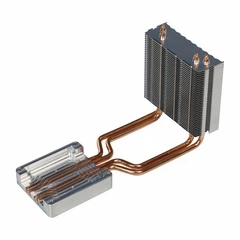
In addition, our Aluminum Heat Pipe Communication Module Heatsink is an excellent choice for cooling communication modules in modern vehicles. It effectively transfers heat away from the modules, preventing overheating and ensuring reliable operation.
Conclusion
A malfunctioning automotive cooling system can have a significant negative impact on fuel efficiency. Whether it's through increased friction, poor combustion, or emission control system issues, a faulty cooling system can cause the engine to burn more fuel than necessary. As an automotive cooling system supplier, we understand the importance of a well - functioning cooling system for fuel efficiency and overall vehicle performance.
If you're experiencing issues with your vehicle's fuel efficiency or suspect a problem with your cooling system, we're here to help. Our team of experts can provide you with the right solutions to improve your vehicle's performance and reduce fuel consumption. Contact us to discuss your specific needs and explore our range of high - quality automotive cooling system products.
References
- Heywood, J. B. (1988). Internal Combustion Engine Fundamentals. McGraw - Hill.
- Taylor, C. F. (1985). The Internal Combustion Engine in Theory and Practice. MIT Press.
- SAE International. (2019). SAE Handbook. SAE International.