


How do I flush my cooling system components?
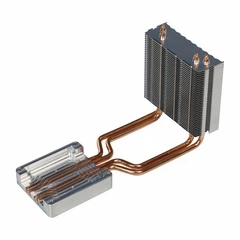
As a supplier of Cooling System Components, I understand the importance of maintaining and flushing these components to ensure optimal performance. In this blog post, I'll share a detailed guide on how to flush your cooling system components effectively.


Why Flushing is Necessary
Over time, cooling system components such as radiators, water cooling plates, and hoses can accumulate debris, rust, and scale. This buildup can impede the flow of coolant, reduce the efficiency of the cooling system, and even lead to overheating. Flushing the system helps to remove these contaminants, ensuring that the coolant can circulate freely and maintain the proper operating temperature of your vehicle or equipment.
Tools and Materials Needed
Before you start the flushing process, gather the following tools and materials:
- A large container to collect the drained coolant.
- A garden hose or a pressure washer for flushing.
- A coolant flush solution (optional but recommended).
- Safety gloves and goggles to protect yourself from the coolant.
Step 1: Prepare the Vehicle or Equipment
- Park the vehicle or turn off the equipment: Make sure the engine or machinery is completely cool before you begin. Hot coolant can cause severe burns.
- Locate the drain plug: On most vehicles, the radiator drain plug is located at the bottom of the radiator. Refer to your vehicle's owner's manual if you're having trouble finding it.
Step 2: Drain the Coolant
- Place the container under the drain plug: Position the container so that it can catch all the coolant that drains out.
- Open the drain plug: Slowly open the drain plug to allow the coolant to flow into the container. Be careful, as the coolant may be hot and can cause burns.
- Let the coolant drain completely: This may take several minutes. Once all the coolant has drained, close the drain plug.
Step 3: Prepare the Flush Solution (Optional)
- Read the instructions on the flush solution: Different flush solutions may have different mixing ratios and application methods. Follow the manufacturer's instructions carefully.
- Mix the flush solution with water: If required, mix the flush solution with water in the recommended ratio.
Step 4: Flush the Radiator
- Fill the radiator with water or the flush solution: Use a garden hose or a funnel to fill the radiator with water or the flush solution. Fill it up to the recommended level.
- Start the engine or equipment: Turn on the engine or machinery and let it run for a few minutes. This will help to circulate the water or flush solution through the cooling system.
- Check the temperature gauge: Make sure the temperature gauge remains within the normal range. If it starts to rise, turn off the engine immediately and check for any blockages.
- Flush the radiator with water: After running the engine for a few minutes, turn it off and let it cool down. Then, open the drain plug again and let the water or flush solution drain out. Repeat this process several times until the water runs clear.
Step 5: Flush Other Cooling System Components
- Flush the heater core: Some vehicles have a separate heater core that can also accumulate debris. To flush the heater core, locate the heater hoses and disconnect them from the engine. Connect a garden hose to one of the hoses and let the water run through the heater core until it runs clear.
- Flush the water pump: The water pump is responsible for circulating the coolant through the system. To flush the water pump, remove the water pump pulley and use a brush to clean the inside of the pump. Then, flush the pump with water.
- Flush the hoses: Inspect the hoses for any signs of damage or blockage. If necessary, remove the hoses and flush them with water.
Step 6: Refill the Cooling System
- Choose the right coolant: Refer to your vehicle's owner's manual to determine the correct type of coolant to use.
- Fill the radiator with coolant: Use a funnel to fill the radiator with coolant up to the recommended level.
- Bleed the air from the system: Start the engine and let it run with the radiator cap off. This will allow any air bubbles to escape from the system. As the coolant level drops, add more coolant until it reaches the recommended level.
- Check for leaks: After refilling the cooling system, check for any leaks around the radiator, hoses, and connections. If you notice any leaks, tighten the connections or replace the damaged parts.
Step 7: Dispose of the Coolant Properly
- Coolant is toxic: Coolant contains chemicals that are harmful to the environment and human health. Do not pour it down the drain or into the ground.
- Take the coolant to a recycling center: Many auto parts stores and recycling centers accept used coolant for recycling. Contact your local recycling center for more information.
Recommended Cooling System Components
- Automobile Car Drainage Raditor: Our Automobile Car Drainage Raditor is designed to provide efficient cooling for your vehicle. It is made of high-quality materials and is built to last.
- Cavity-type Energy Storage Battery Water Cooling Plate: The Cavity-type Energy Storage Battery Water Cooling Plate is an essential component for maintaining the temperature of energy storage batteries. It helps to prevent overheating and extends the lifespan of the batteries.
- Automotive Controller Water Cooling Plate: Our Automotive Controller Water Cooling Plate is designed to keep the automotive controller cool, ensuring its proper functioning. It is made of lightweight and durable materials.
Conclusion
Flushing your cooling system components regularly is an important part of vehicle and equipment maintenance. By following these steps, you can ensure that your cooling system is clean and functioning properly. If you have any questions or need further assistance, feel free to contact us for more information. We are here to help you with all your cooling system component needs. Whether you're looking to purchase new components or need advice on maintenance, our team of experts is ready to assist you. Don't hesitate to reach out for a procurement discussion and find the best solutions for your cooling requirements.
References
- "Automotive Cooling System Maintenance Guide" - General Motors
- "Cooling System Flush and Maintenance" - AutoZone