


Maintaining the proper coolant level in your automotive cooling system is crucial for the overall health and performance of your vehicle. As a leading supplier of automotive cooling systems, I understand the significance of this issue and am here to share some valuable insights on how you can prevent low - coolant levels.
Understanding the Importance of Coolant
Coolant, also known as antifreeze, plays a vital role in your vehicle's engine. It not only helps to regulate the engine temperature but also prevents the engine from freezing in cold weather and boiling over in hot conditions. A low - coolant level can lead to overheating, which may cause severe engine damage, including warped cylinder heads, blown head gaskets, and even engine failure. Therefore, it is essential to keep an eye on the coolant level and take preventive measures to avoid any potential problems.
Regular Inspections
One of the simplest ways to prevent low - coolant levels is to conduct regular inspections of your cooling system. You should check the coolant level at least once a month or before any long - distance trips. Most vehicles have a coolant reservoir with minimum and maximum marks. Make sure the coolant level is between these two marks. If the level is below the minimum mark, you need to add coolant to the reservoir.
When checking the coolant level, also look for any signs of leaks. Inspect the hoses, radiator, water pump, and other components of the cooling system for any visible coolant stains or drips. Leaks can occur due to worn - out hoses, loose connections, or damaged gaskets. If you notice any leaks, it is important to address them promptly. You can Lightweight Automotive Controller Water Cooling Plate which is a high - quality component that can help in maintaining the integrity of the cooling system and reducing the risk of leaks.
Use the Right Coolant
Using the correct coolant for your vehicle is essential. Different vehicles require different types of coolant, so it is important to refer to your vehicle's owner's manual for the recommended coolant type. Mixing different types of coolant can lead to chemical reactions that may cause corrosion and damage to the cooling system.
The coolant should also be changed at the recommended intervals. Over time, coolant can break down and lose its effectiveness. A coolant flush and replacement can help remove any contaminants and ensure that the cooling system functions properly. As an automotive cooling system supplier, we offer a wide range of high - quality coolants that are specifically formulated for different vehicle models.
Maintain the Cooling System Components
The various components of the cooling system need to be in good working condition to prevent low - coolant levels. The radiator is one of the most important components. It dissipates heat from the coolant. Over time, the radiator can become clogged with dirt, debris, and rust. This can reduce its efficiency and cause the coolant to overheat. You can use a radiator flush to clean the radiator and remove any blockages.


The water pump is responsible for circulating the coolant throughout the engine. A faulty water pump can lead to poor coolant circulation and low - coolant levels. If you notice any signs of a failing water pump, such as coolant leaks or unusual noises, it should be replaced immediately.
Hoses are another critical part of the cooling system. They can deteriorate over time due to heat, pressure, and age. Inspect the hoses regularly for cracks, bulges, or soft spots. Replace any damaged hoses to prevent coolant leaks. Our Automobile Car Drainage Raditor is designed to work in harmony with these components to ensure optimal cooling system performance.
Keep the Engine Well - Tuned
A well - tuned engine is less likely to experience overheating issues, which can lead to low - coolant levels. Regular engine maintenance, such as changing the spark plugs, air filter, and fuel filter, can improve engine efficiency and reduce the load on the cooling system.
The thermostat is also an important component that affects the engine temperature. A faulty thermostat can cause the engine to run too hot or too cold. If the engine runs too hot, it can cause the coolant to evaporate more quickly, leading to low - coolant levels. Have the thermostat checked and replaced if necessary during your regular vehicle maintenance.
Monitor the Temperature Gauge
Your vehicle's temperature gauge is a valuable tool for monitoring the engine temperature. Pay attention to the temperature gauge while driving. If the gauge indicates that the engine is running hotter than normal, it could be a sign of a cooling system problem. Pull over safely and turn off the engine as soon as possible to prevent further damage.
If the engine has overheated, do not attempt to open the radiator cap immediately. The coolant inside the radiator is under pressure, and opening the cap while the engine is hot can cause the coolant to spray out and cause serious burns. Wait for the engine to cool down completely before checking the coolant level and inspecting the cooling system.
Protect the Cooling System in Extreme Weather
Extreme weather conditions can put additional stress on the cooling system. In hot weather, the engine generates more heat, and the coolant needs to work harder to keep the engine cool. Make sure the cooling system is in top - notch condition before the hot summer months. You can add a coolant additive to improve the coolant's heat - transfer properties.
In cold weather, the coolant needs to prevent the engine from freezing. Using the right coolant with the appropriate freezing - point protection is crucial. Also, make sure the heater is working properly. A malfunctioning heater can be a sign of a cooling system problem.
Consider Upgrading the Cooling System
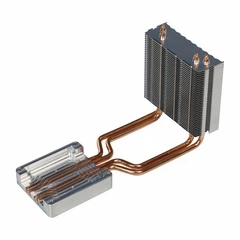
If you frequently drive in harsh conditions, such as towing heavy loads or driving in mountainous areas, you may want to consider upgrading your cooling system. Upgrading to a larger radiator or a high - performance water pump can improve the cooling capacity of your vehicle. Our Aluminum Heat Pipe Communication Module Heatsink is an advanced component that can enhance the heat - dissipation capabilities of the cooling system.
In conclusion, preventing low - coolant levels in your automotive cooling system requires regular maintenance, using the right coolant, and keeping an eye on the system's components. By following these tips, you can ensure that your vehicle's cooling system functions properly and avoid costly repairs. As a trusted supplier of automotive cooling systems, we are committed to providing high - quality products and solutions to meet your needs. If you are interested in purchasing our automotive cooling system products or have any questions, please feel free to contact us for procurement discussions.
References
- "Automotive Cooling System Handbook"
- Various vehicle owner's manuals