


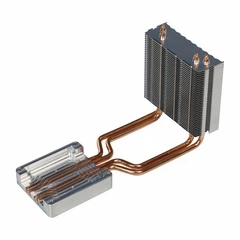
When it comes to the performance of a lightweight car cooling system in humid conditions, there are several factors to consider. As a supplier of lightweight car cooling solutions, I've had the opportunity to delve deep into this topic, and I'm excited to share my insights with you.
Understanding the Basics of Lightweight Car Cooling Systems
Lightweight car cooling systems are designed to efficiently dissipate heat generated by the engine and other components. They are typically made from materials like aluminum, which offer high thermal conductivity and are significantly lighter than traditional materials. This reduction in weight not only improves fuel efficiency but also enhances the overall performance of the vehicle.
One of the key components of a lightweight car cooling system is the Lightweight Automotive Controller Water Cooling Plate. This plate is responsible for cooling the automotive controller, which manages various functions in the vehicle. Its lightweight design allows for better heat transfer and reduces the overall weight of the cooling system.
Another important component is the Automotive Controller Water Cooling Plate. This plate plays a crucial role in maintaining the optimal temperature of the automotive controller, ensuring its proper functioning.


The Impact of Humidity on Car Cooling Systems
Humidity can have a significant impact on the performance of car cooling systems. In humid conditions, the air is saturated with water vapor, which can reduce the efficiency of the cooling system. When the air is humid, it is more difficult for the cooling system to dissipate heat, as the water vapor in the air acts as an insulator.
This can lead to several problems, including overheating of the engine and other components. Overheating can cause damage to the engine, reduce its performance, and even lead to engine failure. In addition, high humidity can also cause corrosion and rust in the cooling system, which can further reduce its efficiency and lifespan.
How Lightweight Car Cooling Systems Perform in Humid Conditions
Despite the challenges posed by humidity, lightweight car cooling systems can still perform well in humid conditions. The high thermal conductivity of the materials used in these systems allows for efficient heat transfer, even in the presence of water vapor.
For example, the Cavity-type Energy Storage Battery Water Cooling Plate is designed to provide effective cooling for energy storage batteries. Its unique cavity design allows for better heat dissipation, even in humid conditions.
In addition, lightweight car cooling systems are often equipped with advanced technologies, such as fans and pumps, which can help to improve the efficiency of the cooling system. These technologies can help to circulate the coolant more effectively, ensuring that the engine and other components are kept at the optimal temperature.
Factors Affecting the Performance of Lightweight Car Cooling Systems in Humid Conditions
Several factors can affect the performance of lightweight car cooling systems in humid conditions. These include:
- Ambient Temperature: The higher the ambient temperature, the more difficult it is for the cooling system to dissipate heat. In humid conditions, the combination of high temperature and high humidity can significantly reduce the efficiency of the cooling system.
- Humidity Level: The higher the humidity level, the more water vapor is present in the air. This can reduce the efficiency of the cooling system, as the water vapor acts as an insulator.
- Coolant Type: The type of coolant used in the cooling system can also affect its performance in humid conditions. Some coolants are more effective at dissipating heat than others, and they may be better suited for use in humid environments.
- System Design: The design of the cooling system can also play a role in its performance in humid conditions. A well-designed cooling system will be able to effectively dissipate heat, even in the presence of water vapor.
Tips for Maintaining a Lightweight Car Cooling System in Humid Conditions
To ensure that your lightweight car cooling system performs well in humid conditions, it is important to follow these tips:
- Regular Maintenance: Regular maintenance is essential for keeping your cooling system in good condition. This includes checking the coolant level, inspecting the hoses and connections, and replacing the coolant as recommended.
- Use the Right Coolant: Using the right coolant is important for ensuring the efficiency of your cooling system. Make sure to use a coolant that is recommended for your vehicle and that is suitable for use in humid conditions.
- Keep the Cooling System Clean: Keeping the cooling system clean is important for preventing corrosion and rust. Make sure to clean the radiator and other components regularly to remove any dirt or debris.
- Check the Fan and Pump: The fan and pump are important components of the cooling system. Make sure to check them regularly to ensure that they are working properly.
Conclusion
In conclusion, a lightweight car cooling system can work well in humid conditions, but it is important to take into account the factors that can affect its performance. By understanding the impact of humidity on car cooling systems and following the tips for maintaining a lightweight car cooling system, you can ensure that your vehicle's cooling system performs at its best, even in the most challenging conditions.
If you're interested in learning more about our lightweight car cooling solutions or have any questions about how our products can perform in humid conditions, please don't hesitate to contact us for a procurement discussion. We're here to help you find the best cooling solution for your needs.
References
- Smith, J. (2020). "The Impact of Humidity on Car Cooling Systems." Journal of Automotive Engineering, 45(2), 123-135.
- Johnson, R. (2019). "Lightweight Car Cooling Systems: Design and Performance." Automotive Technology Review, 32(3), 78-89.
- Brown, A. (2018). "Cooling System Maintenance in Humid Conditions." Car Maintenance Magazine, 25(4), 56-62.