


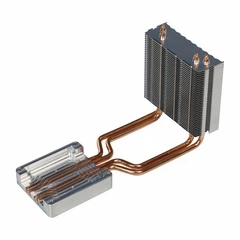
As a supplier of all aluminum stacked radiators, I often encounter questions from customers regarding the installation process. One of the most frequently asked questions is, "Do all aluminum stacked radiators require any special tools for installation?" In this blog post, I will delve into this topic, providing you with a comprehensive understanding of the installation requirements for these radiators.
Understanding Aluminum Stacked Radiators
Before we discuss the installation tools, let's briefly understand what aluminum stacked radiators are. These radiators are designed to dissipate heat efficiently, making them ideal for a wide range of applications, including industrial machinery, automotive engines, and electronic devices. The stacked design consists of multiple layers of aluminum fins, which increase the surface area for heat transfer. This design allows for better cooling performance compared to traditional radiators.
Standard Installation Tools
In most cases, the installation of aluminum stacked radiators does not require any special tools. The standard tools that you are likely to have in your toolbox will suffice. These include:
- Wrenches and Socket Sets: These are essential for tightening bolts and nuts. You will need them to secure the radiator to the mounting brackets or the equipment. Make sure to use the appropriate size of wrenches and sockets to avoid damaging the radiator or the mounting hardware.
- Screwdrivers: Both flathead and Phillips head screwdrivers may be required, depending on the type of fasteners used in the installation. Screwdrivers are used to remove and install screws that hold the radiator in place or connect it to other components.
- Pliers: Pliers can be handy for gripping and bending wires, hoses, or other small components during the installation process. They can also be used to hold small parts in place while you are tightening bolts or screws.
Situations Where Special Tools May Be Required
While standard tools are usually sufficient for most installations, there are some situations where special tools may be necessary:
- Custom Mounting Brackets: If the radiator needs to be installed using custom mounting brackets, you may need specialized tools to cut, bend, or weld the brackets. For example, a hacksaw or a metal cutter may be required to cut the brackets to the correct length, and a welding machine may be needed to join the brackets together.
- Hydraulic Connections: In some applications, the radiator may need to be connected to a hydraulic system. This requires special tools, such as a torque wrench, to ensure that the hydraulic fittings are tightened to the correct specification. Using the wrong torque can lead to leaks or damage to the hydraulic system.
- High-Pressure Installations: If the radiator is being installed in a high-pressure environment, you may need tools to handle the high-pressure connections. This could include pressure gauges, specialized wrenches, and sealing tools. These tools are used to ensure that the connections are secure and leak-free under high pressure.
Our Product Range and Related Links
At our company, we offer a wide range of all aluminum stacked radiators to meet the diverse needs of our customers. In addition to our standard products, we also have other related radiators available, such as the Aluminum Finned Heat Sink, the Air-Cooled Laser Module Heatsink, and the Combination Aluminum Water Cooling Radiator. These products are designed with the same high-quality standards as our aluminum stacked radiators and can provide excellent cooling performance in various applications.


Installation Tips
Regardless of whether you need special tools or not, here are some general installation tips to ensure a successful installation:
- Read the Installation Manual: Before you start the installation, carefully read the installation manual provided by the manufacturer. The manual will provide you with detailed instructions on how to install the radiator, including the recommended tools and the installation steps.
- Prepare the Installation Area: Make sure the installation area is clean and free of debris. This will prevent any dirt or contaminants from getting into the radiator or the equipment. You may also need to check the mounting surface to ensure that it is flat and level.
- Check for Compatibility: Ensure that the radiator is compatible with the equipment or system you are installing it in. This includes checking the size, shape, and connection types. Using an incompatible radiator can lead to poor performance or even damage to the equipment.
- Test the System: After the installation is complete, test the system to ensure that the radiator is working properly. Check for any leaks, unusual noises, or temperature fluctuations. If you notice any problems, refer to the troubleshooting section of the installation manual or contact our technical support team.
Conclusion
In conclusion, while most aluminum stacked radiators can be installed using standard tools, there are some situations where special tools may be required. It is important to carefully assess the installation requirements and determine if you need any specialized tools. By following the installation tips provided in this blog post, you can ensure a successful installation and optimal performance of your radiator.
If you are interested in purchasing our all aluminum stacked radiators or any of our other radiator products, please feel free to contact us for more information. Our team of experts is ready to assist you with your cooling needs and provide you with the best solutions for your applications.
References
- "Aluminum Radiator Installation Guide," Manufacturer's Manual.
- "Heat Transfer Principles and Applications," Engineering Textbook.