


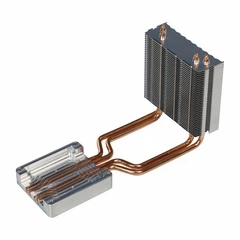
Can I use an all aluminum stacked radiator in a turbocharged engine?
As a supplier of all aluminum stacked radiators, I often receive inquiries from customers about the compatibility of our radiators with turbocharged engines. This question is crucial, especially considering the unique demands that turbocharged engines place on the cooling system. In this blog post, I'll delve into the technical aspects to help you understand whether an all aluminum stacked radiator is a suitable choice for your turbocharged engine.
Understanding Turbocharged Engines and Their Cooling Requirements
Turbocharged engines are designed to increase power output by forcing more air into the combustion chamber. This process generates a significant amount of heat, not only from the combustion itself but also from the turbocharger unit. The turbocharger compresses the incoming air, which raises its temperature substantially. As a result, the engine coolant has to dissipate more heat compared to a naturally - aspirated engine.
A turbocharged engine's cooling system must be able to handle the increased heat load effectively. If the cooling system fails to keep the engine at an optimal temperature, it can lead to a range of problems, including reduced engine performance, increased wear and tear on engine components, and in severe cases, engine failure.
Advantages of All Aluminum Stacked Radiators
All aluminum stacked radiators offer several advantages that make them a strong candidate for turbocharged engines.
-
High Thermal Conductivity
Aluminum is well - known for its excellent thermal conductivity. It can transfer heat more efficiently than many other materials commonly used in radiators, such as copper. This means that an all aluminum stacked radiator can quickly absorb the heat from the engine coolant and dissipate it into the surrounding air. For a turbocharged engine generating a large amount of heat, this high thermal conductivity is essential to maintain the engine's temperature within the safe operating range. -
Lightweight Design
Weight is an important factor in automotive applications, especially for high - performance turbocharged engines. All aluminum stacked radiators are significantly lighter than radiators made from other materials. A lighter radiator reduces the overall weight of the vehicle, which can improve fuel efficiency and handling. In a turbocharged engine, where every bit of weight reduction can enhance performance, the lightweight nature of an all aluminum stacked radiator is a major advantage. -
Corrosion Resistance
Aluminum has a natural oxide layer that provides a certain degree of corrosion resistance. This is particularly important in a cooling system, as coolant can be corrosive over time. A radiator that is resistant to corrosion will have a longer service life, reducing the need for frequent replacements. In a turbocharged engine, which often operates under more extreme conditions, the corrosion resistance of an all aluminum stacked radiator helps ensure the reliability of the cooling system. -
Compact Design
All aluminum stacked radiators can be designed in a more compact form compared to some other radiator types. This is beneficial for turbocharged engines, which are often installed in tight engine compartments. The compact design allows for easier installation and can also improve the overall aerodynamics of the vehicle by reducing the space occupied by the radiator.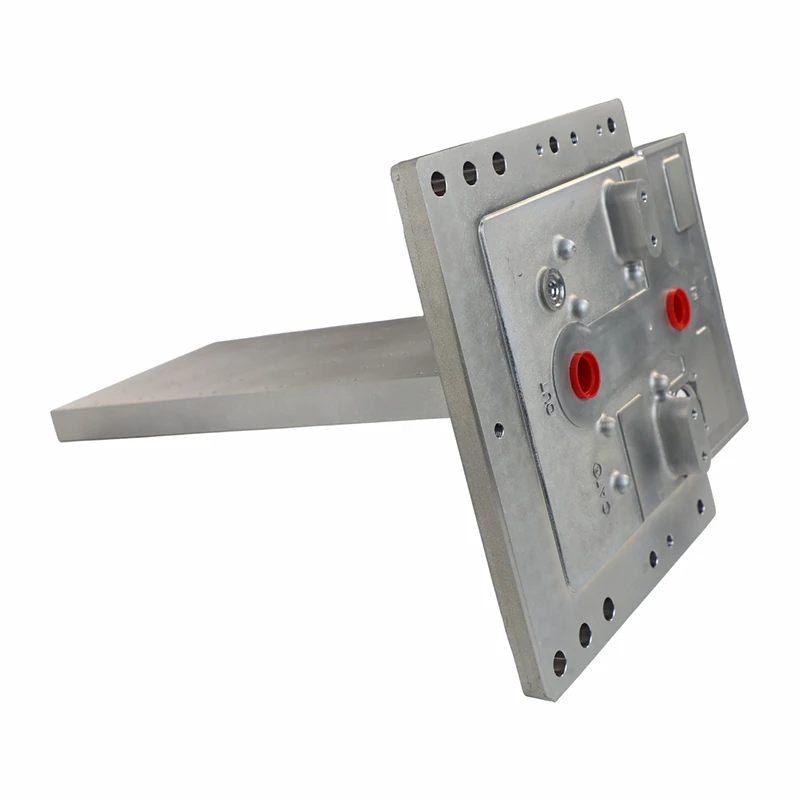
Considerations When Using All Aluminum Stacked Radiators in Turbocharged Engines
While all aluminum stacked radiators offer many advantages, there are also some considerations to keep in mind when using them in turbocharged engines.
-
Coolant Compatibility
It's important to ensure that the coolant used in the system is compatible with aluminum. Some coolants may contain chemicals that can react with aluminum and cause corrosion. Using a coolant specifically formulated for aluminum radiators is essential to prevent damage to the radiator and ensure its long - term performance. -
Heat Load Capacity
Although all aluminum stacked radiators have high thermal conductivity, it's crucial to select a radiator with a heat load capacity that matches the requirements of the turbocharged engine. The size, number of fins, and the overall design of the radiator all affect its ability to dissipate heat. An undersized radiator may not be able to handle the heat generated by the turbocharged engine, leading to overheating. -
Pressure Handling
Turbocharged engines often operate at higher pressures compared to naturally - aspirated engines. The all aluminum stacked radiator must be able to withstand these higher pressures without leaking or failing. It's important to choose a radiator that is designed to handle the specific pressure requirements of the turbocharged engine.
Our Product Range and Their Suitability for Turbocharged Engines
As a supplier, we offer a variety of all aluminum stacked radiators, as well as related products that can enhance the cooling performance of turbocharged engines.
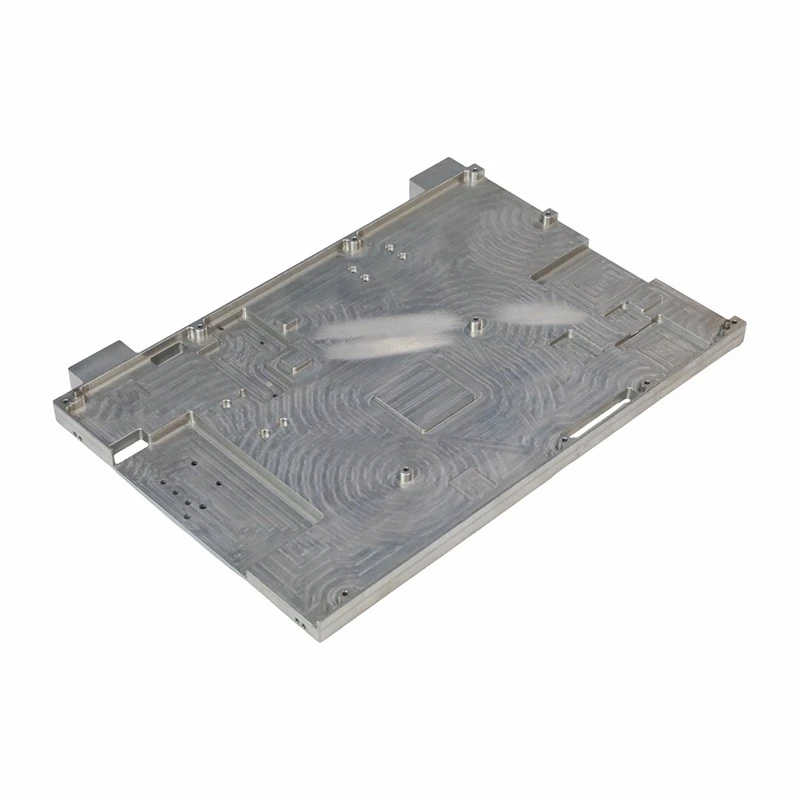
- Controllable Power Water Cooling Plate: This product can be used in conjunction with our all aluminum stacked radiators to provide additional cooling for specific engine components, such as the turbocharger itself. The controllable power feature allows for precise temperature control, which is especially important in a turbocharged engine where temperature management is critical.
- Black Skived Toothed Heat Sink: Our black skived toothed heat sink can be used to improve the heat dissipation of electronic components associated with the turbocharged engine, such as the engine control unit (ECU). The unique toothed design increases the surface area available for heat transfer, enhancing the cooling efficiency.
- Combination Aluminum Water Cooling Radiator: This radiator combines the advantages of an all aluminum stacked radiator with additional features to provide enhanced cooling performance. It is designed to handle the high heat loads generated by turbocharged engines, making it a great choice for applications where reliability and performance are key.
Conclusion
In conclusion, an all aluminum stacked radiator can be a suitable choice for a turbocharged engine. Its high thermal conductivity, lightweight design, corrosion resistance, and compact form make it well - suited to meet the demanding cooling requirements of turbocharged engines. However, it's important to consider factors such as coolant compatibility, heat load capacity, and pressure handling when selecting a radiator.
If you're looking for a reliable cooling solution for your turbocharged engine, we invite you to explore our range of all aluminum stacked radiators and related products. Our team of experts is ready to assist you in choosing the right product for your specific needs. Contact us to start a procurement discussion and find the perfect cooling solution for your turbocharged engine.
References
- Heywood, J. B. (1988). Internal Combustion Engine Fundamentals. McGraw - Hill.
- Stone, R. (1999). Introduction to Internal Combustion Engines. Society of Automotive Engineers.
- Incropera, F. P., & DeWitt, D. P. (2001). Fundamentals of Heat and Mass Transfer. John Wiley & Sons.