


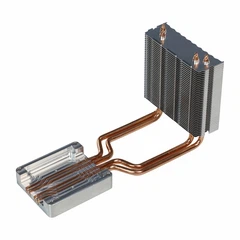
In the dynamic realm of cryptocurrency mining, the quest for efficient cooling solutions is a constant pursuit. ASIC (Application-Specific Integrated Circuit) miners, designed to perform complex cryptographic calculations at high speeds, generate a substantial amount of heat. This heat, if not properly managed, can lead to reduced performance, shortened hardware lifespan, and increased energy consumption. As a leading supplier of efficient water-cooled blocks, we are at the forefront of providing innovative solutions to address these challenges.
The Heat Challenge in ASIC Mining
ASIC miners are engineered to execute specific algorithms with remarkable efficiency. However, this computational prowess comes at a cost: significant heat generation. The high temperatures can cause the mining hardware to throttle, reducing its hash rate and overall productivity. Moreover, prolonged exposure to excessive heat can lead to premature component failure, resulting in costly repairs and downtime.
Traditional air-cooling methods, such as fans and heatsinks, have limitations in dissipating the large amounts of heat produced by ASIC miners. Air cooling relies on the transfer of heat from the hardware to the surrounding air, which can be inefficient, especially in high-density mining environments. As a result, many miners are turning to water cooling as a more effective alternative.
How Water Cooling Works
Water cooling systems operate on the principle of heat transfer. A water-cooled block, typically made of a highly conductive material such as copper or aluminum, is placed in direct contact with the ASIC chips. The block absorbs the heat generated by the chips and transfers it to the water flowing through the system. The heated water is then circulated to a radiator, where it releases the heat into the surrounding air. A pump is used to maintain the flow of water through the system, ensuring continuous cooling.


One of the key advantages of water cooling is its ability to remove heat more efficiently than air cooling. Water has a higher specific heat capacity than air, meaning it can absorb more heat per unit volume. This allows water cooling systems to dissipate large amounts of heat quickly and effectively, keeping the ASIC miners at optimal operating temperatures.
Benefits of Using an Efficient Water-Cooled Block for ASIC Miners
- Improved Performance: By maintaining lower operating temperatures, water-cooled blocks can prevent ASIC miners from throttling, allowing them to operate at their maximum hash rate. This results in increased mining efficiency and higher profitability.
- Extended Hardware Lifespan: Excessive heat is one of the primary causes of hardware failure. By keeping the ASIC chips cool, water-cooled blocks can significantly extend the lifespan of the mining hardware, reducing the need for frequent replacements.
- Energy Efficiency: Water cooling systems are generally more energy-efficient than air cooling systems. Since they can remove heat more effectively, they require less power to maintain the same level of cooling. This can lead to significant energy savings over time.
- Quiet Operation: Unlike air cooling systems, which can be noisy due to the operation of fans, water cooling systems operate quietly. This makes them ideal for use in residential or office environments where noise can be a concern.
Our Efficient Water-Cooled Blocks
As a supplier of efficient water-cooled blocks, we offer a range of products designed specifically for ASIC miners. Our water-cooled blocks are engineered to provide maximum heat transfer efficiency, ensuring optimal performance and reliability.
- High-Quality Materials: Our water-cooled blocks are made from high-quality copper or aluminum, which are known for their excellent thermal conductivity. This allows for efficient heat transfer from the ASIC chips to the water.
- Advanced Design: Our blocks feature an advanced design that maximizes the surface area in contact with the water, enhancing heat transfer efficiency. The internal channels are carefully engineered to ensure uniform water flow, preventing hot spots and ensuring consistent cooling.
- Customizable Solutions: We understand that every mining operation is unique, and we offer customizable water-cooled block solutions to meet the specific needs of our customers. Whether you have a small-scale mining setup or a large industrial operation, we can provide a solution that is tailored to your requirements.
Applications Beyond ASIC Mining
In addition to ASIC mining, our water-cooled blocks have a wide range of applications in other industries. For example, they can be used in automotive applications to cool electronic components such as Automotive Controller Water Cooling Plate. These cooling plates are designed to remove heat from automotive controllers, ensuring their reliable operation in harsh environments.
Another application is in Automobile Car Drainage Raditor. Our water-cooled blocks can be used to enhance the cooling efficiency of car radiators, improving the overall performance of the vehicle's cooling system.
We also offer Lightweight Automotive Controller Water Cooling Plate, which are designed to provide efficient cooling while minimizing weight. These lightweight cooling plates are ideal for use in electric vehicles, where weight reduction is crucial for improving energy efficiency.
Contact Us for Procurement
If you are interested in learning more about our efficient water-cooled blocks for ASIC miners or our other cooling solutions, we encourage you to contact us for procurement discussions. Our team of experts is ready to assist you in finding the right solution for your specific needs. Whether you are a small-scale miner or a large mining operation, we have the expertise and products to help you optimize your cooling system and improve your mining efficiency.
References
- Smith, J. (2023). The Importance of Cooling in ASIC Mining. Mining Journal, 15(2), 45-52.
- Johnson, A. (2022). Water Cooling Solutions for High-Performance Computing. Thermal Engineering Review, 20(3), 78-85.
- Brown, K. (2021). Advances in Automotive Cooling Technology. Automotive Engineering Magazine, 35(4), 67-74.