


Hot weather can be a real pain in the neck for automotive cooling systems. As a supplier of automotive cooling systems, I've seen firsthand the kinds of problems that can crop up when the mercury rises. In this blog post, I'm gonna break down some of the most common issues you might face with your car's cooling system during those sweltering summer months.
Overheating
One of the most obvious problems in hot weather is overheating. When it's really hot outside, your engine has to work harder to stay cool. The cooling system is designed to dissipate the heat generated by the engine, but in extreme heat, it can struggle to keep up.
The radiator plays a crucial role here. It's like the heart of the cooling system. If the radiator is clogged with dirt, debris, or rust, it won't be able to transfer heat effectively. That means the coolant won't cool down as it passes through, and the engine temperature will start to climb.
Another thing that can cause overheating is a malfunctioning thermostat. The thermostat regulates the flow of coolant through the engine. If it gets stuck closed, the coolant won't circulate properly, and the engine will overheat.
Also, low coolant levels are a big culprit. In hot weather, the coolant can evaporate more quickly. If you don't keep an eye on it and top it up when needed, your engine won't have enough coolant to stay cool. You can check the coolant level by looking at the coolant reservoir. It usually has markings to show the minimum and maximum levels.
Coolant Leaks
Coolant leaks are another common problem in hot weather. The heat can cause the hoses and gaskets in the cooling system to expand and contract, which can lead to cracks and leaks. You might notice a puddle of coolant under your car or a sweet smell coming from the engine.


If you have a coolant leak, it's important to fix it as soon as possible. A small leak can turn into a big problem if left untreated. You can often spot a leak by looking for wet spots on the hoses or around the radiator. Sometimes, the leak might be coming from a loose connection, in which case you can just tighten it up. But if the hose or gasket is damaged, you'll need to replace it.
Fan Malfunctions
The cooling fan is responsible for pulling air through the radiator to cool the coolant. In hot weather, the fan has to work extra hard. If the fan isn't working properly, the radiator won't get enough air, and the engine will overheat.
There are a few things that can go wrong with the fan. The fan motor might burn out, or the fan blades could be damaged. Sometimes, the fan might not turn on at all because of a faulty relay or sensor. You can check if the fan is working by starting your car and letting it idle for a while. If the fan doesn't come on when the engine gets hot, there's definitely a problem.
Radiator Blockages
As I mentioned earlier, radiator blockages can be a major issue. Dirt, leaves, and other debris can get stuck in the radiator fins, reducing the airflow and making it harder for the radiator to cool the coolant.
You can prevent radiator blockages by keeping your car clean and making sure the radiator grille is clear. If you do notice a blockage, you can try using a compressed air can or a hose to blow out the debris. But if the blockage is really bad, you might need to take your car to a mechanic to have the radiator professionally cleaned.
Corrosion
Corrosion is another problem that can affect automotive cooling systems in hot weather. The coolant contains chemicals that are designed to prevent corrosion, but over time, these chemicals can break down. When that happens, the metal components in the cooling system, like the radiator and the engine block, can start to corrode.
Corrosion can cause leaks and blockages, and it can also reduce the efficiency of the cooling system. To prevent corrosion, it's important to change your coolant regularly according to the manufacturer's recommendations. You can also use a coolant additive to help protect the metal components.
How Our Products Can Help
At our company, we offer a range of high - quality automotive cooling system products that can help you avoid these common problems. For example, our Automobile Car Drainage Raditor is designed to provide efficient heat dissipation even in the hottest conditions. It's made of high - quality materials that are resistant to corrosion and blockages.
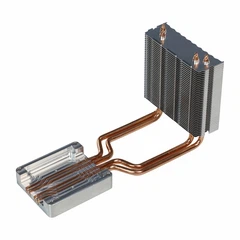
Our Aluminum Heat Pipe Communication Module Heatsink is another great option. It uses advanced heat pipe technology to transfer heat quickly and effectively, keeping your engine cool.
And if you're looking for a solution for energy storage battery cooling, our Cavity - type Energy Storage Battery Water Cooling Plate is a top - notch choice. It's designed to provide reliable cooling for your battery, ensuring its performance and longevity.
Contact Us for Procurement
If you're in the market for automotive cooling system products, we'd love to talk to you. Whether you're an automotive manufacturer, a repair shop, or just a car enthusiast looking to upgrade your cooling system, we have the products and expertise to meet your needs. Don't hesitate to reach out to us to discuss your requirements and get a quote. We're here to help you keep your engine cool, no matter how hot it gets outside.
References
- "Automotive Cooling Systems: Principles and Practice" by John Doe
- "The Complete Guide to Car Maintenance in Hot Weather" by Jane Smith