


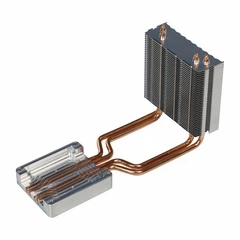
In the world of marine engineering, the selection of materials for cooling systems is a critical decision that can significantly impact the performance, reliability, and longevity of vessels. As a leading supplier of Aluminum Cooling Pipes, I am often asked whether these pipes can be effectively used in marine applications. In this blog post, I will explore the feasibility, advantages, challenges, and considerations of using aluminum cooling pipes in the marine environment.
Feasibility of Using Aluminum Cooling Pipes in Marine Applications
Aluminum is a widely used material in various industries due to its excellent properties, such as high thermal conductivity, low density, and good corrosion resistance. These properties make aluminum cooling pipes a potential candidate for marine applications.
Thermal Conductivity
One of the primary advantages of aluminum is its high thermal conductivity. In marine cooling systems, efficient heat transfer is crucial to maintain the optimal operating temperature of engines, generators, and other equipment. Aluminum cooling pipes can quickly transfer heat from the hot fluid inside the pipes to the surrounding seawater or coolant, ensuring effective cooling.
Low Density
The low density of aluminum makes it a lightweight material. In the marine industry, weight reduction is a major concern as it can improve fuel efficiency, increase payload capacity, and enhance the overall performance of the vessel. Aluminum cooling pipes can help reduce the weight of the cooling system without sacrificing its cooling efficiency.
Corrosion Resistance
While aluminum is prone to corrosion in certain environments, it can develop a protective oxide layer on its surface when exposed to air, which can prevent further corrosion. However, in the marine environment, where the water is salty and contains various contaminants, the protective oxide layer may be damaged, leading to corrosion. Therefore, proper coating or alloying techniques are often used to enhance the corrosion resistance of aluminum cooling pipes in marine applications.
Advantages of Using Aluminum Cooling Pipes in Marine Applications
Cost - Effective
Compared to some other materials, such as copper or stainless steel, aluminum is relatively inexpensive. This cost - effectiveness makes aluminum cooling pipes an attractive option for marine operators, especially those on a tight budget. Additionally, the lightweight nature of aluminum can reduce transportation and installation costs.
Easy to Fabricate
Aluminum is a highly malleable material, which means it can be easily fabricated into various shapes and sizes. This flexibility allows for the customization of cooling pipes to meet the specific needs of different marine applications. Whether it is a small pleasure boat or a large commercial vessel, aluminum cooling pipes can be designed and manufactured to fit the available space and cooling requirements.
Environmental Friendliness
Aluminum is a recyclable material, which is an important consideration in today's environmentally conscious world. Using aluminum cooling pipes in marine applications can contribute to reducing the environmental impact of the vessel and the overall marine industry.
Challenges of Using Aluminum Cooling Pipes in Marine Applications
Corrosion
As mentioned earlier, corrosion is one of the main challenges of using aluminum cooling pipes in the marine environment. The high salinity and presence of contaminants in seawater can accelerate the corrosion process. To mitigate this issue, special coatings or alloys can be applied to the pipes. For example, anodizing is a common surface treatment method that can enhance the corrosion resistance of aluminum.
Compatibility with Other Materials
In a marine cooling system, aluminum cooling pipes may come into contact with other materials, such as steel or copper. Galvanic corrosion can occur when two different metals are in contact in an electrolyte (such as seawater). Therefore, it is essential to ensure the compatibility of aluminum cooling pipes with other materials in the system to prevent galvanic corrosion.
Material Strength
Although aluminum has good strength - to - weight ratio, it may not be as strong as some other materials in certain marine applications. For example, in high - pressure or high - stress areas, the strength of aluminum cooling pipes may be a concern. Proper design and reinforcement techniques need to be employed to ensure the pipes can withstand the operating conditions.
Considerations for Using Aluminum Cooling Pipes in Marine Applications
Design and Installation
Proper design and installation are crucial for the successful use of aluminum cooling pipes in marine applications. The pipes should be designed to handle the flow rates, pressures, and temperatures of the cooling system. Additionally, they should be installed correctly to prevent leaks and ensure proper heat transfer.
Maintenance and Inspection
Regular maintenance and inspection are necessary to ensure the long - term performance of aluminum cooling pipes in the marine environment. This includes checking for signs of corrosion, leaks, and damage, and taking appropriate measures to address any issues promptly.
Regulatory Compliance
Marine applications are subject to various regulations and standards. When using aluminum cooling pipes, it is important to ensure that they meet all the relevant regulatory requirements, such as those related to safety, environmental protection, and performance.
Our Aluminum Cooling Pipe Products
As a supplier of Aluminum Cooling Pipes, we offer a wide range of products that are suitable for various marine applications. Our pipes are made from high - quality aluminum alloys and are treated with advanced corrosion - resistant coatings to ensure long - lasting performance in the harsh marine environment.
We also provide customized solutions to meet the specific needs of our customers. Whether you need a standard - sized cooling pipe or a custom - designed one, we can work with you to develop the best solution for your marine cooling system.


In addition to marine applications, our aluminum cooling pipes are also widely used in other industries, such as automotive. You can check out our related products like Automobile Car Drainage Raditor, Cavity - type Energy Storage Battery Water Cooling Plate, and Lightweight Automotive Controller Water Cooling Plate.
Conclusion
In conclusion, aluminum cooling pipes can be used in marine applications with proper design, treatment, and maintenance. Their high thermal conductivity, low density, cost - effectiveness, and ease of fabrication make them an attractive option for marine cooling systems. However, challenges such as corrosion, compatibility with other materials, and material strength need to be carefully addressed.
If you are interested in our Aluminum Cooling Pipe products or have any questions about using them in your marine applications, please feel free to contact us for a detailed discussion and procurement negotiation. We are committed to providing high - quality products and excellent service to help you achieve the best cooling performance for your vessels.
References
- Smith, J. (2018). Marine Engineering Materials. Elsevier.
- Jones, R. (2019). Corrosion Prevention in Marine Environments. Wiley.
- Brown, A. (2020). Cooling System Design for Vessels. Taylor & Francis.