


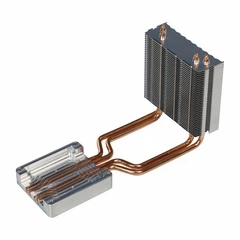
Hey there! I'm a supplier of cavity water cooling plates, and today I want to dive into an interesting question: Can a cavity water cooling plate be used in a geothermal energy system?
First off, let's quickly go over what a cavity water cooling plate is. It's a nifty piece of equipment that's designed to transfer heat efficiently. It has these cavities inside where water can flow, and as the water moves through, it absorbs heat from the surrounding environment. This basic principle of heat transfer is what makes it so useful in a bunch of different applications.


Now, let's talk about geothermal energy systems. These systems tap into the Earth's natural heat. The ground, especially at a certain depth, maintains a relatively constant temperature throughout the year. Geothermal systems use this stable temperature to heat or cool buildings. There are different types of geothermal systems, like closed - loop and open - loop systems. In a closed - loop system, a fluid (usually a mixture of water and antifreeze) circulates through pipes buried underground, either horizontally or vertically. The fluid absorbs heat from the ground in the winter and releases heat into the ground in the summer.
So, can a cavity water cooling plate fit into this setup? Well, there are definitely some potential benefits.
One big advantage is the high heat transfer efficiency. Cavity water cooling plates are designed to maximize the contact area between the water and the surface that needs to be cooled or heated. In a geothermal system, this could mean more efficient heat exchange between the fluid in the geothermal loop and the building's heating or cooling system. For example, if you're using a geothermal heat pump to heat your home, the cavity water cooling plate could help transfer the heat from the geothermal fluid to the refrigerant in the heat pump more effectively. This would lead to less energy consumption and lower utility bills.
Another benefit is the flexibility. Cavity water cooling plates can be customized in terms of size, shape, and the number of cavities. This means they can be tailored to fit different geothermal system designs. Whether you have a small residential geothermal setup or a large commercial one, a well - designed cavity water cooling plate can be integrated into the system.
Let's take a look at some of our related products that show our expertise in heat transfer technology. We also offer the Aluminum Heat Pipe Communication Module Heatsink, which uses advanced heat pipe technology to dissipate heat in communication modules. This shows our ability to work with different heat transfer methods and materials. And then there's the Automotive Controller Water Cooling Plate, which is designed to cool automotive controllers efficiently. It's a testament to our precision in manufacturing water cooling plates for high - performance applications. Also, the Automobile Car Drainage Raditor showcases our experience in the automotive radiator field, where heat transfer is crucial.
However, there are also some challenges to consider when using a cavity water cooling plate in a geothermal energy system.
One issue is the potential for corrosion. The water in the geothermal loop may contain minerals and other substances that could cause corrosion over time. This could damage the cavity water cooling plate and reduce its efficiency. To combat this, we need to use corrosion - resistant materials and coatings. For example, using high - quality stainless steel or applying a special anti - corrosion coating can help extend the lifespan of the plate.
Another challenge is the installation complexity. Geothermal systems are already quite complex, and adding a cavity water cooling plate means more components to install and maintain. Proper installation is crucial to ensure that the plate works effectively and doesn't cause any issues in the overall system. It's important to have a professional who understands both geothermal systems and cavity water cooling plates handle the installation.
In terms of cost, cavity water cooling plates can be more expensive than some traditional heat exchange components. But when you consider the long - term energy savings and the improved efficiency they can bring to a geothermal system, the investment might be worth it.
To sum it up, a cavity water cooling plate can definitely be used in a geothermal energy system. It offers high heat transfer efficiency and flexibility, but it also comes with challenges like corrosion and installation complexity. If you're thinking about upgrading or building a new geothermal system, it's worth considering a cavity water cooling plate as part of the setup.
If you're interested in learning more about how our cavity water cooling plates can fit into your geothermal energy system, or if you want to discuss a custom solution for your specific needs, don't hesitate to reach out. We're here to help you make the most of your geothermal investment.
References
- "Geothermal Heating & Cooling Systems" - Energy.gov
- "Heat Transfer Principles and Applications" - Various engineering textbooks
- Industry reports on heat exchange equipment for renewable energy systems