


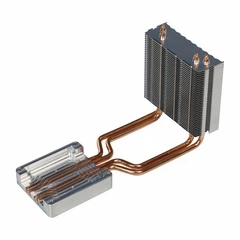
Hey there! As a supplier of All Aluminum Stacked Radiators, I often get asked this question: Are all aluminum stacked radiators more expensive than regular radiators? Well, let's dive right into it and break it down.
First off, we need to understand what aluminum stacked radiators and regular radiators are. Aluminum stacked radiators are made by stacking multiple layers of aluminum fins and tubes together. This design allows for a larger surface area, which means better heat transfer. On the other hand, regular radiators can be made from a variety of materials like copper, brass, or even plastic, and they usually have a more traditional design.
Now, when it comes to cost, there are a few factors that come into play. The material is a big one. Aluminum is generally more expensive than some of the materials used in regular radiators, like plastic. But it's also lighter and more corrosion - resistant. So, if you're looking for a radiator that will last a long time and can handle tough conditions, the higher initial cost of aluminum might be worth it.
Another factor is the manufacturing process. Making an aluminum stacked radiator is a bit more complex than making a regular radiator. The stacking process requires precision to ensure that the fins and tubes are properly aligned for optimal heat transfer. This means more labor and potentially more expensive equipment, which can drive up the price.
However, it's not always the case that aluminum stacked radiators are more expensive. In some situations, if you're comparing a high - end regular radiator made from premium materials like copper with a basic aluminum stacked radiator, the regular one might actually cost more. It all depends on the quality and specifications of each radiator.
Let's talk about the benefits of aluminum stacked radiators. Their superior heat transfer capabilities mean that they can cool more efficiently. This can lead to energy savings in the long run, as your cooling system won't have to work as hard. They're also more durable. Aluminum is resistant to rust and corrosion, so you won't have to worry about replacing your radiator as often.
Now, if you're in the market for a radiator, you might be interested in some of the other products we offer. We have the Controllable Power Water Cooling Plate, which is great for applications where you need precise control over the cooling process. It's designed to work with a variety of power systems and can be adjusted to meet your specific needs.
Our Air - Cooled Laser Module Heatsink is another cool product. It's specifically designed for laser modules, which generate a lot of heat. This heatsink can effectively dissipate that heat, ensuring that your laser module operates at its best.
And then there's the Combination Water Cooling Radiator. This radiator combines the benefits of water cooling and air cooling, providing a highly efficient cooling solution. It's perfect for applications where you need a powerful yet compact radiator.
So, are all aluminum stacked radiators more expensive than regular radiators? The answer is no. It really depends on a bunch of factors, including the quality, materials, and manufacturing process. But what I can say for sure is that aluminum stacked radiators offer a lot of benefits that can make them a great investment.
If you're interested in learning more about our aluminum stacked radiators or any of our other products, feel free to reach out to us. We're always happy to have a chat and help you find the right radiator for your needs. Whether you're in a small business looking for a cost - effective cooling solution or a large industrial operation that needs high - performance radiators, we've got you covered.


Let's work together to find the perfect radiator for your application. I'm looking forward to hearing from you and discussing how we can meet your cooling requirements.
References
- General knowledge of radiator manufacturing and materials.
- Industry research on the cost and performance of different types of radiators.