


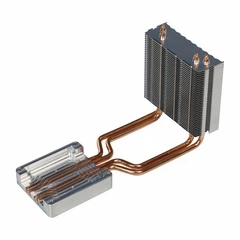
Hey there! As a supplier of efficient water cooled blocks, I've seen firsthand how important proper maintenance is to keep these bad boys running at their best. In this blog post, I'm gonna share with you all the maintenance tips you need to know to make sure your water cooled blocks are as efficient as possible.
Regular Cleaning
One of the most crucial aspects of maintaining an efficient water cooled block is regular cleaning. Over time, dust, debris, and even biological growth can accumulate inside the block, which can significantly reduce its cooling efficiency. To clean your water cooled block, you'll first need to shut down the system and disconnect it from the power source. This is super important for your safety.
Once the system is off, carefully remove the water cooled block from the device it's attached to. You can use a soft brush, like a toothbrush, to gently scrub away any visible dirt or debris on the surface of the block. For the internal channels, a mixture of distilled water and a mild cleaning solution can be used. Make sure to flush the block thoroughly with distilled water after using the cleaning solution to remove any residue.
Checking for Leaks
Leaks are another common issue that can affect the performance of water cooled blocks. Even a small leak can lead to a loss of coolant, which in turn can cause the block to overheat. To check for leaks, you should visually inspect the block and all the connected tubing regularly. Look for any signs of moisture, such as water droplets or damp spots.
If you suspect a leak, you can perform a pressure test. This involves pressurizing the cooling system slightly and monitoring the pressure over a period of time. If the pressure drops, it's a clear indication that there's a leak somewhere. Once you've identified the source of the leak, you'll need to repair or replace the faulty component. This could be a damaged O - ring, a cracked block, or a loose connection.
Coolant Maintenance
The coolant in your water cooled block plays a vital role in its cooling efficiency. Over time, the coolant can break down, lose its effectiveness, and even become a breeding ground for bacteria. That's why it's important to change the coolant regularly. The frequency of coolant changes depends on several factors, such as the type of coolant used and the operating conditions of the system.
In general, it's recommended to change the coolant every 6 - 12 months. When changing the coolant, make sure to use a high - quality coolant that's specifically designed for water cooling systems. Avoid using tap water, as it contains minerals and impurities that can cause corrosion and clog the internal channels of the block.
Inspecting the Fittings and Tubing
The fittings and tubing that connect the water cooled block to the rest of the cooling system also need regular inspection. Over time, the fittings can become loose, and the tubing can develop cracks or kinks. Loose fittings can lead to leaks, while cracked or kinked tubing can restrict the flow of coolant, reducing the cooling efficiency.
Check the fittings regularly to make sure they're tight. If you notice any signs of wear or damage, replace them immediately. For the tubing, look for any visible cracks, bulges, or kinks. If you find any issues, replace the tubing with a new one that's the right size and material for your system.
Monitoring the Temperature
Monitoring the temperature of your water cooled block is a great way to ensure its efficiency. You can use temperature sensors to keep track of the temperature of the block and the coolant. If you notice a significant increase in temperature, it could be a sign of a problem, such as a blockage in the internal channels, a failing pump, or a leak.
By regularly monitoring the temperature, you can catch these issues early and take the necessary steps to fix them before they cause serious damage to your system. There are many software tools available that can help you monitor the temperature of your water cooled block and other components in your system.


Importance of Proper Installation
Proper installation is also key to the long - term efficiency of your water cooled block. Make sure to follow the manufacturer's instructions carefully when installing the block. This includes applying the right amount of thermal paste, tightening the mounting screws evenly, and ensuring that all the connections are secure.
A poorly installed water cooled block can lead to poor thermal contact, which can reduce the cooling efficiency. It can also increase the risk of leaks and other issues. So, take your time during the installation process to make sure everything is done correctly.
Related Products
If you're in the market for high - quality cooling solutions, we also offer a range of related products. For example, our Automotive Controller Water Cooling Plate is designed to provide efficient cooling for automotive controllers. It's made from high - quality materials and is built to last.
Our Automobile Car Drainage Raditor is another great option for those looking for reliable cooling solutions for their cars. It's designed to effectively drain and cool the engine, ensuring optimal performance.
And if you're in the communication industry, our Aluminum Heat Pipe Communication Module Heatsink is a top - notch choice. It uses advanced heat pipe technology to provide efficient cooling for communication modules.
Conclusion
Maintaining an efficient water cooled block is essential for its long - term performance and reliability. By following these maintenance tips, you can ensure that your water cooled block continues to provide excellent cooling for your system. If you have any questions or are interested in purchasing our water cooled blocks or related products, don't hesitate to reach out. We're here to help you find the best cooling solutions for your needs.
References
- Cooling System Maintenance Guides from Industry Experts
- Manufacturer's Manuals for Water Cooled Blocks