


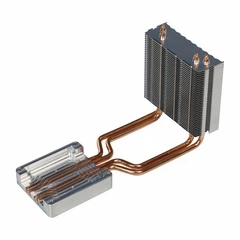
Maintaining an efficient water-cooled block is crucial for ensuring optimal performance and longevity of your cooling system. As a leading supplier of high-quality water-cooled blocks, I understand the importance of regular maintenance to keep your equipment running smoothly. In this blog post, I will discuss the factors that influence the maintenance frequency of an efficient water-cooled block and provide some guidelines to help you determine the best maintenance schedule for your specific needs.
Factors Affecting Maintenance Frequency
Several factors can influence how often you need to maintain your water-cooled block. Understanding these factors will help you make an informed decision about the appropriate maintenance frequency for your system.
Operating Environment
The environment in which your water-cooled block operates plays a significant role in determining the maintenance frequency. If your system is located in a dirty or dusty environment, it will accumulate debris more quickly, which can clog the cooling channels and reduce the efficiency of the block. In such cases, more frequent maintenance may be required to prevent blockages and ensure proper cooling.
Water Quality
The quality of the water used in your cooling system is another important factor. Hard water contains minerals such as calcium and magnesium, which can form scale deposits inside the water-cooled block over time. These deposits can insulate the block and reduce its ability to transfer heat effectively. Using deionized or distilled water can help minimize scale buildup, but it is still important to monitor the water quality regularly and perform maintenance as needed.
Usage Intensity
The intensity of use also affects the maintenance frequency. If your water-cooled block is used continuously or under heavy loads, it will experience more wear and tear than a system that is used less frequently. In high-demand applications, such as data centers or industrial equipment, more frequent maintenance may be necessary to prevent overheating and ensure reliable operation.
Design and Construction
The design and construction of the water-cooled block can also impact its maintenance requirements. Some blocks are designed with features that make them easier to clean and maintain, such as removable end caps or accessible cooling channels. Additionally, blocks made from high-quality materials are generally more durable and require less frequent maintenance.
Recommended Maintenance Frequency
Based on the factors mentioned above, here are some general guidelines for the maintenance frequency of an efficient water-cooled block:


Visual Inspection
It is recommended to perform a visual inspection of your water-cooled block at least once a month. Check for any signs of leaks, corrosion, or blockages. Look for discoloration or buildup inside the block, as well as any damage to the tubing or fittings. If you notice any issues, address them immediately to prevent further damage.
Water Quality Testing
Test the water quality in your cooling system every three to six months. You can use a water testing kit to measure the pH level, conductivity, and hardness of the water. If the water quality is poor, consider replacing the water or using a water treatment solution to remove impurities.
Cleaning
Depending on the operating conditions, it is generally recommended to clean your water-cooled block every six to twelve months. This involves flushing the block with a cleaning solution to remove any scale deposits or debris. Follow the manufacturer's instructions for cleaning to ensure that you do not damage the block.
Component Replacement
Over time, certain components of the water-cooled block may wear out and need to be replaced. This includes gaskets, O-rings, and pumps. Check the manufacturer's recommendations for the replacement intervals of these components and perform replacements as needed to maintain optimal performance.
Maintenance Procedures
Here are some step-by-step maintenance procedures for your water-cooled block:
Flushing the System
- Turn off the power to the equipment and allow it to cool down.
- Drain the water from the cooling system.
- Disconnect the water-cooled block from the system.
- Fill a container with a suitable cleaning solution, such as a mixture of water and vinegar or a commercial cooling system cleaner.
- Immerse the water-cooled block in the cleaning solution and let it soak for the recommended time.
- Use a soft brush or a small pipe cleaner to gently scrub the inside of the block to remove any stubborn deposits.
- Rinse the block thoroughly with clean water to remove the cleaning solution.
- Reconnect the block to the system and refill it with fresh water.
Checking for Leaks
- After refilling the system, check for any signs of leaks around the connections and fittings.
- Look for drips, puddles, or wet spots on the block or the surrounding area.
- If you find a leak, tighten the connections or replace any damaged gaskets or O-rings.
Monitoring Performance
Regularly monitor the performance of your water-cooled block by checking the temperature of the equipment it is cooling. If you notice a significant increase in temperature or a decrease in cooling efficiency, it may be a sign that maintenance is required.
Conclusion
Maintaining an efficient water-cooled block is essential for ensuring optimal performance and reliability of your cooling system. By considering the operating environment, water quality, usage intensity, and design of the block, you can determine the appropriate maintenance frequency for your specific needs. Following the recommended maintenance procedures and performing regular inspections will help extend the lifespan of your water-cooled block and prevent costly breakdowns.
If you are in the market for a high-quality water-cooled block or need more information about maintenance and support, we are here to help. Our company offers a wide range of Automotive Controller Water Cooling Plate, Aluminum Heat Pipe Communication Module Heatsink, and Lightweight Automotive Controller Water Cooling Plate designed to meet the needs of various applications. Contact us today to discuss your requirements and explore how our products can enhance your cooling system.
References
- "Thermal Management Handbook" by P. K. Nag
- "Water Cooling Systems for Electronics" by E. A. Tzeng and Y. S. Lin
- Manufacturer's specifications and documentation for water-cooled blocks