


Hey there! As a supplier of cooling system components, I've seen my fair share of issues with coolant level sensors. A coolant level sensor is a crucial part of a vehicle's cooling system, helping to monitor the amount of coolant in the radiator. When it malfunctions, it can lead to some serious problems. So, let's dive into the signs that your coolant level sensor might be acting up.
Warning Lights Galore
One of the most obvious signs of a malfunctioning coolant level sensor is the illumination of the coolant level warning light on your dashboard. This light is there to alert you when the coolant level is low. But if the sensor is faulty, it might trigger the light even when the coolant level is fine. Or, conversely, it might not light up when the coolant is actually low. This can be really dangerous because you won't know if your engine is at risk of overheating.
Inaccurate Readings on the Gauge
Most vehicles have a coolant level gauge on the dashboard that shows the amount of coolant in the radiator. If the coolant level sensor is malfunctioning, the gauge might give inaccurate readings. You might see the gauge indicating that the coolant level is full when it's actually low, or vice versa. This can make it difficult to keep track of your coolant levels and take appropriate action when needed.
Engine Overheating
A malfunctioning coolant level sensor can also lead to engine overheating. If the sensor fails to detect a low coolant level, the engine might not receive enough coolant to keep it cool. As a result, the engine temperature can rise rapidly, leading to overheating. This can cause serious damage to the engine, including warped cylinder heads, blown head gaskets, and even engine failure.


Coolant Leaks
Another sign of a malfunctioning coolant level sensor is coolant leaks. If the sensor is not working properly, it might not detect a coolant leak, allowing the coolant to escape without your knowledge. You might notice puddles of coolant under your vehicle or a sweet smell coming from the engine compartment. Coolant leaks can be caused by a variety of factors, including a damaged radiator, a loose hose, or a faulty water pump.
Strange Noises
In some cases, a malfunctioning coolant level sensor can cause strange noises to come from the engine. This might be due to the engine overheating or the coolant not circulating properly. You might hear a hissing sound, a knocking sound, or a whining sound. If you hear any strange noises coming from your engine, it's important to have it checked out by a professional as soon as possible.
Poor Fuel Economy
A malfunctioning coolant level sensor can also affect your vehicle's fuel economy. If the engine is overheating, it has to work harder to maintain its performance, which can lead to increased fuel consumption. Additionally, if the coolant level is low, the engine might not be able to operate at its optimal temperature, which can also affect fuel economy.
How to Fix a Malfunctioning Coolant Level Sensor
If you suspect that your coolant level sensor is malfunctioning, the first thing you should do is have it checked by a professional mechanic. They can use a diagnostic tool to determine if the sensor is working properly and if there are any other issues with the cooling system. If the sensor is found to be faulty, it will need to be replaced.
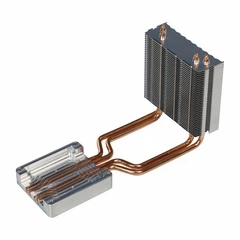
At our company, we offer a wide range of high-quality cooling system components, including coolant level sensors. Our Aluminum Heat Pipe Communication Module Heatsink and Lightweight Automotive Controller Water Cooling Plate are designed to provide efficient cooling for your vehicle. We also have the Automotive Controller Water Cooling Plate that can help keep your engine running smoothly.
If you're in the market for cooling system components, we'd love to hear from you. Whether you're a mechanic, a car enthusiast, or a fleet manager, we can provide you with the products and support you need. Contact us today to discuss your requirements and get a quote.
References
- "Automotive Cooling Systems: Principles and Practice" by John Heywood
- "The Automotive Handbook" by Bosch
- Various automotive repair manuals and online resources