


Hey there! As a supplier of the Tunnel brazing process, I've seen firsthand how crucial the post-treatment phase is. Tunnel brazing is a top - notch method for joining metal components, often used in industries like automotive and electronics. But what many folks don't realize is that the steps after the actual brazing can make or break the final product's quality. So, let's dig into the key points of post - treatment after the tunnel brazing process.
1. Cleaning
The first and foremost step in post - treatment is cleaning. During the tunnel brazing process, flux residues are left behind on the brazed parts. These residues can be corrosive over time and can also affect the appearance of the final product.
We use different cleaning methods depending on the type of flux used. For water - soluble fluxes, a simple water rinse can do the trick. But for more stubborn fluxes, we might use a mild detergent solution. Ultrasonic cleaning is also a great option. It uses high - frequency sound waves to create tiny bubbles in the cleaning solution. These bubbles collapse near the surface of the brazed part, removing dirt and flux residues effectively.
After cleaning, it's essential to dry the parts thoroughly. Any remaining moisture can lead to corrosion. We usually use hot air blowers or ovens set at a low temperature to ensure all the moisture is gone.
2. Inspection
Once the parts are clean and dry, it's time for inspection. This step is super important as it helps us catch any defects early on. We use both visual and non - destructive testing methods.
Visual inspection is the most basic. We just look at the brazed joints with our eyes to check for any obvious signs of problems like cracks, porosity, or incomplete brazing. Magnifying glasses can be used for a more detailed look.
Non - destructive testing methods are also used, especially for high - quality applications. X - ray inspection is great for detecting internal defects in the brazed joints. It can show us if there are any voids or inclusions that we can't see from the outside. Eddy - current testing is another option. It can detect surface and near - surface defects in conductive materials.
3. Surface Finishing
Surface finishing is all about enhancing the appearance and performance of the brazed parts. There are several techniques we can use.
One common method is painting. A good coat of paint can protect the parts from corrosion and give them a nice look. We choose paints that are compatible with the material of the brazed parts. For example, if we're dealing with aluminum parts, we'll use paints that are specifically formulated for aluminum.
Another option is plating. Plating can add a layer of protection and improve the electrical conductivity of the parts. Nickel plating is often used for its corrosion resistance and good electrical properties. Chrome plating can give the parts a shiny, decorative finish.
4. Stress Relief
During the tunnel brazing process, thermal stresses are introduced into the parts. These stresses can cause distortion or even cracking over time. That's why stress relief is an important post - treatment step.
We usually heat the brazed parts to a specific temperature and hold them there for a certain period. This temperature is below the melting point of the brazing filler metal but high enough to relieve the internal stresses. After that, we cool the parts slowly to avoid creating new stresses.
5. Quality Control Documentation
Last but not least, we need to keep detailed quality control documentation. This includes records of the cleaning process, inspection results, surface finishing details, and stress relief procedures.


These documents are important for several reasons. First, they help us track the quality of our products over time. If there are any issues with a particular batch of brazed parts, we can go back and check the documentation to see what might have gone wrong. Second, they can be used to prove to our customers that we've followed all the necessary post - treatment steps to ensure the quality of the products.
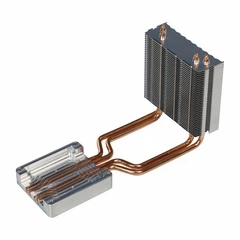
Now, let's talk about some of the products that benefit from our Tunnel brazing process and post - treatment. We offer Automobile Car Drainage Raditor, which are essential for keeping cars cool. Our Aluminum Heat Pipe Communication Module Heatsink are used in the electronics industry to dissipate heat effectively. And our Cavity - type Energy Storage Battery Water Cooling Plate are crucial for the energy storage sector.
If you're in the market for high - quality brazed products with excellent post - treatment, we'd love to hear from you. Whether you need parts for the automotive, electronics, or energy storage industries, we've got the expertise and the technology to meet your needs. Reach out to us to start a procurement discussion and see how we can help you get the best products for your business.
References
- "Brazing Handbook" by The American Welding Society
- "Principles of Metal Joining" by John C. Lippold