


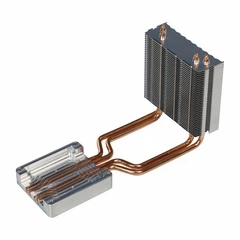
When it comes to enhancing the performance and longevity of your vehicle, investing in a high-quality aftermarket aluminum automotive radiator is a decision that can yield significant benefits. As a reputable supplier of aluminum automotive radiators, I understand the importance of making an informed choice. In this blog post, I will delve into the key considerations you should keep in mind when purchasing an aftermarket aluminum radiator.
Compatibility
The first and foremost consideration when buying an aftermarket aluminum automotive radiator is compatibility. Not all radiators are created equal, and it's crucial to ensure that the radiator you choose is specifically designed for your vehicle's make, model, and year. A radiator that is not compatible may not fit properly, leading to leaks, inefficient cooling, and potential damage to your engine.
Before making a purchase, consult your vehicle's owner's manual or reach out to a trusted mechanic to determine the exact specifications of your radiator. This includes the size, shape, inlet and outlet locations, and mounting points. Additionally, consider any modifications or upgrades you have made to your vehicle, as these may also affect the compatibility of the radiator.
Cooling Efficiency
One of the primary functions of a radiator is to dissipate heat from the engine coolant, preventing the engine from overheating. Therefore, cooling efficiency is a critical factor to consider when choosing an aftermarket aluminum radiator. Aluminum is an excellent conductor of heat, making it an ideal material for radiators. It has a high thermal conductivity, which allows it to transfer heat quickly and efficiently.
When evaluating the cooling efficiency of a radiator, look for features such as the number of rows, the thickness of the tubes, and the design of the fins. A radiator with more rows and thicker tubes generally has a greater surface area, which means it can dissipate more heat. Additionally, fins with a high surface area and a well-designed shape can enhance the airflow through the radiator, further improving its cooling performance.
Construction Quality
The construction quality of a radiator is another important consideration. A well-built radiator is more likely to be durable, reliable, and resistant to leaks and corrosion. When examining a radiator, pay attention to the materials used, the manufacturing process, and the overall build quality.
Look for radiators that are made from high-quality aluminum alloy, as this material is strong, lightweight, and corrosion-resistant. The tubes and fins should be properly brazed or soldered together to ensure a secure and leak-free connection. Additionally, the radiator should have a robust construction, with a sturdy frame and mounting brackets that can withstand the vibrations and stresses of daily driving.


Pressure Rating
The pressure rating of a radiator refers to the maximum pressure that it can safely withstand without leaking or bursting. It is important to choose a radiator with a pressure rating that is appropriate for your vehicle's engine and cooling system. If the pressure rating of the radiator is too low, it may not be able to handle the pressure generated by the engine, leading to leaks and potential damage.
Before purchasing a radiator, check your vehicle's owner's manual or consult a mechanic to determine the recommended pressure rating. Make sure to choose a radiator that meets or exceeds this rating to ensure reliable and safe operation.
Size and Fitment
The size and fitment of a radiator are also important considerations. A radiator that is too small may not be able to provide sufficient cooling for your engine, while a radiator that is too large may not fit properly in your vehicle's engine compartment.
When choosing a radiator, measure the available space in your engine compartment carefully and compare it to the dimensions of the radiator. Make sure to leave enough clearance for the hoses, fans, and other components. Additionally, consider the weight of the radiator, as a heavy radiator may affect the handling and performance of your vehicle.
Brand Reputation
The brand reputation of a radiator manufacturer is an important factor to consider. A reputable brand is more likely to produce high-quality radiators that are reliable, durable, and backed by a good warranty. Do some research on the different brands available in the market and read customer reviews and ratings to get an idea of their reputation.
Look for brands that have been in the industry for a long time and have a proven track record of producing high-quality radiators. Additionally, consider brands that offer a comprehensive warranty, as this can provide you with peace of mind and protection against any defects or issues.
Price
Price is always a consideration when making a purchase, but it should not be the only factor. While it may be tempting to choose the cheapest radiator available, this may not always be the best option. A low-quality radiator may not provide sufficient cooling, may be prone to leaks and corrosion, and may not last as long as a higher-quality radiator.
On the other hand, you don't necessarily need to spend a fortune on a radiator. There are many high-quality aftermarket aluminum radiators available at a reasonable price. When comparing prices, make sure to consider the features, quality, and performance of the radiator, as well as the reputation of the brand.
Additional Features
In addition to the basic considerations mentioned above, you may also want to consider any additional features or options that a radiator may offer. For example, some radiators come with built-in transmission coolers, which can help to keep your transmission fluid cool and prevent it from overheating. Others may have a built-in reservoir or a fill neck that makes it easier to add or check the coolant level.
Consider your specific needs and requirements when evaluating these additional features. While they may add to the cost of the radiator, they can also provide added convenience and functionality.
Conclusion
Choosing the right aftermarket aluminum automotive radiator is an important decision that can have a significant impact on the performance and longevity of your vehicle. By considering the factors discussed in this blog post, you can make an informed choice and select a radiator that meets your needs and requirements.
As a supplier of aluminum automotive radiators, we offer a wide range of high-quality radiators that are designed to provide excellent cooling performance, durability, and reliability. Our radiators are made from high-quality aluminum alloy and are built to the highest standards of quality and craftsmanship. We also offer a comprehensive warranty on all of our products to ensure your satisfaction.
If you have any questions or need assistance in choosing the right radiator for your vehicle, please don't hesitate to contact us. We would be happy to help you find the perfect radiator for your needs and budget.
References
- "Automotive Radiator Basics." Motor Magazine, [Date Accessed].
- "How to Choose the Right Radiator for Your Vehicle." Car and Driver, [Date Accessed].
- "The Importance of Cooling Efficiency in Automotive Radiators." SAE International, [Date Accessed].
[Insert the links at appropriate places]
- Aluminum Heat Pipe Communication Module Heatsink
- Automotive Controller Water Cooling Plate
- Automobile Car Drainage Raditor
If you're interested in our aluminum automotive radiators or have any questions about the purchasing process, feel free to reach out to us for a detailed discussion. We're here to assist you in finding the best radiator solution for your vehicle.