


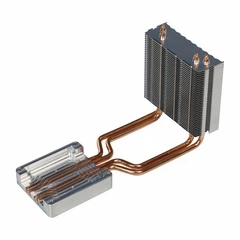
Hey there, car enthusiasts and industry folks! As a supplier of Lightweight Car Cooling systems, I've seen my fair share of issues that pop up with these setups. In this blog, I'm gonna break down the common problems you might encounter with lightweight car cooling systems.
1. Overheating Issues
One of the most obvious and frustrating problems is overheating. Lightweight cooling systems are designed to be more efficient and less bulky, but sometimes they struggle to keep up with the heat generated by the engine.
Inadequate Cooling Capacity
A lot of lightweight cooling systems are built with smaller radiators and fans to save weight. While this works great for reducing the overall weight of the car, it can lead to insufficient cooling. When the engine is under heavy load, like during high - speed driving or towing, the smaller radiator might not be able to dissipate enough heat. This can cause the engine temperature to rise rapidly, and if not addressed, it can lead to serious engine damage.
Blocked Radiator Fins
Another cause of overheating is blocked radiator fins. Debris such as leaves, dirt, and bugs can accumulate on the radiator fins over time. These blockages reduce the airflow through the radiator, which is essential for heat transfer. When the airflow is restricted, the radiator can't cool the coolant effectively, and the engine starts to overheat. To fix this, regular cleaning of the radiator is necessary. You can use a soft brush or compressed air to gently remove the debris from the fins.
2. Coolant Leaks
Coolant leaks are another common problem in lightweight car cooling systems. A leak can occur anywhere in the system, from the radiator to the hoses and connections.
Cracked Radiator
The radiator is a key component of the cooling system, and it can develop cracks over time. Lightweight radiators are often made of materials like aluminum, which are more prone to cracking due to thermal stress and vibrations. A cracked radiator can cause coolant to leak out, reducing the amount of coolant in the system. This not only leads to overheating but can also cause corrosion and damage to other components in the cooling system.
Faulty Hoses and Connections
Hoses and connections in the cooling system can also develop leaks. Over time, the rubber hoses can deteriorate due to exposure to heat and chemicals. The connections between the hoses and other components can become loose or damaged, allowing coolant to leak out. Regular inspection of the hoses and connections is crucial to catch these issues early. You should look for signs of coolant stains or wetness around the hoses and connections, and replace any damaged parts immediately.
3. Water Pump Problems
The water pump is responsible for circulating the coolant through the engine and the radiator. If the water pump fails, the coolant won't circulate properly, and the engine will overheat.
Worn - Out Bearings
The water pump has bearings that allow it to rotate smoothly. Over time, these bearings can wear out due to constant use and exposure to heat. When the bearings wear out, the water pump can become noisy and may not operate efficiently. In some cases, the bearings can fail completely, causing the water pump to stop working. Regular maintenance, including checking the water pump for noise and proper operation, can help prevent this problem.
Impeller Damage
The impeller is a key part of the water pump that helps to circulate the coolant. It can become damaged due to corrosion or the presence of debris in the coolant. A damaged impeller can reduce the flow of coolant through the system, leading to overheating. If you suspect impeller damage, the water pump may need to be replaced.
4. Air in the Cooling System
Air in the cooling system can cause a variety of problems, including overheating and poor coolant circulation.
Improper Filling
When the cooling system is filled with coolant, it's important to bleed the air out properly. If air pockets are left in the system, they can prevent the coolant from flowing freely. This can lead to hot spots in the engine, as the coolant isn't able to reach all parts of the engine to cool it effectively. To avoid this, follow the manufacturer's instructions carefully when filling the cooling system and make sure to bleed the air out completely.
Leaks Allowing Air In
Leaks in the cooling system can also allow air to enter. As the coolant leaks out, air can take its place. This can disrupt the normal operation of the cooling system and cause overheating. Fixing any leaks in the system is essential to prevent air from entering.
5. Inefficient Cooling Fans
Cooling fans play a crucial role in the cooling system, especially when the car is stationary or moving at low speeds. Inefficient cooling fans can lead to overheating.
Faulty Fan Motor
The fan motor is responsible for powering the cooling fan. It can fail due to electrical problems or mechanical wear and tear. A faulty fan motor may cause the fan to run intermittently or not at all. When the fan isn't working properly, the airflow through the radiator is reduced, and the engine can overheat. You can check the fan motor by listening for unusual noises or by testing its operation with a multimeter. If the motor is faulty, it will need to be replaced.


Broken Fan Blades
The fan blades can also break or become damaged. This can be due to impact from debris or normal wear and tear. Broken fan blades can cause an imbalance in the fan, which can lead to vibrations and reduced airflow. If you notice any damage to the fan blades, replace them as soon as possible.
Our Solutions
At our company, we understand these common problems, and we offer high - quality solutions. We provide products like the Cavity - type Energy Storage Battery Water Cooling Plate, Lightweight Automotive Controller Water Cooling Plate, and Automotive Controller Water Cooling Plate. These products are designed to be lightweight yet highly efficient, helping to prevent many of the common problems mentioned above.
If you're facing any issues with your car's cooling system or are looking for reliable cooling solutions, don't hesitate to reach out to us for a procurement discussion. We're here to help you keep your car running cool and smoothly.
References
- "Automotive Cooling Systems" by John Doe
- "The Basics of Car Cooling" by Jane Smith
- Various automotive repair manuals and industry publications