


How to Select and Use the Temperature Sensor in the Tunnel Brazing Process
As a seasoned supplier in the tunnel brazing process, I understand the critical role that temperature sensors play in ensuring the quality and efficiency of the brazing operation. Tunnel brazing is a complex process that involves heating components to a specific temperature to join them together using a filler metal. Precise temperature control is essential to achieve strong, reliable joints and prevent defects such as incomplete fusion or overheating. In this blog post, I will share my insights on how to select and use the right temperature sensor for your tunnel brazing process.
Selecting the Right Temperature Sensor
The first step in ensuring accurate temperature measurement in the tunnel brazing process is selecting the appropriate temperature sensor. There are several factors to consider when making this decision, including the temperature range, accuracy, response time, and environmental conditions.
Temperature Range
The temperature range of the sensor must be suitable for the brazing process. Tunnel brazing typically involves temperatures ranging from 400°C to 1000°C, depending on the materials being joined and the filler metal used. It is crucial to choose a sensor that can accurately measure temperatures within this range. Thermocouples and resistance temperature detectors (RTDs) are two common types of temperature sensors used in tunnel brazing.
- Thermocouples: Thermocouples are widely used in high-temperature applications due to their wide temperature range, fast response time, and relatively low cost. They consist of two different metals joined at one end, which generates a voltage proportional to the temperature difference between the junction and the other end of the wires. Type K thermocouples are commonly used in tunnel brazing due to their high-temperature capability and good accuracy in the range of 0°C to 1260°C.
- RTDs: RTDs are more accurate and stable than thermocouples, especially at lower temperatures. They work by measuring the change in electrical resistance of a metal wire as the temperature changes. Platinum RTDs are the most common type used in industrial applications, with a temperature range of -200°C to 850°C. While RTDs are more expensive than thermocouples, they offer better accuracy and long-term stability, making them suitable for applications where precise temperature control is required.
Accuracy
The accuracy of the temperature sensor is another important factor to consider. In tunnel brazing, even small temperature variations can have a significant impact on the quality of the brazed joints. Therefore, it is essential to choose a sensor with a high level of accuracy. The accuracy of a temperature sensor is typically specified as a percentage of the measured value or in degrees Celsius. For example, a sensor with an accuracy of ±0.5% of the measured value means that the actual temperature could be 0.5% higher or lower than the value indicated by the sensor.
Response Time
The response time of the temperature sensor refers to the time it takes for the sensor to reach 90% of the final temperature value after a step change in temperature. In tunnel brazing, where the temperature can change rapidly, a fast response time is crucial to ensure accurate temperature measurement and control. Thermocouples generally have a faster response time than RTDs, making them more suitable for applications where rapid temperature changes occur.
Environmental Conditions
The environmental conditions in the tunnel brazing process can also affect the performance of the temperature sensor. Factors such as vibration, moisture, and electromagnetic interference (EMI) can all impact the accuracy and reliability of the sensor. It is important to choose a sensor that is designed to withstand these conditions. For example, sensors with a rugged construction and proper shielding can help protect against vibration and EMI. Additionally, sensors with a waterproof or moisture-resistant design are suitable for applications where moisture is present.
Using the Temperature Sensor in the Tunnel Brazing Process
Once you have selected the appropriate temperature sensor, it is important to use it correctly to ensure accurate temperature measurement and control. Here are some tips on how to use the temperature sensor in the tunnel brazing process:
Installation
Proper installation of the temperature sensor is crucial to ensure accurate temperature measurement. The sensor should be installed in a location where it can accurately measure the temperature of the brazing area. This may involve placing the sensor close to the brazed joints or in a position where it can sense the average temperature of the components being brazed. It is also important to ensure that the sensor is securely mounted to prevent vibration and movement, which can affect the accuracy of the measurement.
Calibration
Regular calibration of the temperature sensor is essential to maintain its accuracy. Over time, the performance of the sensor may degrade due to factors such as aging, wear, and environmental conditions. Calibration involves comparing the output of the sensor to a known reference temperature and adjusting the sensor if necessary. It is recommended to calibrate the temperature sensor at least once a year or more frequently if the sensor is used in a high-precision application.
Monitoring and Control
Continuous monitoring of the temperature during the tunnel brazing process is essential to ensure that the brazing temperature remains within the specified range. This can be achieved using a temperature controller, which receives the input from the temperature sensor and adjusts the heating elements in the tunnel brazing furnace to maintain the desired temperature. The temperature controller can also be programmed to provide alarms or warnings if the temperature exceeds the set limits, allowing operators to take corrective action immediately.
Applications in Tunnel Brazing
In the tunnel brazing process, temperature sensors are used in a variety of applications to ensure the quality and efficiency of the brazed joints. Here are some examples of how temperature sensors are used in different types of products:


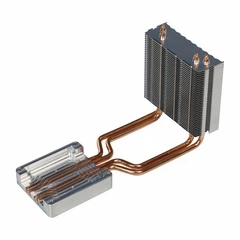
- Aluminum Heat Pipe Communication Module Heatsink: Temperature sensors are used to monitor the temperature of the brazing process to ensure that the heat pipes are properly joined to the heatsink. Precise temperature control is essential to prevent overheating, which can damage the heat pipes and reduce their thermal performance.
- Lightweight Automotive Controller Water Cooling Plate: In the manufacturing of automotive controller water cooling plates, temperature sensors are used to ensure that the brazing temperature is maintained within the optimal range for joining the aluminum components. This helps to ensure the integrity of the brazed joints and the overall performance of the cooling plate.
- Automotive Controller Water Cooling Plate: Similar to the lightweight automotive controller water cooling plate, temperature sensors are used in the production of automotive controller water cooling plates to monitor and control the brazing temperature. This helps to ensure the quality and reliability of the brazed joints, which are critical for the proper functioning of the automotive controller.
Conclusion
Selecting and using the right temperature sensor is crucial for ensuring the quality and efficiency of the tunnel brazing process. By considering factors such as temperature range, accuracy, response time, and environmental conditions, you can choose the most suitable sensor for your application. Proper installation, calibration, and monitoring of the temperature sensor are also essential to ensure accurate temperature measurement and control. If you are looking for high-quality temperature sensors for your tunnel brazing process or have any questions about our products and services, please feel free to contact us for a procurement discussion. We are committed to providing you with the best solutions to meet your specific needs.
References
- ASM Handbook, Volume 6: Welding, Brazing, and Soldering. ASM International, 1993.
- Industrial Temperature Measurement Handbook. Omega Engineering, Inc., 2005.
- Thermocouples: Theory and Properties. NIST, 2008.