


Maintaining the solder pot in a wave soldering machine is crucial for ensuring high - quality soldering results and the longevity of the equipment. As a trusted Wave soldering process supplier, I understand the significance of proper solder pot maintenance. In this blog, I will share some effective ways to maintain the solder pot, which can help you optimize your wave soldering operations.
1. Regular Cleaning
One of the fundamental steps in solder pot maintenance is regular cleaning. Over time, the solder pot accumulates various impurities such as oxides, dross, and flux residues. These impurities can affect the quality of the solder joint and may even cause clogging in the wave nozzle.
- Dross Removal: Dross is formed on the surface of the molten solder due to oxidation. It should be skimmed off regularly, preferably every few hours depending on the production volume. Use a clean, heat - resistant skimmer to remove the dross gently from the surface of the solder pot. Dispose of the dross properly as it still contains some valuable solder that can be recycled.
- Flux Residue Cleaning: Flux residues can build up on the walls and bottom of the solder pot. Periodically, shut down the wave soldering machine and allow the solder to cool and solidify. Then, use a suitable cleaning agent to remove the flux residues. A mixture of water and mild detergent can be effective for light cleaning. For more stubborn residues, a specialized flux remover may be required. After cleaning, rinse the pot thoroughly with clean water and dry it completely before reheating the solder.
2. Solder Level Control
Maintaining the correct solder level in the pot is essential for consistent wave soldering performance. An improper solder level can lead to uneven wave formation, which may result in poor solder joints.
- Monitoring: Use a reliable level sensor or a visual indicator to monitor the solder level in the pot. Most modern wave soldering machines are equipped with automatic level control systems. However, it is still important to visually inspect the solder level regularly to ensure its accuracy.
- Refilling: When the solder level drops below the recommended level, refill the pot with the appropriate type of solder. Make sure to use high - quality solder that is compatible with your soldering process. Adding solder too quickly can cause splashing and oxidation, so add it gradually while the machine is running at a low speed.
3. Temperature Management
Temperature control is a critical aspect of solder pot maintenance. Incorrect temperatures can lead to issues such as solder bridging, cold joints, and excessive oxidation.
- Calibration: Regularly calibrate the temperature sensors in the solder pot to ensure accurate temperature readings. Use a calibrated thermometer to verify the actual temperature of the molten solder. If there is a significant difference between the set temperature and the actual temperature, adjust the temperature control settings accordingly.
- Preheating: Before starting the wave soldering process, preheat the solder pot to the recommended temperature gradually. Sudden temperature changes can cause thermal stress on the pot and may lead to cracks or other damage. Once the pot reaches the desired temperature, allow it to stabilize for a few minutes before starting the soldering operation.
- Avoiding Overheating: Overheating the solder pot can accelerate oxidation and reduce the lifespan of the pot. Set the temperature within the recommended range for the type of solder you are using. If you notice any signs of overheating, such as excessive dross formation or a change in the color of the solder, immediately reduce the temperature.
4. Pot Material and Coating Maintenance
The material and coating of the solder pot play a vital role in its performance and durability.
- Material Inspection: Regularly inspect the solder pot for signs of wear, corrosion, or damage. If you notice any cracks or holes in the pot, replace it immediately to prevent solder leakage, which can be a safety hazard and cause damage to the wave soldering machine.
- Coating Preservation: Many solder pots are coated with a special material to prevent corrosion and improve solder wetting. To preserve the coating, avoid using abrasive cleaning tools that can scratch or damage it. If the coating shows signs of wear or degradation, consider having it recoated by a professional to maintain its performance.
5. Preventing Contamination
Contamination of the solder pot can have a significant impact on the quality of the solder joints.
- Clean Working Environment: Keep the area around the wave soldering machine clean and free from dust, debris, and other contaminants. Make sure that any tools or equipment used in the soldering process are clean before coming into contact with the solder pot.
- Avoiding Foreign Objects: Be careful not to introduce any foreign objects into the solder pot. Items such as small screws, nuts, or pieces of wire can fall into the pot during maintenance or operation. These foreign objects can damage the pump and other components of the wave soldering machine and may also contaminate the solder.
6. Equipment Compatibility
When making any changes to the wave soldering process, such as using a different type of solder or flux, ensure that all the components of the wave soldering machine, including the solder pot, are compatible with the new materials.
- Solder Compatibility: Different solders have different melting points, chemical compositions, and flow characteristics. Using an incompatible solder can cause problems such as poor wetting, increased oxidation, and damage to the solder pot. Always refer to the manufacturer's recommendations when selecting a new solder.
- Flux Compatibility: Similarly, the flux used in the wave soldering process should be compatible with the solder and the solder pot material. Some fluxes may react with certain metals or coatings, causing corrosion or other damage. Test any new flux on a small scale before implementing it in full - scale production.
7. Regular Maintenance Checks
In addition to the above - mentioned maintenance tasks, perform regular comprehensive maintenance checks on the wave soldering machine and the solder pot.
- Inspecting Components: Check the pump, heater, and other components related to the solder pot regularly for signs of wear, damage, or malfunction. Replace any worn - out parts immediately to prevent further damage to the machine.
- Lubrication: If there are any moving parts in the wave soldering machine that are related to the solder pot, such as the pump impeller, lubricate them according to the manufacturer's recommendations. Proper lubrication can reduce friction and extend the lifespan of these components.
Related Products
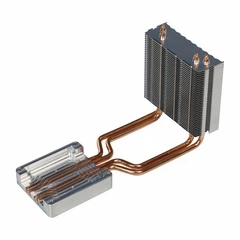
As a Wave soldering process supplier, we also offer a range of high - quality radiator products that are suitable for various applications. For example, the Aluminum Heat Pipe Communication Module Heatsink is designed to provide efficient heat dissipation for communication modules. The Cavity - type Energy Storage Battery Water Cooling Plate is an excellent choice for energy storage battery cooling. And the Automobile Car Drainage Raditor is specifically designed for automotive applications.


Conclusion
Proper maintenance of the solder pot in a wave soldering machine is a continuous process that requires attention to detail and regular upkeep. By following the above - mentioned maintenance steps, you can ensure the optimal performance of your wave soldering machine, improve the quality of your solder joints, and extend the lifespan of the solder pot. If you have any questions about wave soldering process or need further advice on solder pot maintenance, feel free to contact us for more information and to discuss potential procurement opportunities.
References
- "Wave Soldering Handbook" - A comprehensive guide on wave soldering technology and maintenance.
- Manufacturer's manuals of various wave soldering machines for specific maintenance instructions.