


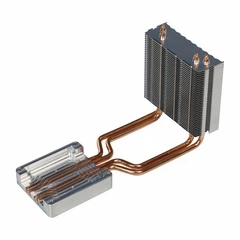
A versatile water cooling plate is an essential component in many high - performance systems, such as industrial machinery, electronic devices, and power generation equipment. Over time, these cooling plates can accumulate dirt, debris, and mineral deposits, which can significantly reduce their efficiency. As a supplier of versatile water cooling plates, I understand the importance of proper maintenance and cleaning to ensure the longevity and optimal performance of these products. In this blog post, I will share some effective methods on how to clean a versatile water cooling plate.
Understanding the Structure and Contaminants of the Water Cooling Plate
Before starting the cleaning process, it is crucial to understand the structure of the water cooling plate. Most versatile water cooling plates are made of materials like copper or aluminum due to their excellent thermal conductivity. They usually have a complex internal channel structure through which coolant flows to absorb and dissipate heat.
The contaminants that can accumulate in a water cooling plate vary. Dust and debris can enter the system through air intake or during the manufacturing process. Mineral deposits, such as calcium and magnesium salts, can form when using hard water as a coolant. Biological growth, like algae and bacteria, may also occur if the coolant is not properly treated or if the system is exposed to a warm and humid environment.
Pre - cleaning Preparations
- Safety First: Always ensure that the power supply to the equipment using the water cooling plate is turned off. This prevents any electrical hazards during the cleaning process. Wear appropriate personal protective equipment, such as gloves and safety glasses, to protect yourself from any chemicals or debris.
- Gather Tools and Supplies: You will need a variety of tools and supplies for the cleaning process. These may include a soft - bristle brush, a cleaning solution (such as a mild detergent or a specialized coolant cleaner), a container for the cleaning solution, a hose or a syringe for flushing, and a clean cloth for drying.
- Disconnect the Cooling Plate: Carefully disconnect the water cooling plate from the system. This may involve removing hoses, pipes, or electrical connections. Make sure to label all the connections to ensure proper reinstallation later.
Cleaning Methods
1. Manual Cleaning
- External Cleaning: Start by cleaning the external surface of the water cooling plate. Use a soft - bristle brush to gently remove any dust or debris. You can also use a clean cloth dampened with a mild detergent solution to wipe the surface. Rinse the surface thoroughly with clean water and dry it with a soft cloth.
- Internal Channel Cleaning: For the internal channels of the water cooling plate, a soft - bristle brush can be used to reach and clean accessible areas. If possible, insert the brush into the channels and gently scrub to remove any loose debris. However, be careful not to damage the internal structure of the channels.
2. Chemical Cleaning
- Prepare the Cleaning Solution: If manual cleaning is not sufficient, a chemical cleaning solution can be used. There are many commercial coolant cleaners available on the market. You can also make a homemade cleaning solution by mixing a mild detergent with water. The concentration of the detergent should be according to the manufacturer's instructions.
- Soaking the Cooling Plate: Immerse the water cooling plate in the cleaning solution for a certain period, usually 30 minutes to a few hours depending on the severity of the contamination. During the soaking process, the cleaning solution will dissolve the mineral deposits and loosen the dirt and debris.
- Flushing: After soaking, use a hose or a syringe to flush the internal channels of the water cooling plate with clean water. This helps to remove the dissolved contaminants and the cleaning solution. Repeat the flushing process several times until the water runs clear.
3. Ultrasonic Cleaning
Ultrasonic cleaning is a more advanced and effective method for cleaning water cooling plates. It uses high - frequency sound waves to create tiny bubbles in the cleaning solution. These bubbles collapse near the surface of the cooling plate, generating a powerful scrubbing action that can remove even the most stubborn contaminants.
- Prepare the Ultrasonic Cleaner: Fill the ultrasonic cleaner with an appropriate cleaning solution. Make sure the water cooling plate is completely submerged in the solution.
- Set the Parameters: Set the appropriate frequency and time for the ultrasonic cleaning process. The frequency and time may vary depending on the size and contamination level of the cooling plate.
- Cleaning Process: Start the ultrasonic cleaner and let it run for the specified time. After the cleaning is complete, remove the cooling plate from the cleaner and rinse it thoroughly with clean water.
Post - cleaning Procedures
- Drying: After cleaning, it is essential to dry the water cooling plate thoroughly. Use a clean cloth to wipe off any excess water. You can also use compressed air to blow out any remaining water from the internal channels. Make sure the cooling plate is completely dry before reinstalling it to prevent corrosion.
- Inspection: Inspect the water cooling plate for any signs of damage or wear. Check the internal channels for any remaining debris or blockages. If you notice any damage, such as cracks or leaks, it may be necessary to replace the cooling plate.
- Reinstallation: Reconnect the water cooling plate to the system. Make sure all the hoses, pipes, and electrical connections are properly installed according to the labels you made earlier. Fill the cooling system with fresh coolant and check for any leaks.
Maintaining a Clean Cooling Plate
Regular maintenance is key to keeping the water cooling plate clean and functioning properly. Here are some tips for maintaining a clean cooling plate:
- Use High - Quality Coolant: Choose a high - quality coolant that is specifically designed for your water cooling system. This helps to prevent the formation of mineral deposits and biological growth.
- Regular Flushing: Periodically flush the cooling system with clean water to remove any loose debris. The frequency of flushing depends on the usage and the environment of the system.
- Filter Installation: Install a filter in the cooling system to trap any dust and debris before they reach the water cooling plate.
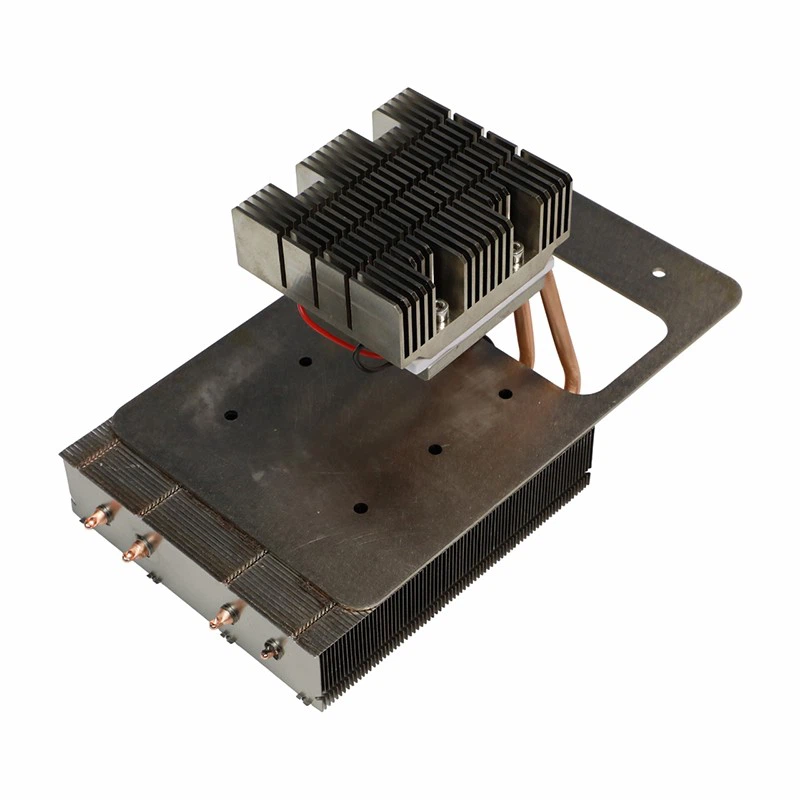
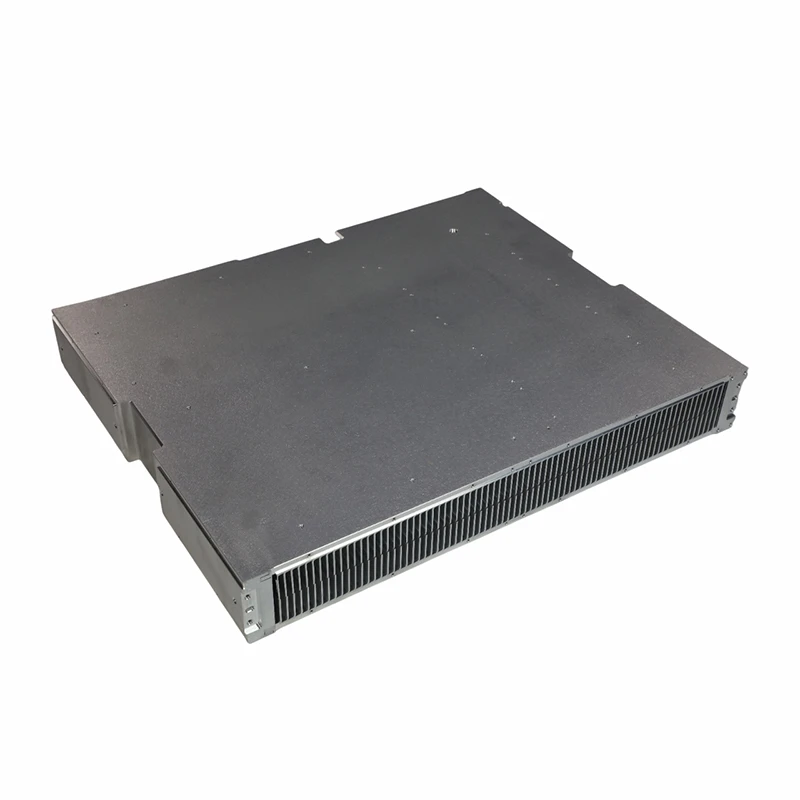
As a supplier of versatile water cooling plates, we also offer a range of related products that can enhance the performance of your cooling system. For example, you may be interested in our High - power Air - cooled Laser Heatsink which provides efficient heat dissipation for high - power laser applications. Our Semiconductor Cooling Module Heatsink is designed to meet the cooling requirements of semiconductor devices. And our High - power Aluminum Laser Heatsink offers a lightweight and cost - effective solution for laser systems.
If you have any questions about cleaning or maintaining your water cooling plate, or if you are interested in purchasing our products, please feel free to contact us for procurement and further discussions. We are committed to providing you with high - quality products and professional technical support.
References
- "Cooling System Maintenance Guide" by Industrial Cooling Solutions Inc.
- "The Science of Heat Transfer in Water Cooling Systems" by Thermal Engineering Journal.
- "Best Practices for Cleaning and Maintaining Electronic Cooling Components" by Electronic Manufacturing Magazine.