


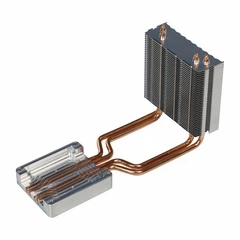
As a supplier of automotive water drainers, I often receive inquiries from customers about how often they should use these devices. This is a crucial question as proper usage of an automotive water drainer can significantly impact the performance and longevity of a vehicle's engine and related systems. In this blog, I'll delve into the factors that determine the frequency of using an automotive water drainer and provide some practical guidelines.
Understanding the Function of an Automotive Water Drainer
Before discussing the usage frequency, it's essential to understand what an automotive water drainer does. An automotive water drainer is designed to remove water that accumulates in various parts of a vehicle, such as the fuel tank, air compressor, and radiator. Water in these systems can cause a range of problems. In the fuel tank, water can lead to corrosion, reduced fuel efficiency, and engine misfires. In the air compressor, water can damage components and affect the performance of the pneumatic systems. In the radiator, excessive water can dilute the coolant, reducing its effectiveness in regulating engine temperature.
Factors Affecting the Usage Frequency
1. Driving Conditions
- Humid Environments: If you frequently drive in areas with high humidity, such as coastal regions or during the rainy season, the likelihood of water accumulation in your vehicle's systems increases. In such conditions, it's advisable to use the automotive water drainer more frequently. For example, you might need to drain the water weekly or even more often if you notice signs of water in the fuel or air systems.
- Dusty or Dirty Areas: Driving in dusty or dirty environments can also lead to water accumulation. Dust and dirt can mix with water and form sludge, which can clog the drain valves and other components. In these situations, regular use of the water drainer can prevent blockages and ensure the proper functioning of the vehicle's systems. You may want to drain the water every two weeks or as needed based on the level of dirt and dust exposure.
2. Vehicle Type and Usage
- Commercial Vehicles: Commercial vehicles, such as trucks and buses, often have higher usage rates and more demanding operating conditions compared to passenger cars. They may also carry heavier loads, which can put more stress on the engine and other systems. As a result, commercial vehicles typically require more frequent use of the automotive water drainer. For instance, a long - haul truck may need to have its water drained daily or every few days, depending on the length of the trips and the conditions on the road.
- Passenger Cars: Passenger cars used for daily commuting or occasional trips generally have lower usage rates. In normal driving conditions, using the water drainer once a month or every few months may be sufficient. However, if you use your car for towing or other heavy - duty tasks, you may need to increase the frequency of water draining.
3. Fuel Quality
- Low - Quality Fuel: Fuel with a high water content is more likely to cause problems in the vehicle's fuel system. If you often fill up at gas stations with questionable fuel quality, you may need to use the automotive water drainer more frequently to remove the excess water. This could mean draining the water every two weeks or as soon as you notice any signs of water in the fuel, such as rough idling or decreased engine performance.
General Guidelines for Usage Frequency
Fuel Tank
- In normal driving conditions with good - quality fuel, draining the water from the fuel tank every three to six months is usually sufficient. However, if you drive in humid conditions or use low - quality fuel, you should drain the water every one to three months.
- Before long trips, it's a good idea to check and drain the water from the fuel tank to ensure a smooth journey.
Air Compressor
- For vehicles with air compressors, such as those with air brakes or pneumatic systems, the water should be drained regularly. In normal operating conditions, draining the air compressor once a week is recommended. If the vehicle is used in a very humid environment or for heavy - duty applications, daily draining may be necessary.
Radiator
- In the radiator, the coolant should be checked regularly for water content. If the coolant is diluted with water, it can reduce its ability to prevent freezing and overheating. Under normal circumstances, checking the radiator coolant and draining any excess water every six months to a year is appropriate. However, if you notice any signs of overheating or coolant leakage, you should check and drain the water immediately.
Our Product Range
As a leading supplier of automotive water drainers, we offer a wide range of high - quality products to meet the diverse needs of our customers. Our products are designed with advanced technology and durable materials to ensure reliable performance and long - term use.
In addition to our automotive water drainers, we also provide other related products such as the Automobile Car Drainage Raditor, which is an essential component for efficient water drainage in the radiator system. Our Automotive Controller Water Cooling Plate helps to regulate the temperature of the vehicle's controller, ensuring its stable operation. And our Aluminum Heat Pipe Communication Module Heatsink is designed to dissipate heat effectively from communication modules in the vehicle.


Conclusion
Determining how often to use an automotive water drainer depends on several factors, including driving conditions, vehicle type and usage, and fuel quality. By following the general guidelines provided in this blog and paying attention to the specific needs of your vehicle, you can ensure that your automotive water drainer is used at the appropriate frequency to maintain the optimal performance of your vehicle.
If you have any questions about our automotive water drainers or other related products, or if you are interested in purchasing our products, please feel free to contact us. We are always ready to provide you with professional advice and high - quality products.
References
- "Automotive Maintenance Handbook", published by a well - known automotive publishing house.
- Industry research reports on automotive system maintenance.