


As a seasoned supplier of aluminum automotive radiators, I've witnessed firsthand the pivotal role these components play in modern vehicles. In this blog, I'll delve into the intricate workings of an aluminum automotive radiator, exploring its design, functionality, and the benefits it offers.
The Basics of Automotive Cooling Systems
Before we dive into the specifics of aluminum automotive radiators, it's essential to understand the broader context of automotive cooling systems. The primary function of a cooling system is to regulate the temperature of the engine, preventing it from overheating and ensuring optimal performance. Without an efficient cooling system, an engine can suffer from a range of issues, including reduced power output, increased fuel consumption, and even permanent damage.
At the heart of the cooling system is the radiator, which serves as a heat exchanger. It transfers heat from the engine coolant to the surrounding air, effectively lowering the coolant's temperature before it circulates back through the engine. In addition to the radiator, the cooling system typically includes a water pump, thermostat, hoses, and a fan.
Why Aluminum?
Aluminum has become the material of choice for automotive radiators due to its numerous advantages. Firstly, aluminum is lightweight, which helps to reduce the overall weight of the vehicle. This, in turn, improves fuel efficiency and handling. Secondly, aluminum has excellent thermal conductivity, meaning it can transfer heat more effectively than other materials. This allows the radiator to dissipate heat quickly and efficiently, keeping the engine cool even under extreme conditions. Finally, aluminum is corrosion-resistant, which extends the lifespan of the radiator and reduces the need for maintenance.
Design and Construction of an Aluminum Automotive Radiator
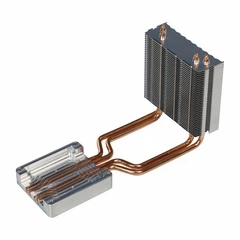
An aluminum automotive radiator consists of several key components, each playing a crucial role in its operation. The core of the radiator is made up of a series of tubes and fins. The tubes carry the hot coolant from the engine, while the fins increase the surface area of the radiator, allowing for more efficient heat transfer. The tubes are typically arranged in a parallel or serpentine pattern, depending on the design of the radiator.
The fins are made of thin aluminum sheets that are crimped or brazed onto the tubes. They are designed to maximize the contact area between the coolant and the air, facilitating the transfer of heat. The fins also help to direct the airflow through the radiator, ensuring that it passes over the tubes and fins evenly.
In addition to the core, the radiator also includes a header tank at each end. The header tanks are responsible for distributing the coolant to the tubes and collecting it after it has passed through the core. They are typically made of plastic or aluminum and are sealed to prevent leaks.
How Does an Aluminum Automotive Radiator Work?
The operation of an aluminum automotive radiator can be broken down into several steps:
- Coolant Circulation: The water pump circulates the coolant through the engine, absorbing heat as it passes through the engine block and cylinder heads. The hot coolant then flows into the radiator through the inlet hose.
- Heat Transfer: Once the hot coolant enters the radiator, it flows through the tubes. As the coolant passes through the tubes, heat is transferred from the coolant to the aluminum fins. The fins, in turn, transfer the heat to the surrounding air.
- Airflow: To enhance the heat transfer process, a fan is used to draw air through the radiator. The fan can be either mechanical or electric, depending on the vehicle's design. As the air passes over the fins, it absorbs the heat and carries it away from the radiator.
- Coolant Return: After the coolant has been cooled, it flows out of the radiator through the outlet hose and back into the engine. The thermostat regulates the flow of coolant, ensuring that the engine maintains the optimal operating temperature.
Benefits of Using an Aluminum Automotive Radiator
There are several benefits to using an aluminum automotive radiator:
- Improved Cooling Efficiency: Aluminum's high thermal conductivity allows the radiator to dissipate heat more effectively than other materials, ensuring that the engine stays cool even under heavy loads.
- Lightweight Design: The lightweight nature of aluminum helps to reduce the overall weight of the vehicle, improving fuel efficiency and handling.
- Corrosion Resistance: Aluminum is highly resistant to corrosion, which extends the lifespan of the radiator and reduces the need for maintenance.
- Compact Size: Aluminum radiators can be designed to be more compact than traditional radiators, making them ideal for vehicles with limited space.
Related Products
If you're interested in learning more about our aluminum automotive radiators and related products, we offer a range of options to suit your needs. Check out our Automotive Controller Water Cooling Plate, Lightweight Automotive Controller Water Cooling Plate, and Aluminum Heat Pipe Communication Module Heatsink.


Contact Us for Purchase and Negotiation
If you're in the market for high-quality aluminum automotive radiators, we'd love to hear from you. Our team of experts is dedicated to providing you with the best products and services. Whether you're an automotive manufacturer, a repair shop, or an individual looking to upgrade your vehicle's cooling system, we can help. Contact us today to discuss your requirements and start the purchasing process.
References
- Heywood, J. B. (1988). Internal Combustion Engine Fundamentals. McGraw-Hill.
- Crolla, D. A. (2001). Vehicle Dynamics: Theory and Application. Society of Automotive Engineers.
- Taylor, C. F. (1985). The Internal Combustion Engine in Theory and Practice. MIT Press.