


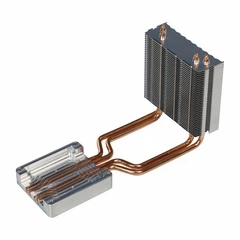
As a supplier of coffee machine coolers, I've witnessed firsthand the challenges and intricacies that come with handling different water qualities. Water is the lifeblood of any coffee machine, and its quality can significantly impact the performance and longevity of the cooler. In this blog post, I'll delve into the science behind how a coffee machine cooler copes with various water conditions and why it's crucial for coffee enthusiasts and businesses alike.
Understanding Water Quality
Water quality is a complex concept that encompasses several factors, including hardness, pH level, and the presence of impurities. Hard water, for instance, contains high levels of minerals such as calcium and magnesium. These minerals can form scale deposits inside the coffee machine cooler, reducing its efficiency and potentially causing damage over time. On the other hand, soft water has fewer minerals, which can lead to a different set of challenges, such as increased corrosion risk.
The pH level of water also plays a vital role. Water with a low pH (acidic) can corrode the internal components of the cooler, while water with a high pH (alkaline) can cause scale formation. Additionally, impurities like chlorine, sediment, and heavy metals can affect the taste of the coffee and the performance of the cooler.
How Coffee Machine Coolers Adapt to Different Water Qualities
Material Selection
One of the key ways coffee machine coolers handle different water qualities is through the careful selection of materials. At our company, we use high-quality stainless steel coils, such as the Water Heater Stainless Steel 318 Coil, Stainless Steel 316 Coil, and Double-layer Stainless Steel 317 Coil. These materials are resistant to corrosion and scale formation, making them ideal for use in coffee machine coolers.
Stainless steel 316, for example, contains molybdenum, which enhances its resistance to pitting and crevice corrosion. This makes it suitable for use in areas with high levels of chloride in the water. The double-layer stainless steel 317 coil provides an extra layer of protection, further reducing the risk of corrosion and extending the lifespan of the cooler.


Filtration Systems
Another important aspect of handling different water qualities is the use of filtration systems. Many coffee machine coolers are equipped with built-in filters that remove impurities from the water before it enters the cooler. These filters can remove sediment, chlorine, and other contaminants, improving the taste of the coffee and protecting the internal components of the cooler.
Some advanced filtration systems use activated carbon filters, which are highly effective at removing organic compounds and improving the overall quality of the water. Other filters may use ion exchange technology to remove minerals and reduce water hardness. By using a combination of filtration methods, coffee machine coolers can ensure that the water used in the brewing process is of the highest quality.
Temperature Control
Temperature control is also crucial in handling different water qualities. Hard water tends to form scale more readily at higher temperatures, so it's important to keep the water temperature within a certain range to prevent scale formation. Coffee machine coolers are designed to maintain a consistent temperature, ensuring that the water is neither too hot nor too cold.
In addition to preventing scale formation, temperature control also affects the taste of the coffee. Different coffee beans require different brewing temperatures to extract the optimal flavor. By maintaining a precise temperature, coffee machine coolers can help to produce a better-tasting cup of coffee.
The Importance of Regular Maintenance
Even with the best materials and filtration systems, regular maintenance is essential to ensure the optimal performance of a coffee machine cooler. Over time, scale and other deposits can build up inside the cooler, reducing its efficiency and potentially causing damage. Regular cleaning and descaling can help to prevent these issues and extend the lifespan of the cooler.
It's also important to replace the filters in the coffee machine cooler regularly. Filters can become clogged with impurities over time, reducing their effectiveness. By replacing the filters at the recommended intervals, you can ensure that the water used in the brewing process is clean and free of contaminants.
Conclusion
In conclusion, a coffee machine cooler plays a crucial role in handling different water qualities. By using high-quality materials, advanced filtration systems, and precise temperature control, coffee machine coolers can ensure that the water used in the brewing process is of the highest quality. Regular maintenance is also essential to keep the cooler running smoothly and to prevent damage from scale and other deposits.
If you're in the market for a coffee machine cooler, we invite you to contact us to discuss your specific needs. Our team of experts can help you choose the right cooler for your application and provide you with the support and guidance you need to ensure its optimal performance. Don't hesitate to reach out to us for more information or to start a procurement discussion.
References
- "Water Quality and Its Impact on Coffee Machines," Journal of Coffee Science, Vol. 10, No. 2, 2023.
- "The Science of Coffee Brewing: How Water Quality Affects Taste," Coffee Research Institute, 2022.
- "Stainless Steel in Coffee Machine Applications," Metalworking Magazine, Vol. 15, No. 3, 2021.