


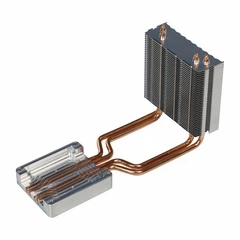
Yeah, there are definitely different types of aluminum radiators out there, and as an aluminum radiator supplier, I've got the lowdown on all of them. Aluminum radiators are super popular because aluminum is lightweight, has good heat conductivity, and is relatively affordable. Let's dive into the various types and what makes each of them special.
1. Skived Fin Aluminum Radiators
Skived fin aluminum radiators, like the Black Skived Toothed Heat Sink, are pretty cool. You see, the manufacturing process involves using a sharp knife - like tool to cut fins from a solid block of aluminum. This creates a continuous, high - density fin structure.
The advantage of skived fin radiators is that they have excellent heat transfer capabilities. The fins are very thin and closely spaced, which increases the surface area available for heat dissipation. They're often used in applications where space is limited but high - performance cooling is required, such as in some small electronic devices or compact power supplies.
2. Extruded Aluminum Radiators
Extruded aluminum radiators are one of the most common types. In the extrusion process, a heated aluminum billet is forced through a die to create the desired shape. It's a cost - effective method, and you can get a wide range of shapes and sizes.
These radiators usually have straight fins and are great for general - purpose cooling. They're found in lots of everyday electronics, like computer power supplies and simple LED lighting fixtures. The simplicity of their design makes them easy to manufacture in large quantities, which helps keep the price down.
3. Die - Cast Aluminum Radiators
Die - cast aluminum radiators are made by injecting molten aluminum into a mold under high pressure. This allows for the creation of complex shapes with detailed features.
The benefit of die - cast radiators is their design flexibility. You can make radiators with integrated mounting points, unique fin patterns, or even custom shapes to fit specific applications. However, the tooling for die - casting can be expensive, so it's more suitable for larger production runs. You might find die - cast radiators in automotive applications or industrial equipment where custom cooling solutions are needed.
4. Folded Fin Aluminum Radiators
Folded fin aluminum radiators are made by folding thin aluminum sheets into a fin structure. This results in a high - surface - area radiator that is cost - effective to produce.
They are commonly used in applications where a good balance between cost and performance is required. For example, in some consumer electronics like laptops or small audio equipment. The folded fin design allows for efficient heat transfer while being relatively easy to manufacture and assemble.
5. Air - Cooled Laser Module Heatsinks
The Air - Cooled Laser Module Heatsink is a specialized type of aluminum radiator. Laser modules generate a lot of heat during operation, and if that heat isn't dissipated properly, it can affect the performance and lifespan of the laser.
These heatsinks are designed to efficiently cool laser modules through air cooling. They often have a fin design optimized for airflow and are sometimes combined with a fan to enhance the cooling effect. Air - cooled laser module heatsinks are essential in the photonics industry for applications like laser cutting, marking, and medical lasers.
6. Combination Aluminum Water Cooling Radiators
Combination Aluminum Water Cooling Radiators are another cool option. As the name suggests, these radiators use both water and air to cool. A water block is in contact with the heat - generating component, and water circulates through it, absorbing heat. The heated water then flows to the radiator, where it transfers the heat to the fins of the aluminum radiator, and a fan blows air over the fins to dissipate the heat.
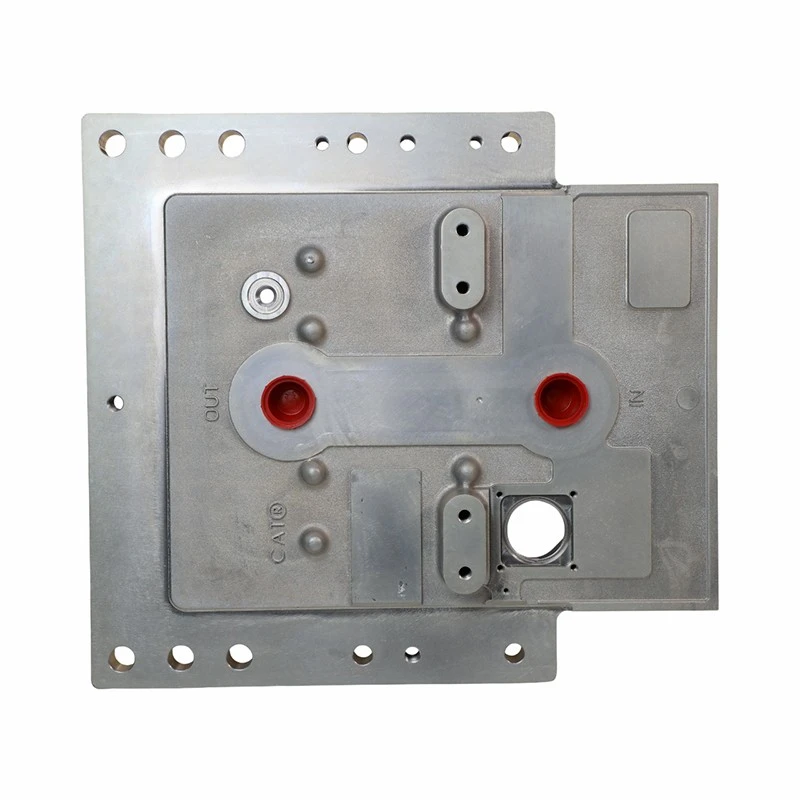

This type of radiator offers high - performance cooling, especially for high - power components like high - end CPUs in gaming computers or industrial machinery. The combination of water and air cooling allows for more efficient heat transfer compared to air - only cooling methods.
Factors Influencing the Type Selection
When it comes to choosing the right type of aluminum radiator for a particular application, there are several factors to consider.
The first is the heat load. If you're dealing with a component that generates a lot of heat, like a high - power CPU or a large - scale laser, you'll probably need a high - performance radiator like a combination water - cooled radiator or a skived fin radiator. On the other hand, if the heat load is relatively low, an extruded or folded fin radiator might be sufficient.
Space is another important factor. In compact devices, you'll need a radiator that can fit in a small space while still providing adequate cooling. Skived fin or folded fin radiators are good choices for such applications. In larger equipment, you have more flexibility in terms of radiator size and can choose a design that suits the specific requirements.
Cost is always a consideration. Extruded aluminum radiators are generally the most cost - effective option, especially for large - volume production. Die - cast radiators can be more expensive due to the high tooling costs, but they offer more design flexibility. So, you need to balance your budget with the performance and design requirements.
Finally, the environment in which the radiator will operate also matters. If the radiator will be exposed to dust, moisture, or high temperatures, you'll need to choose a design that can withstand these conditions. For example, radiators used in industrial settings might need to be more robust and corrosion - resistant.
Why Choose Our Aluminum Radiators
As a reliable aluminum radiator supplier, we've got a wide range of options to meet your needs. Whether you're looking for a simple extruded radiator for a basic electronic product or a high - performance combination water - cooled radiator for a high - end application, we've got you covered.
We have years of experience in the industry, and our team of experts knows how to design and manufacture radiators that provide optimal performance. We use high - quality aluminum materials to ensure durability and excellent heat transfer. Plus, we offer custom - made solutions, so if you have specific requirements for a radiator's shape, size, or performance, we can work with you to create the perfect product.
If you're in the market for aluminum radiators, don't hesitate to reach out. We're more than happy to discuss your project, provide technical advice, and give you a competitive quote. Whether you're a small electronics manufacturer or a large industrial company, we can be your go - to source for top - notch aluminum radiators. Contact us today to start the conversation and see how we can help you with your cooling needs.
References
- "Heat Transfer in Electronic Equipment" by R. K. Shah and D. P. Sekulic
- "Aluminum Alloys: Structure and Properties" by G. E. Totten and D. S. MacKenzie
- Industry reports on aluminum radiator manufacturing and applications