


As a supplier of car controller heatsinks, I often encounter inquiries from customers about the regulations surrounding these crucial components. In the automotive industry, where safety, performance, and reliability are paramount, regulations play a significant role in ensuring that car controller heatsinks meet the necessary standards. This blog post aims to explore the regulations related to car controller heatsinks and their implications for both suppliers and manufacturers.


The Importance of Car Controller Heatsinks
Before delving into the regulations, let's understand the importance of car controller heatsinks. Car controllers, such as engine control units (ECUs), transmission control units (TCUs), and battery management systems (BMS), generate a significant amount of heat during operation. If this heat is not dissipated effectively, it can lead to overheating, which may cause component failure, reduced performance, and even safety hazards.
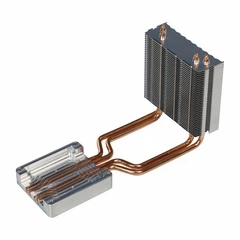
Car controller heatsinks are designed to absorb and dissipate the heat generated by these controllers, maintaining their temperature within a safe operating range. They are typically made of materials with high thermal conductivity, such as aluminum or copper, and are engineered to maximize surface area for efficient heat transfer.
Regulatory Bodies and Standards
Several regulatory bodies and standards govern the design, manufacturing, and testing of car controller heatsinks. These regulations ensure that the heatsinks meet specific requirements for performance, safety, and environmental impact. Some of the key regulatory bodies and standards include:
International Organization for Standardization (ISO)
The ISO develops and publishes international standards for various industries, including automotive. ISO standards related to car controller heatsinks focus on aspects such as thermal performance, mechanical strength, and environmental durability. For example, ISO 16750-4 specifies the environmental conditions and test methods for electrical and electronic equipment in road vehicles, including heatsinks.
Society of Automotive Engineers (SAE)
The SAE is a professional organization that develops standards for the automotive industry. SAE standards related to car controller heatsinks cover areas such as thermal management, material properties, and testing procedures. For instance, SAE J1349 provides guidelines for determining the power and torque ratings of automotive engines, which can impact the heat generation and cooling requirements of car controllers.
European Union (EU)
The EU has implemented several regulations and directives related to automotive safety and environmental protection. These regulations may indirectly affect car controller heatsinks by setting requirements for the overall performance and reliability of automotive systems. For example, the EU's General Safety Regulation (GSR) mandates certain safety features and performance requirements for new vehicles, which may influence the design and functionality of car controllers and their associated heatsinks.
United States Environmental Protection Agency (EPA)
The EPA regulates the environmental impact of automotive products, including emissions and fuel efficiency. While the EPA does not directly regulate car controller heatsinks, its regulations can indirectly affect their design and manufacturing. For example, stricter emissions standards may require more advanced engine control systems, which in turn may generate more heat and require more efficient heatsinks.
Specific Regulations and Requirements
In addition to the general regulatory bodies and standards, there are specific regulations and requirements that apply to car controller heatsinks. These may include:
Thermal Performance
Car controller heatsinks must meet specific thermal performance requirements to ensure effective heat dissipation. This may involve specifying the maximum temperature rise, thermal resistance, or heat transfer coefficient of the heatsink under certain operating conditions. For example, a heatsink may be required to maintain the temperature of a car controller within a certain range (e.g., 85°C) under normal operating conditions and a higher range (e.g., 105°C) under extreme conditions.
Mechanical Strength and Durability
Heatsinks must be able to withstand the mechanical stresses and vibrations encountered in automotive applications. They must be designed and manufactured to have sufficient strength and durability to prevent damage or failure during normal use. This may involve specifying the material properties, such as tensile strength and hardness, as well as the design features, such as ribbing or mounting holes, to ensure proper installation and support.
Environmental Resistance
Car controller heatsinks are exposed to various environmental conditions, including temperature extremes, humidity, dust, and chemicals. They must be able to resist corrosion, oxidation, and other forms of environmental degradation to maintain their performance and reliability over time. This may involve using materials with good corrosion resistance, such as aluminum alloys, and applying protective coatings or finishes to the heatsink surface.
Electrical Insulation
In some cases, car controller heatsinks may need to provide electrical insulation to prevent electrical interference or short circuits. This is particularly important in applications where the heatsink is in close proximity to electrical components or wiring. Heatsinks may be designed with insulating materials or coatings to ensure proper electrical isolation.
Compliance and Certification
To ensure compliance with the relevant regulations and standards, car controller heatsink manufacturers must undergo testing and certification processes. These processes involve subjecting the heatsinks to various tests and inspections to verify their performance, safety, and environmental compliance.
Testing
Testing of car controller heatsinks typically includes thermal performance testing, mechanical testing, and environmental testing. Thermal performance testing measures the heatsink's ability to dissipate heat under different operating conditions, while mechanical testing evaluates its strength and durability. Environmental testing exposes the heatsink to various environmental conditions, such as temperature cycling, humidity, and salt spray, to assess its resistance to corrosion and other forms of degradation.
Certification
Once a heatsink has passed the required tests, it can be certified as compliant with the relevant regulations and standards. Certification is typically issued by independent testing laboratories or certification bodies, such as Underwriters Laboratories (UL) or the German Institute for Standardization (DIN). Certification provides assurance to customers that the heatsink meets the specified requirements and can be used safely and effectively in automotive applications.
Implications for Suppliers and Manufacturers
The regulations and standards related to car controller heatsinks have several implications for suppliers and manufacturers. These include:
Design and Development
Suppliers and manufacturers must ensure that their heatsink designs comply with the relevant regulations and standards. This may require investing in research and development to develop new materials, designs, and manufacturing processes that meet the specific requirements. For example, a supplier may need to develop a new heatsink design with improved thermal performance or environmental resistance to meet the latest regulatory requirements.
Quality Control
To ensure compliance with the regulations and standards, suppliers and manufacturers must implement strict quality control measures throughout the manufacturing process. This may involve using advanced manufacturing techniques, such as precision machining and surface finishing, to ensure the accuracy and consistency of the heatsink dimensions and properties. It may also involve conducting regular inspections and tests to detect and correct any defects or non-conformities.
Cost and Pricing
Complying with the regulations and standards can increase the cost of manufacturing car controller heatsinks. This is due to the additional research and development, testing, and certification requirements. Suppliers and manufacturers may need to factor these costs into their pricing strategies to remain competitive in the market. However, they can also use compliance as a selling point to differentiate their products and attract customers who value quality and safety.
Market Access
Compliance with the relevant regulations and standards is often a prerequisite for accessing certain markets. For example, in the EU, automotive products must comply with the EU's regulations and directives to be sold within the member states. Suppliers and manufacturers who do not meet these requirements may face barriers to entry or may be required to modify their products to achieve compliance.
Our Products and Compliance
As a supplier of car controller heatsinks, we are committed to meeting the highest standards of quality and compliance. Our heatsinks are designed and manufactured in accordance with the relevant regulations and standards, including ISO and SAE standards. We use advanced materials and manufacturing processes to ensure optimal thermal performance, mechanical strength, and environmental durability.
Our product range includes a variety of car controller heatsinks, such as Automobile Car Drainage Raditor, Lightweight Automotive Controller Water Cooling Plate, and Automotive Controller Water Cooling Plate. These heatsinks are engineered to provide efficient heat dissipation for a wide range of car controllers, ensuring their reliable operation in various automotive applications.
We also offer custom design and manufacturing services to meet the specific requirements of our customers. Our experienced engineering team can work closely with you to develop heatsinks that are tailored to your unique needs, taking into account factors such as heat generation, space constraints, and environmental conditions.
Contact Us for Procurement and洽谈
If you are interested in purchasing car controller heatsinks or have any questions about our products and services, please feel free to contact us. We are always happy to discuss your requirements and provide you with a customized solution. Our team of experts will be available to assist you throughout the procurement process, from product selection to installation and after-sales support.
References
- International Organization for Standardization (ISO). (2018). ISO 16750-4:2010 - Road vehicles - Environmental conditions and test for electrical and electronic equipment - Part 4: Climatic loads.
- Society of Automotive Engineers (SAE). (2016). SAE J1349 - Engine Power Test Code - Spark Ignition and Compression Ignition (Land Applications).
- European Union. (2019). Regulation (EU) 2019/2144 of the European Parliament and of the Council of 27 November 2019 on general safety requirements for motor vehicles and their trailers, and on the approval and market surveillance of motor vehicles, their trailers, systems, components and separate technical units intended for such vehicles (General Safety Regulation).
- United States Environmental Protection Agency (EPA). (2021). Light - Duty Vehicle Greenhouse Gas Emissions Standards.