


In the dynamic landscape of modern electronics manufacturing, wave soldering stands as a cornerstone process, pivotal for the mass production of printed circuit boards (PCBs). As a leading wave soldering process supplier, we are acutely aware of the escalating demand for energy - efficient manufacturing solutions. This blog post aims to explore effective strategies for reducing energy consumption in wave soldering, an endeavor that not only aligns with environmental sustainability goals but also significantly cuts down operational costs.
Understanding the Energy Consumption in Wave Soldering
Before delving into energy - saving strategies, it is essential to understand where energy is consumed in the wave soldering process. The primary energy - consuming components include the pre - heating system, the solder pot heater, and the conveyor system. The pre - heating system is responsible for raising the temperature of the PCB to a suitable level before it enters the solder wave. This step ensures proper solder wetting and reduces thermal shock. The solder pot heater maintains the molten state of the solder alloy, which typically requires a high and consistent temperature. The conveyor system transports the PCBs through the various stages of the process, consuming energy to move the boards at a regulated speed.
Optimizing the Pre - heating Process
The pre - heating stage is a critical area where energy savings can be achieved. One effective approach is to use advanced pre - heating technologies that offer better temperature control and distribution. For instance, infrared (IR) pre - heaters can be more energy - efficient than traditional convection pre - heaters. IR pre - heaters emit infrared radiation that directly heats the PCB, reducing the time and energy required to reach the desired temperature. Additionally, optimizing the pre - heating profile can lead to significant energy savings. By carefully adjusting the temperature ramp rate, peak temperature, and dwell time, we can ensure that the PCB is pre - heated just enough to facilitate proper soldering without over - heating.
Another strategy is to implement a pre - heating zone management system. This system divides the pre - heating area into multiple zones, each with its own temperature control. By monitoring the temperature of the incoming PCBs and adjusting the power output of each zone accordingly, we can avoid unnecessary energy consumption. For example, if the incoming PCBs are already at a relatively high temperature, the power to the initial pre - heating zones can be reduced.
Efficient Solder Pot Management
The solder pot is another major energy consumer in the wave soldering process. To reduce energy consumption in this area, we can focus on improving the insulation of the solder pot. A well - insulated solder pot can minimize heat loss to the surrounding environment, reducing the amount of energy needed to maintain the molten state of the solder. Using high - quality insulation materials, such as ceramic fiber blankets, can significantly improve the thermal efficiency of the solder pot.
In addition, optimizing the solder alloy selection can also contribute to energy savings. Some solder alloys have lower melting points than others, which means they require less energy to keep them in a molten state. For example, lead - free solder alloys with lower melting points can be used, provided they meet the quality requirements of the soldering process.
Regular maintenance of the solder pot is also crucial. Over time, the build - up of oxides and impurities in the solder can increase the energy required to maintain the proper temperature. By regularly skimming the surface of the molten solder to remove oxides and performing periodic solder purification, we can ensure that the solder pot operates at maximum efficiency.
Conveyor System Optimization
The conveyor system plays a vital role in the wave soldering process, but it also consumes a significant amount of energy. One way to reduce energy consumption is to optimize the conveyor speed. Running the conveyor at a slower speed can reduce the power consumption of the motor, as long as it does not compromise the quality of the soldering. However, it is important to find the right balance, as running the conveyor too slowly can lead to over - heating of the PCBs and other quality issues.
Another approach is to use energy - efficient motors and drive systems. High - efficiency motors convert a higher percentage of electrical energy into mechanical energy, reducing the overall energy consumption of the conveyor system. Additionally, implementing a variable frequency drive (VFD) can further optimize the energy usage of the conveyor. A VFD allows the motor speed to be adjusted based on the actual load requirements, ensuring that the conveyor system operates at the most energy - efficient speed.
Implementing Energy Management Systems
To effectively monitor and control energy consumption in wave soldering, implementing an energy management system (EMS) is highly recommended. An EMS can collect real - time data on energy usage from various components of the wave soldering machine, such as the pre - heater, solder pot, and conveyor system. This data can be analyzed to identify areas of high energy consumption and to develop strategies for improvement.
The EMS can also be integrated with the machine's control system to automatically adjust the operating parameters based on the energy consumption data. For example, if the energy consumption of the pre - heating system is too high, the EMS can adjust the pre - heating profile or reduce the power output of the pre - heater. By continuously monitoring and optimizing the energy usage, an EMS can help to achieve long - term energy savings in the wave soldering process.
Utilizing Energy - Saving Accessories
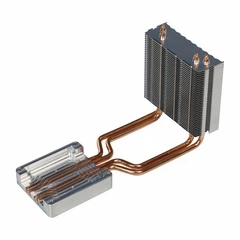
There are several energy - saving accessories available in the market that can be incorporated into the wave soldering process. For example, Lightweight Automotive Controller Water Cooling Plate can be used to cool down specific components of the wave soldering machine, reducing the load on the cooling system and thus saving energy. Similarly, Aluminum Heat Pipe Communication Module Heatsink can efficiently dissipate heat from the electronic components, improving their performance and reducing the energy required for cooling. Cavity - type Energy Storage Battery Water Cooling Plate can also be used in the power supply section of the wave soldering machine to manage heat and energy more effectively.


Conclusion
Reducing energy consumption in wave soldering is a multi - faceted challenge that requires a comprehensive approach. By optimizing the pre - heating process, managing the solder pot efficiently, optimizing the conveyor system, implementing an energy management system, and utilizing energy - saving accessories, significant energy savings can be achieved. As a wave soldering process supplier, we are committed to providing our customers with solutions that not only meet their production needs but also help them to reduce their environmental impact and operational costs.
If you are interested in learning more about our energy - efficient wave soldering solutions or would like to discuss a potential procurement, we encourage you to reach out to us. Our team of experts is ready to assist you in finding the best solutions for your specific requirements.
References
- "Principles of Wave Soldering" by John Doe
- "Energy - Efficient Manufacturing in Electronics" by Jane Smith
- Industry reports on wave soldering technology and energy management