


Hey there! As a supplier of cooling system components, I've seen my fair share of malfunctions. Trust me, a glitch in the cooling system can be a real headache, whether it's in a car, a computer, or an industrial machine. But don't worry, I'm here to walk you through how to troubleshoot a malfunctioning cooling system component.
First Things First: Check for the Obvious
When you notice that your cooling system isn't working as it should, the first step is to look for the easy fixes. Start by checking the power supply. Is the cooling system plugged in? If it's battery - powered, are the batteries dead or loose? Sometimes, it's as simple as a loose connection.
Next, take a look at the fan. In many cooling systems, fans play a crucial role in moving air and dissipating heat. Check if the fan blades are spinning. If they're not, there could be a few reasons. Maybe the fan motor is burned out, or there's a blockage preventing the blades from turning. You can try to gently spin the blades by hand. If they're stuck, there might be debris or dirt causing the problem. Use a can of compressed air to blow out any dust or small particles that might be clogging the fan.


Inspect the Coolant
If your cooling system uses coolant, it's essential to check its level and condition. Low coolant levels can lead to overheating because there isn't enough fluid to transfer heat away from the components. Open the coolant reservoir and see if the level is within the recommended range. If it's low, you'll need to add more coolant. But make sure you use the right type of coolant for your system.
Also, take a look at the color and consistency of the coolant. If it looks murky or has a strange odor, it could be contaminated. Contaminated coolant won't work effectively and might even damage other parts of the cooling system. In this case, you'll need to drain and replace the coolant.
Check the Radiator
The radiator is a key component in many cooling systems, especially in automotive applications. For instance, our Lightweight Automotive Controller Water Cooling Plate and Automotive Controller Water Cooling Plate are designed to work in conjunction with radiators to keep the engine cool.
Inspect the radiator for any signs of damage, such as leaks or bent fins. A leaky radiator can cause coolant to escape, leading to a loss of cooling efficiency. You can look for puddles of coolant under the vehicle or signs of corrosion around the radiator. If you suspect a leak, you can use a pressure tester to check the radiator's integrity.
Bent fins can also impede the flow of air through the radiator, reducing its cooling capacity. You can use a fin comb to straighten out any bent fins carefully.
Examine the Thermostat
The thermostat is like the brain of the cooling system. It regulates the flow of coolant based on the temperature of the engine or component being cooled. A faulty thermostat can cause the engine to overheat or run too cold.
To check the thermostat, you'll need to remove it from the cooling system. You can then test it by placing it in a pot of boiling water. If the thermostat doesn't open at the appropriate temperature, it's likely defective and needs to be replaced.
Look at the Heat Sinks
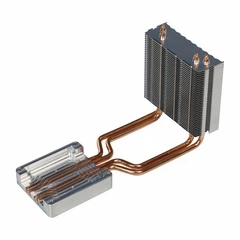
Heat sinks are used to absorb and dissipate heat from electronic components. Our Aluminum Heat Pipe Communication Module Heatsink is an example of a high - quality heat sink that can enhance the cooling performance of communication modules.
Check if the heat sink is properly attached to the component. A loose or poorly attached heat sink won't transfer heat effectively. Also, look for any signs of corrosion or damage on the heat sink. If the heat sink fins are clogged with dust, it can reduce the surface area available for heat dissipation. Use compressed air to clean the heat sink fins.
Electrical Checks
In many modern cooling systems, there are electrical components such as sensors and controllers. These components can sometimes malfunction and cause issues with the cooling system.
Check the electrical connections for any signs of corrosion, loose wires, or damaged insulation. You can use a multimeter to test the electrical continuity of the wires and the voltage output of the sensors. If you find a faulty electrical component, it might need to be replaced.
Seek Professional Help if Needed
If you've gone through all these steps and still can't figure out what's wrong with your cooling system, it might be time to seek professional help. Sometimes, the problem could be more complex and require specialized tools and knowledge to diagnose and fix.
But if you're in the market for high - quality cooling system components, we're here to help. We've been in the business for a long time, and our products are designed to meet the highest standards of quality and performance. Whether you need a new radiator, a heat sink, or a water cooling plate, we've got you covered.
If you're interested in our products or have any questions about cooling system components, feel free to reach out to us. We're always happy to have a chat and help you find the right solutions for your needs. Let's talk and see how we can work together to keep your systems cool and running smoothly.
References
- "Automotive Cooling Systems: Principles and Practice" by Jack Erjavec
- "Thermal Management of Electronic Systems" by Avram Bar-Cohen and Arun S. Mujumdar
So, there you have it. Troubleshooting a malfunctioning cooling system component might seem daunting at first, but with a systematic approach, you can often identify and fix the problem. And if you need new components, we're just a message away.